

























































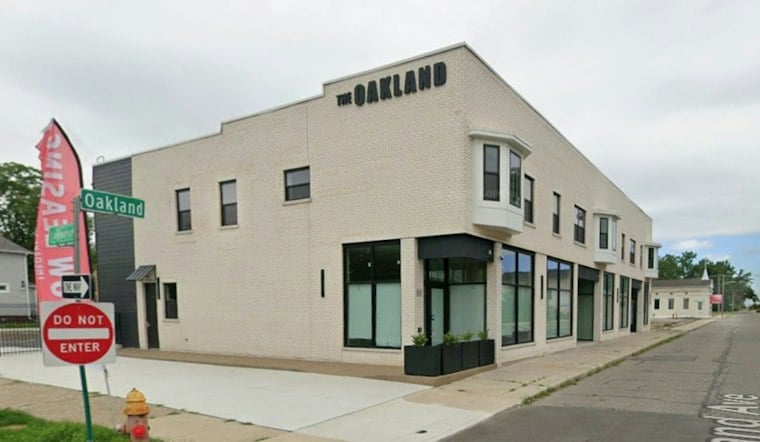
Detroit is looking for a developer to build on four vacant, publicly owned lots along Oakland Avenue in the North End, an area the city has been positioning as a hub for business and cultural revitalization. The sites sit between Bethune and Custer streets near East Grand Boulevard, and the property is listed with an asking price of $65,000. Any housing built on the site is expected to include affordable units, and whoever is selected would need to start construction within 180 days of closing on the property.
Four Parcels, One North End Push
As reported by Axios, the four sites are 658 E. Bethune, 662 E. Bethune, 670 E. Bethune and 7503 Oakland Ave., and Detroit's Housing and Revitalization Department wants the eventual construction there to improve the corridor's walkability and vibrancy. The city has gathered resident feedback through neighborhood-based planning as part of that broader push, according to the same report. Oakland Avenue today is a mix of empty buildings and vacant land alongside businesses, apartments, churches, homes and public art, the outlet notes.
The city's approach to vacant property sales elsewhere lends some context to how a deal like this typically works. For higher-profile properties tied to neighborhood planning efforts, Detroit issues Requests for Qualifications or Requests for Proposals to identify developers, according to the city's guidance on buying publicly owned property. In a separate announcement about expanding housing development, the city said its Housing & Revitalization Department has financed preliminary environmental assessments on parcels to reduce predevelopment costs for developers, according to a statement from the City of Detroit.
A Corridor Built on Music History
The push to redevelop Oakland Avenue leans heavily on the street's past as an entertainment destination. Per Axios, the corridor had popular music venues, bars and shops that drew Black patrons and performers from the 1940s through the 1980s, and the city has described those venues as a hub for Black musical innovation and the heart of Detroit's blues and jazz scene.
That history centers on the Phelps Cocktail Lounge, a 450-seat club that was, from 1960 to the early 1980s, a music magnet drawing major R&B, blues and soul acts, according to the Michigan Chronicle. Performers who played the club included Gladys Knight & The Pips, James Brown and The Temptations, the paper reports. In that same era, Oakland Avenue was a vibrant, bustling thoroughfare lined with other entertainment venues, stores and businesses, per the Michigan Chronicle's account. The music stopped when Phelps closed in the early 1980s, and the building has sat vacant for more than 40 years, the outlet notes.
Displacement and a New Era
The North End is home to generations displaced from Black Bottom after that neighborhood's destruction in the name of urban renewal, Axios reports. In recent years the area has seen significant new construction, urban farms and investment from community-led nonprofits, according to the outlet. Jerry Ann Hebron told the Michigan Chronicle that the North End is at the dawn of a new, important era.
That investment includes projects beyond the four lots up for proposals. A vacant and blighted hundred-year-old building at 9301 Oakland Avenue was slated for redevelopment into 10 residential units and 5,200 square feet of commercial space, according to a press release from Gov. Gretchen Whitmer's office. Nearby, Detroit Food LOOP purchased a 9,000-square-foot former grocery store at Oakland Avenue Urban Farm for $325,000 using a $350,000 grant and a commercial loan, with plans for a solar-powered center that would include a commercial kitchen, food storage, community event space and agriculture-related business training, BridgeDetroit reported. The group is seeking an additional $8 million to $10 million in support to get the center built, per the same outlet.





