

























































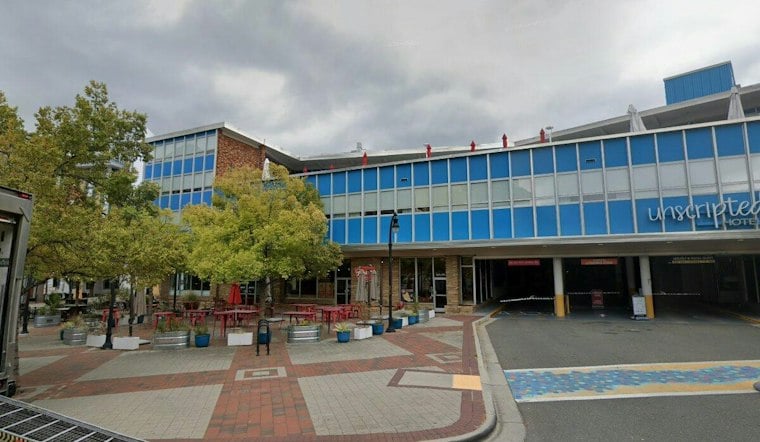
Pour Taproom in downtown Durham will pour its final pint on Halloween, closing the doors on a self-serve beer bar that introduced the city to 64 taps of beer, wine and cider nearly a decade ago. The closure, confirmed for Oct. 31, ends a nine-year run for a concept that once felt novel and now joins a lengthening list of Triangle craft-beer casualties.
Pour announced its closing in a social media post, according to the Raleigh News & Observer, telling fans and beer lovers to swing by for one last weekend and help finish off the remaining kegs. The bar said Saturday would be its final day welcoming customers, closing out a stretch that began in 2017 when Pour introduced self-serve beer taps to Durham for the first time. Customers could sample from a wall of 64 beer, wine and cider taps, paying by the ounce through a running tab linked to a digital wristband.
Andrew Shaver, a co-owner of Pour Durham, said the self-serve model let customers sample several craft beers without committing to a full pour, and that the bar was never meant to replace the traditional bar experience. It quickly became something bigger than that anyway, turning into a bustling bar in downtown Durham that drew mostly early-20s guests, graduate students and young professionals who liked craft beer.
A Brand's Last North Carolina Outpost
The Durham location was the last Pour Taproom standing in North Carolina. The original concept opened in Asheville before expanding to Durham, Charlotte, Wilmington and locations beyond the state, and the Durham bar was owned by Shaver along with Daniel Enarson and Coy Isaacs. Shaver said a new business is expected to take over the space, which helped motivate the timing of this closure.
Shaver told the outlet that Pour's revenue had been steadily slipping since late 2021, a decline he tied to broader shifts in drinking habits. He pointed to less alcohol consumption overall and waning enthusiasm for craft beer, saying the industry's earlier boom was never going to be sustainable. The early-20s crowd that used to fill the taproom, he said, largely evaporated once pandemic reopening settled into a new normal.
A Rough Stretch Across the Triangle
Pour's exit lands amid a wave of closures among Durham-area breweries and taprooms. Multiple breweries and popular beer bars in the Triangle have closed over the past couple of years, and 2026 alone saw Bull City Solera and Taproom shutter in January, Flying Bull's Ninth Street Taproom close in February, and Proximity Brewing wind down its taproom in April, according to Indy Week. Indy Week reported in July that Durty Bull Brewing had announced plans to close in September.
Proximity Brewing's Driver Street taproom, which had opened in December 2023, shut down less than three years later, with the brewery citing ongoing challenges and the realities of high operating costs. The brewery ceased operations in April, with the company calling the move “a reset, not an ending.” Flying Bull, meanwhile, kept its Morris Street brewing and restaurant space but left Ninth Street after its landlord sought a 6% rent increase. Flying Bull co-owner told Indy Week that rent was $6,000 a month for 1,000 square feet.
The Numbers Behind the Squeeze
North Carolina beer sales fell by nearly 10% overall between 2021 and 2025, while more breweries began closing than opening in the state in 2024, according to Axios. Operating costs have climbed significantly since 2020, squeezing the margins of small breweries across the board, according to Axios.
Indy Week also pointed to rising grain prices as a factor squeezing brewery budgets, noting that Flying Bull co-owner Joel Miles said grain that cost about 62 cents per pound a few years ago now runs over $1 a pound in 2026. High tariffs, particularly on metal used for packaging, have added further strain, and operators told the outlet that regulars who used to order three beers are increasingly ordering just one. A decreased interest in alcohol generally, paired with growing demand for THC drinks, is also eating into traditional beer culture, the report found.
Nationally, the Brewers Association's own numbers tell a similarly uneven story. The trade group reported that total U.S. craft production fell 4% in 2025 to 22,034,000 barrels, while the number of operating craft breweries dropped 2.9% from the prior year to 9,578, according to the Brewers Association. A separate estimate from American Craft Beer put the production decline at 5.1%, to 21.9 million barrels, underscoring that even industry trackers don't fully agree on the scale of the slide. New brewery openings nationwide dropped sharply to 300 in 2025 from 518 the year before, though closures also eased somewhat, falling to 481 from 591.
Not every corner of the business is struggling equally. The Brewers Association noted that hospitality-driven models such as brewpubs and taprooms remained comparatively resilient even as broader production and sales figures softened. Industry voices quoted by Indy Week said breweries that want to survive the current stretch will likely need to diversify, offering nonbeer options like wines, mocktails, nonalcoholic beers, seltzers and even THC drinks, serving food, and building a brand distinct enough to hold onto customers who have more choices than ever.
For now, Durham drinkers have through Saturday to make one more stop at the taps that first let them build their own flight nine years ago, before the wristbands come off for good and the space moves on to whatever comes next.





