

























































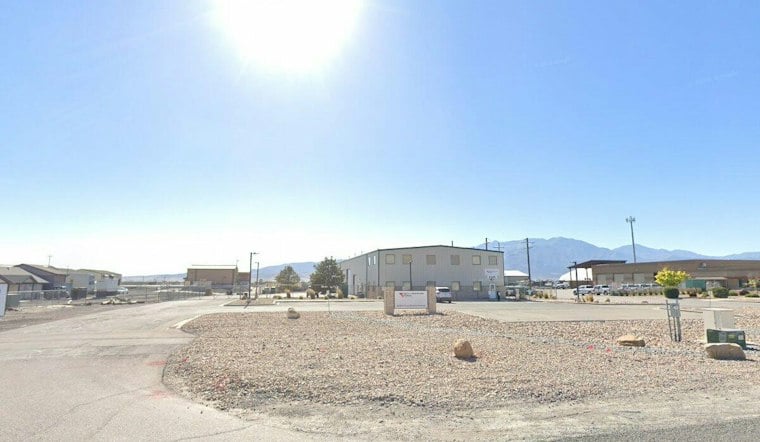
Eagle Mountain has broken ground on a wastewater treatment plant expansion expected to cost about $120 million in 2025 dollars, adding 6 million gallons per day of membrane-bioreactor capacity to a system that has already hit its processing limits. The city announced the groundbreaking on Oct. 23, and construction is expected to take three to four years, with the new capacity scheduled to come online in 2029.
The project comes as the existing wastewater plant has reached a treatment-process loading limit of about 1.5 million gallons per day, according to Engineering News-Record. The plant currently has a hydraulic capacity of 2.4 million gallons per day, but that figure doesn't tell the whole story since the loading limit, not the hydraulic ceiling, is what's forcing the city's hand. The new membrane bioreactor treatment train set to be built will add 6 million gallons per day of capacity once finished.
A City Growing Faster Than Its Pipes
Eagle Mountain's population was estimated at 66,557 in July 2025, up from 43,623 in 2020, per the same outlet's reporting. That growth has been dramatic enough to draw national attention: the city gained more than 5,000 residents between July 2024 and July 2025, making it Utah's fastest-growing city during that stretch, according to KSL.com. That 8.5% growth rate ranked ninth nationally among U.S. cities with at least 20,000 residents, the station reported, with nearby Saratoga Springs picking up more than 4,200 residents to rank second in Utah for growth over the same period.
A city government page about the expansion put the population figure differently, stating that Eagle Mountain has passed 80,000 residents and is now the ninth-fastest-growing city in the nation — a claim that sits alongside, but is not reconciled with, the lower July 2025 estimate cited by the project's engineering trade coverage. The wastewater master plan behind the expansion projects the city's population will reach 175,000 by 2060, a trajectory that underpins the urgency behind the current build.
What's Actually Getting Built
The expansion includes a headworks building with coarse and fine screening and grit removal, along with biological nutrient-removal basins and a membrane treatment building, the trade outlet reported. Sludge storage tanks, dewatering equipment, and new electrical, administration and support buildings round out the scope. AE2S Engineering is designing the project, while Eagle Mountain is managing construction through a construction manager/general contractor approach split into six guaranteed-maximum-price or work-authorization packages.
The first work package covered membrane filtration equipment, and the second — addressing the existing oxidation ditch, pumps, piping, SCADA equipment and early site work — was awarded to MGC Contractors Inc. for about $4 million, with excavation work within that package valued at roughly $1 million. A Utah public notice separately identifies that package as GMP-2, the oxidation ditch and miscellaneous site improvements package. Later work packages will cover earthwork and construction of the main membrane treatment facilities.
Interim Fixes While the Big Build Happens
Because the full expansion won't be finished for years, the city is also making interim improvements to squeeze more capacity out of what already exists. Those upgrades include new pumps, piping and SCADA equipment for the existing oxidation ditch, modifications expected to provide about 2 million gallons per day of treatment capacity in the meantime. Russell Sprague told the city council the interim improvements are intended to maximize capacity from the existing facility before the additional capacity comes online.
Electrical supply is shaping up as its own bottleneck. Transformers and switchgear could take up to two years to obtain, the trade publication reported, which is why the wastewater master plan recommends nailing down power requirements and starting procurement of additional electrical supply early in the design process.
A Cost Figure Still in Question
While the $120 million estimate — described in the master plan as covering labor, materials, engineering, contingency and additional electrical capacity — is the figure tied to this groundbreaking, a separate planning document tells a different story about cost and scope. A September report on a 60%-design update said the estimate had risen from about $193 million to $259 million and that planned capacity had grown from 2.4 million to 8 million gallons per day, according to Citizen Portal. It's not clear from available information whether that planning-stage estimate covers the same project scope, phase or dollar basis as the $120 million figure tied to the groundbreaking, and the two numbers have not been reconciled in the record.
Looking Beyond the Current Build
City officials have framed the project as serving goals beyond simply keeping up with growth. Jared Gray said at the groundbreaking that the project is about capacity, using water wisely and protecting culinary water supplies, per Engineering News-Record's account. Mack Straw said in a statement that the expansion addresses both immediate capacity needs and longer-term water resource goals, adding that the new membrane bioreactor plant will provide a foundation for more advanced water recycling in the future.
Treated effluent from the membrane-bioreactor system is planned for irrigation and other nonpotable uses, a direction that aligns with city statements elsewhere describing significant wastewater-treatment investments intended to support reuse at city parks and other public property, according to Eagle Mountain's own government site. Elsewhere in Utah, the Jordan Basin Water Reclamation Facility offers a sense of scale for where such systems can eventually grow — it currently treats 15 million gallons per day and was designed for an ultimate capacity of 30 million gallons per day, per Water Finance & Management.
For now, Eagle Mountain's focus is on getting through the next three to four years of construction without the existing plant buckling under demand. The interim oxidation-ditch work is meant to buy time, and the 2029 target for the new membrane bioreactor capacity marks the point when the city hopes its wastewater system finally catches up to its growth curve.





