

























































Maria Perez's east Bakersfield home now runs almost entirely on electricity, thanks to a free, full-home makeover that swapped out her gas appliances for an induction stove, electric dryer, electric water heater, a new heating and cooling system, solar panels and a home battery. Perez, who has asthma and lives on a fixed income, says she's thrilled with the upgrades, all of which came at no cost to her.
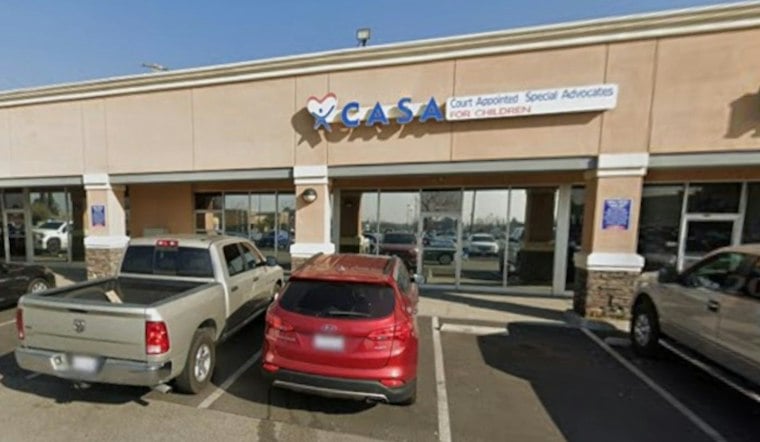
The project came through Kern CASA, which according to KBAK/KBFX made Perez's home the first fully retrofitted under the initiative. The outlet reports her house was also weatherized as part of the work. Brianda Castro, the project's manager, said the retrofit was designed specifically to cut the home's reliance on gas and improve the air inside it.
Why Perez Was a Natural Fit
Castro said Perez's existing connection to the Central California Asthma Collaborative, through which she had already received asthma-related services, helped make her a strong candidate for the program, per the same KBAK/KBFX report. Castro explained that eliminating gas use in a home removes pollutants and improves indoor air quality. She also noted that the cost of home upgrades is often a major hurdle for families, especially lower-income households, since new appliances and larger renovations can simply be out of reach.
Perez told the station that managing asthma on a fixed income has meant constantly weighing household bills against her own health needs — a tension the free retrofit was meant to ease. A Tesla home battery came bundled with the conversion, according to Bakersfield.com, which reported that Perez is already pleased with her new, no-cost electric appliances.
Who's Behind Kern CASA
Kern CASA is led by the Fresno-based Central California Asthma Collaborative, with homeowner outreach handled by the Central California Environmental Justice Network, also based in Fresno, and job training managed by Visalia-based Proteus Inc., Bakersfield.com reports. The project is funded through roughly $844,000 in California Jobs First grant money awarded through the Kern Coalition, according to a Yahoo News report. That funding included a workforce development component, and eligible households can receive a heat pump, electric water heater, induction stove, solar panels and a home battery, or some combination of those, entirely free of charge, per Bakersfield.com's earlier coverage.
About 20 Kern County residents have already been trained in trades like plumbing and electrical work since the program launched in February, the Yahoo report notes, and some of those trained residents have worked on homes included in the project. Separately, an eight-week workforce training program had begun in Visalia, with graduates invited to apply for five paid positions supporting home decarbonization work, according to Bakersfield.com.
More Homes, Full and Partial Conversions
Kern CASA is expected to convert up to 20 homes across Kern County to all-electric appliances, and plans call for similar work at 18 other Central Valley homes, per the Yahoo News account. Four homes, including Perez's, are slated for full conversions valued at about $35,000 apiece, while most of the remaining homes will receive partial upgrades instead. Applications for this round of Kern CASA funding are closed, though Castro's team continues to connect families with other programs that may help them qualify for similar home improvements.
What the Research Says About Indoor Air
The push to electrify homes isn't happening in a vacuum. A 2026 study of 138 homes across four low-income rural communities in California's San Joaquin Valley, published by iopscience.iop.org, found that median 48-hour indoor nitrogen dioxide concentrations were 63% lower in homes with electric stoves than in homes with gas stoves. None of the electric-stove homes in that study exceeded California's annual indoor nitrogen dioxide guideline of 30 parts per billion, compared with 17% of homes using gas. The researchers concluded that electric cooking technologies can help address air-quality-related health risks in rural, low-income communities.
That finding echoes earlier work: a Boston public-housing study cited in the same research found residents in units with electric stoves had 57% lower indoor fine particulate matter and 65% lower nitrogen dioxide levels than residents in conventional units, while a New York City public-housing pilot documented a 56% reduction in weeklong average indoor nitrogen dioxide after gas stoves were swapped for induction models. A UCLA Center for Occupational and Environmental Health report had similarly found that replacing gas appliances with electric ones would eliminate indoor air pollution tied to burning gas indoors.
Beyond Kern CASA, Kern County's broader Catalyst Projects portfolio, which includes 16 separate initiatives funded through the California Jobs First Initiative, is investing nearly $9 million in economic equity and innovation efforts, according to the Kern Coalition. One of those, the Lamont EV Workforce & Repair Center, is set to train and certify four to six local technicians in electric-vehicle systems. Households elsewhere in California may also qualify for no-cost electric appliance installations and efficiency upgrades through the Equitable Building Decarbonization Statewide Direct Install Program, Bakersfield.com reports, while the California Public Utilities Commission offers separate programs giving income-qualified residential customers financial assistance for solar panels, battery storage and energy-efficiency work.





