

























































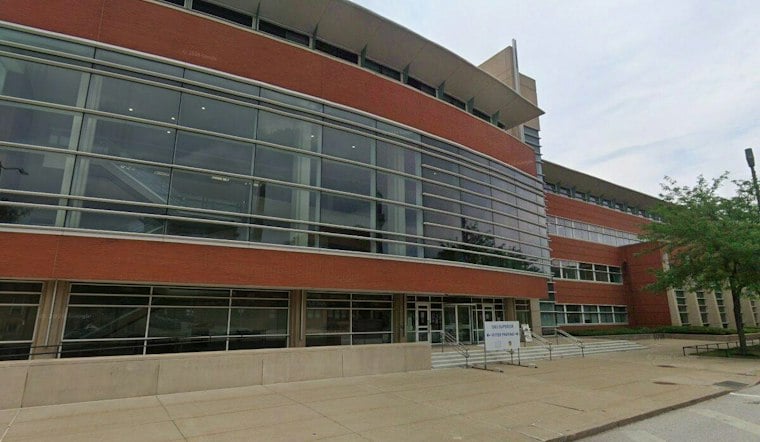
East Cleveland voters will head to the polls on Nov. 3 to decide whether to raise the city’s municipal income tax rate from 2% to 2.5%, a half-percentage-point increase that would take effect Jan. 1, 2027, if approved. The measure, known as Issue 39, would mark the city’s first income tax increase in more than four decades.
The city currently collects a 2% income tax rate, according to East Cleveland’s Finance Department. If voters approve Issue 39, the rate would rise to 2.5% effective at the start of 2027, as reported by Cleveland.com. The ballot measure lists general municipal operations, maintenance, new equipment, capital improvements, and expanded city services and facilities as the intended uses of the additional revenue, per the same report.
City leaders have said the proposed increase would support general operations and municipal services, while city officials have said it would bring East Cleveland’s rate more in line with neighboring communities. Cleveland levies a 2.5% income tax rate, while Cleveland Heights’ rate is 2.25%; Richmond Heights also sits at 2.25%, and Euclid’s rate stands at 2.85%.
A City Still Climbing Out of Fiscal Emergency
East Cleveland’s financial struggles are not new. The state auditor placed the city in fiscal emergency in 2012, the same year its general fund balance fell below zero, according to a report from Ideastream. That year, the city also lost around $1 million in revenue after the state cut aid to local governments, the outlet reported.
The city’s population had fallen to about half its 1980 level by 2015, and its poverty rate reached 43 percent that year — higher than at any other point in the preceding half century, per the same Ideastream analysis. Adjusted for inflation, the city’s general fund was collecting roughly half as much from income taxes in 2015 as it had in 2000, the report found.
Collections Have Kept Falling in the Years Since
East Cleveland currently provides no credit for income taxes residents pay to other localities, and the Regional Income Tax Agency, or RITA, collects the tax on the city’s behalf, according to the city’s finance department. For a city that has leaned heavily on income tax revenue amid population loss, the ballot question represents a bid to stabilize a funding source that has been under pressure for years.
Cleveland Heights offers one point of comparison from elsewhere in the county. That city’s voters approved a 0.25 percentage-point increase to their own income tax rate in November 2015, raising it to 2.25% effective Jan. 1, 2016, according to Cleveland Heights’ city government. East Cleveland’s Issue 39 would follow a similar path roughly a decade later, asking residents to approve a larger but comparable rate increase of its own.





