

























































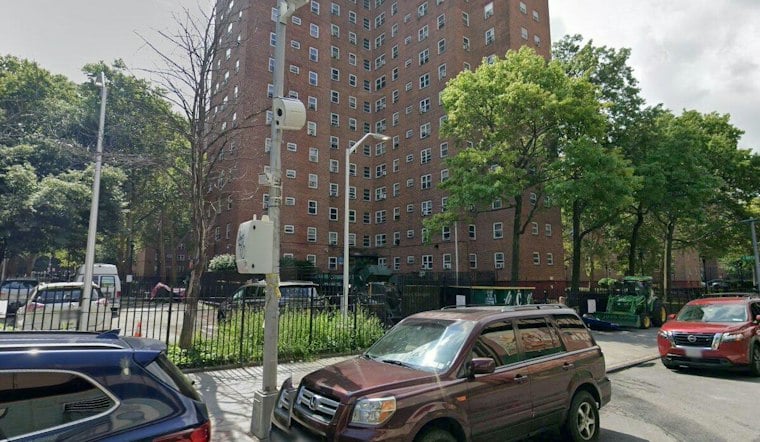
Noina Marrero has spent years stashing her belongings outside her closet at the Johnson Houses in East Harlem because water keeps seeping in and flooding it. Her ordeal is a window into a citywide problem: NYCHA now takes about 470 days on average to complete apartment repairs, according to city data cited in a new report.
Marrero has complained to NYCHA for years about flooding in her apartment, and the wait she described mirrors a broader slowdown documented by CBS News, which found that the average repair-completion time across NYCHA properties now stands at roughly 470 days. That figure has been climbing steadily — the average repair wait increased from 370 days in 2024, and a related analysis found waits of about 415 days as of February, up from roughly 370 days in May of the prior year.
NYCHA, which is New York City's biggest landlord, says it is now working to expedite plastering and painting in Marrero's apartment, and housing officials say the leak in her unit was fixed last month. Still, Marrero wants a transfer to another unit and says she feels neglected by NYCHA even as it continues to collect her rent.
A Legal Fight Over a Falling Ceiling
Marrero's frustration with NYCHA predates the current repair slowdown. In 2023, she sued the housing authority after she says a water-damaged piece of ceiling fell on her head, causing pain, headaches and back aches. NYCHA lawyers denied responsibility for her injuries in a court filing that year, and her case against the authority remains ongoing.
Staffing and Paint Backlogs Cited as Culprits
NYCHA Executive Vice President of Property Management Operations Dan Green has pointed to several factors behind the lengthening wait times, with staffing described elsewhere by the authority as the single biggest limiting factor in speeding up repairs. Green said paint work orders in particular are increasing repair delays, since NYCHA creates paint work orders for inspections required under its agreement with the U.S. Department of Housing and Urban Development. The authority has said it would reassign more than 100 painters to chip away at that backlog, and it is separately trying to reduce a related backlog in carpentry jobs.
NYCHA has also acknowledged that duplicate orders or system errors may be inflating its repair numbers, though officials have stopped short of saying that explains the entire problem. The authority gets about 168,000 repair requests every month and says it completes more than 156,000 of them. At a City Council hearing in March 2025, officials said 96% of work orders opened within a given year get closed, and that 75% of appointments or work orders are completed with the work actually performed.
City Officials Point to Broader Investments
Deputy Mayor of Housing and Planning Leila Bozorg said NYCHA is improving its responses to heat, elevator, waste and pest problems, and that specific quality-of-life issues deserve attention even as the authority faces immense challenges. Bozorg said the Mamdani administration has invested $10 million over two years specifically to fight mold and leaks in NYCHA homes. NYCHA's own service goals call for emergency repairs to be completed within 24 hours and non-emergency repairs within 15 days, according to NYCHA Metrics.
The authority raised annual apartment inspections to 100% in 2024, doubling inspections. A court-ordered Ombudsperson Call Center continues to monitor NYCHA's compliance with a federal consent decree aimed at fixing mold and leak problems across the system.
Forums Planned as Scrutiny Continues
NYCHA has held Your Neighborhood Forums this year to field housing complaints directly from residents, and the authority has scheduled two more, including one set for Brooklyn in November. The scale of the challenge facing NYCHA is immense by any measure: the authority has said it needs an estimated $78 billion in capital repairs over the next 20 years across its more than 2,500 buildings, according to a tracker from City Limits.
For residents like Marrero, that systemic backlog translates into years of living around a problem rather than seeing it resolved. Even with her leak now fixed and plastering and painting work underway, she says she still wants out of the apartment altogether — a reminder that a single repair, however overdue, doesn't always restore a tenant's trust in her landlord.





