

























































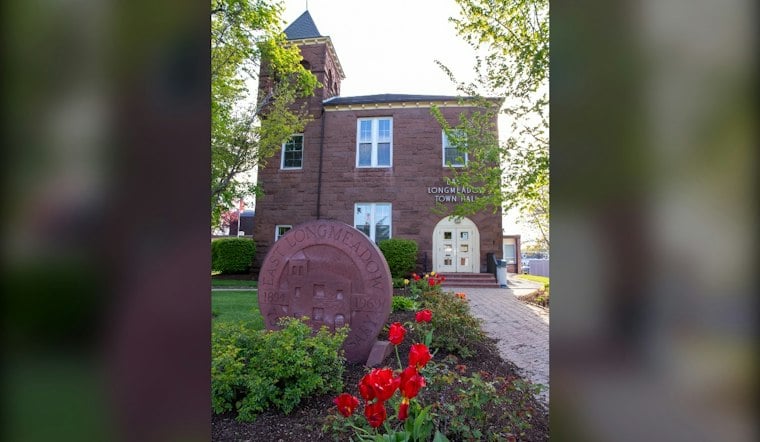
The East Longmeadow Town Council voted unanimously last Tuesday to send the planning board to work drafting zoning rules for large computing centers, joining a growing list of Western Massachusetts communities moving to rein in the data center industry before it arrives. The 6-0 vote doesn't ban anything yet — it simply directs town planners to study the issue and come back with recommendations. But the debate that preceded it revealed sharp disagreement among councilors over just how far those restrictions should go.
According to MassLive, councilors raised concerns that data centers could strain local water and electrical infrastructure, generate noise that bothers neighbors and wildlife, and introduce other unknown harms as a new type of industry in town. Town Manager Thomas D. Christensen noted that East Longmeadow's current zoning bylaws don't even mention data centers, meaning one could technically be built in an industrial zone under existing rules as written.
Councilors Split Over Ban Versus Regulation
Councilor Jonathan J. Torcia pushed for the strongest, strictest restrictions possible, arguing that data centers offer upside mainly to investors and a few select people, not to the broader community. He also warned that his colleagues would face public anger if they failed to regulate the industry and a facility ended up getting built anyway. Councilor Anna T. Jones said she believes most of her fellow councilors would prefer to prohibit data centers entirely but agreed the council needed to have the discussion first, per the same MassLive report.
Not everyone on the council agrees a hard ban is the right move. Councilor Connor J. O'Shea opposed prohibiting data centers outright, instead backing a ban only in residential neighborhoods. He argued the environmental and quality-of-life effects of data centers are no worse than other uses already permitted in industrial zones, calling broader concern about the facilities exaggerated, and pointed to a colocation data center in Marlborough that has drawn little notice from residents there.
Councilor James F. Leydon staked out a middle position, noting that some data centers use closed-loop water cooling systems that don't burden public water supplies. He supported moving forward with a zoning bylaw to regulate the facilities but opposed any moratorium or outright ban. Councilor Matthew J. Boucher raised a separate worry: a developer denied a permit under the current, vague zoning laws could build a data center out of spite. Councilor Ralph E. Page said any future bylaw should draw a clear line between large-scale data centers and smaller computing setups, like server racks inside existing businesses or factories.
No Current Policy Changes Yet
The council's vote changes no existing zoning policy in East Longmeadow. The planning board may now recommend a new bylaw or an amendment to existing rules, and if it does, the town council would hold a public hearing and take a vote at a future meeting, per MassLive's reporting. Town officials did not identify any pending data center proposal driving the discussion.
A Regional Pattern Across Western Massachusetts
East Longmeadow's move fits a broader pattern that has swept Western Massachusetts city councils over roughly the past year, as municipalities have voted to restrict or ban large data centers amid resident pushback. Holyoke enacted a permanent ban on new commercial data centers, while Westfield imposed a yearlong pause on new projects and Agawam adopted a nine-month moratorium, according to MassLive. The Holyoke and Westfield votes followed public comment sessions over specific proposals that raised environmental and infrastructure concerns, the outlet reported.
In Holyoke's case, a proposed 20-megawatt facility prompted opponents to warn it could overtax the city-owned electric utility, pollute the air, risk water contamination from diesel backup generators, and consume a swimming pool's worth of drinking water daily for cooling, per MassLive. The Holyoke City Council voted 9-4 in June to enact that permanent ban following the protests, with the proposed developer, Chestnut River Power Data Center, stating it would not contest the decision, according to WAMC Northeast Public Radio. That made Holyoke the first municipality in Western Massachusetts to pass an outright prohibition.
Westfield's reckoning came more recently: the city's planning board voted against extending a special permit for Servistar Realties LLC's proposed $4 billion, 10-building hyperscale campus, according to BusinessWest. That decision effectively halted what would have been New England's largest data center project — a 155-acre campus that would have drawn up to 274 megawatts of electricity — after the city had already enacted a one-year moratorium back in July.
Agawam took a different tack, formally enacting a 270-day temporary moratorium on data center construction in September while its council drafts local zoning bylaws, reports The Reminder. Councilors there rejected a competing amendment that would have banned any project over 12 megawatts outright. The measure, sponsored by Mayor Christopher Johnson and Council President Anthony Russo, aims to get ahead of the issue even though no developer has proposed a project in Agawam.
Other Towns Debating Similar Rules
MassLive notes that Ludlow and Southwick have also debated data center restrictions in recent months. Southwick's town planner formally asked the Select Board to send proposed zoning updates covering clean energy, battery storage, and data centers to the planning board for public hearings, according to Citizen Portal — a move that follows earlier resident petitions urging temporary moratoriums over water and electricity concerns.
Many communities regulating data centers by megawatt capacity rather than square footage are following a framework Mansfield voters approved, which caps facilities at 2 megawatts and restricts them to industrial districts by special permit. Hoodline previously reported that the Massachusetts Attorney General's Office approved that model in September.
The local debates are also unfolding against a backdrop of state-level action. Governor Maura Healey halted state sales tax exemptions for data centers in June, and in September she signed Executive Order 658, which set strict environmental, power, and water standards for new data centers exceeding 25 megawatts of peak demand and required community benefit agreements reviewed by state equity officials, according to Mass.gov. Industry representatives, for their part, have pushed back: the Data Center Coalition told CBS News that data centers contribute more than $20 million to the Massachusetts economy and warned that municipal bans and the state's tax-incentive pause risk creating an uncertain market for tech investment.
For now, East Longmeadow's planning board holds the next move. Whatever bylaw language it eventually brings back to the town council will determine whether East Longmeadow lands closer to Holyoke's outright prohibition, Agawam's wait-and-study approach, or something closer to the narrow, megawatt-based framework other towns have adopted.





