

























































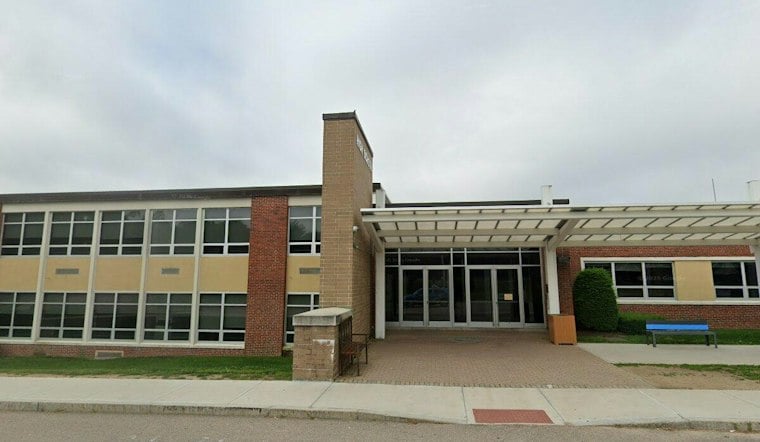
Esclanette Germain used to spend about 13 hours a week riding multiple buses and trains just to get to work and back. This week, students at Southeastern Regional Vocational Technical High School handed her the keys to a refurbished Acura MDX, ending a two-year stretch of relying entirely on public transit to hold down a job and raise her son.
Germain, a single immigrant mother who moved to Massachusetts from Haiti in 2024, works at FedEx while pursuing an education in mental health, according to WJAR. As the sole provider for her son, she told the station the car will help her save time, open up new opportunities, and allow her to work more hours. She said the surprise of receiving the vehicle exceeded her expectations.
Students Handle Everything From Tires to Collision Repair
The Acura MDX passed through the hands of Southeastern Regional's automotive program before it ever reached Germain. Students replaced all four tires, installed new TPMS sensors, and completed an oil change and multipoint inspection, per the same WJAR report. Collision repair student Jaymiro Montero prepared and welded a patch to fix a rusted section of the vehicle, with Jarrod Lussier overseeing the work as the school's vocational supervisor.
The refurbishment was done in partnership with Second Chance Cars. Southeastern Regional, located in South Easton, is one of ten Massachusetts vocational-technical high schools that partner with the organization — a list that also includes Minuteman, Greater Lawrence, Medford, Tri-County Regional, and Worcester Tech, according to the nonprofit's partner listing cited by Bowdoin College. Southeastern Regional serves nine member municipalities: Brockton, East Bridgewater, Easton, Foxborough, Mansfield, Norton, Sharon, Stoughton, and West Bridgewater.
A $900 Loan Built to Create Credit, Not Debt
Recipients like Germain do not simply receive their vehicles for free. Second Chance Cars structures each handoff around a $6,000 vehicle, with recipients paying $900 toward the cost in 12 monthly installments of $75 through a zero-interest credit-building loan administered with Metro Credit Union. The payments are designed to stay affordable on low-income wages while helping recipients establish or repair their credit.
The nonprofit's model relies in part on resale economics: higher-maintenance or luxury donated vehicles get sold on the retail market, and those proceeds subsidize low-maintenance commuter models such as Honda Civics and Toyota Priuses for recipients, Bowdoin College's reporting notes. Second Chance Cars was founded in Massachusetts in 2018 by Executive Director Dan Holin, who modeled the program after Maryland's Vehicles for Change and had previously worked at UTEC.
Why a Car Can Mean a Different Life
The stakes behind a single donated vehicle go beyond convenience. Second Chance Cars' 2024 impact data found that vehicle recipients saw their weekly work hours climb by an average of 88 percent — from 19.8 to 37.4 hours — alongside a 123 percent jump in average annual income, from roughly $22,000 to about $49,000. The same data showed that 38 percent of housing-insecure recipients moved into permanent housing within a year of getting a car, and that nearly all recipients paid their car loans on time.
Research cited by Second Chance Cars from MassINC helps explain why: only a small majority of jobs in Massachusetts Gateway Cities can be reached by public transit within a 90-minute one-way commute, leaving transit-dependent workers like Germain at a structural disadvantage when it comes to full-time hours or overtime. In 2024, the organization's recipients included 45 percent military veterans, 31 percent single parents, refugees, or people in recovery, and 24 percent returning citizens reentering society after incarceration — a cross-section of people facing steep hurdles to steady, living-wage work.
The program's dual mission of economic mobility and vehicle reuse earned it a Climate for Freedom Award. For Germain, the recognition is beside the point. What matters now, as WJAR reported, is that she no longer has to spend hours waiting on buses and trains or plan her day around someone else's schedule.





