

























































A fire that broke out among multiple electric Cadillacs at a west Fort Worth dealership on Friday afternoon burned for 17 hours before crews finally got it out, leaving behind a scene of scorched vehicles and lingering questions about what started it all. No injuries were reported, but the blaze's sheer duration has put a spotlight on just how differently lithium-ion battery fires behave compared to a typical car fire.
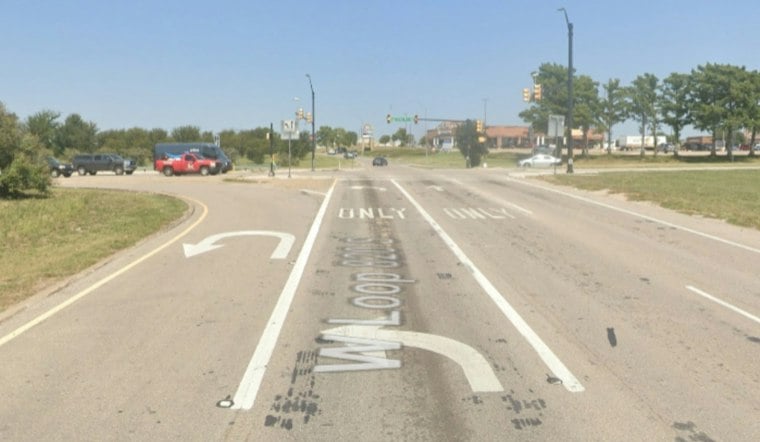
The fire broke out at Frank Kent Cadillac, located at 3500 W. Loop 820 near Camp Bowie Boulevard, according to wbap.com. Firefighters responded shortly after 4 p.m. Friday to find multiple vehicles engulfed in flames, sending a large column of dark smoke into the sky over the dealership lot. The fire ultimately burned for 17 hours, according to WFAA, a timeline that has raised concerns locally about toxic smoke and public safety.
Engine 23, Quint 23, Engine 18 and Engine 16 were still on scene more than five hours after the initial call, the station's report notes. The dealership said firefighters managed to bring the blaze under control before it could spread to neighboring businesses or the surrounding grassland. Even so, the fire was far from finished burning itself out.
Vehicles Were Still Burning Hours Into the Night
A passing motorist reported seeing vehicles still burning at the dealership around 1:30 a.m. Saturday, more than nine hours after the fire was first reported, according to benbrooklife.com. Responding crews said at the time that electric-vehicle battery cells could continue burning for an extended period, and that protecting nearby property remained a priority well into the overnight hours.
By Saturday morning, the cause of the fire had not been determined, and the exact number and models of vehicles damaged had not been publicly identified, per the same account from wbap.com. A large fire at the dealership appeared to destroy several vehicles, as seen in footage reviewed by CBS News Texas, though firefighters remained at the scene well after the flames themselves had been extinguished.
Why Battery Fires Burn So Differently
Fires involving high-voltage lithium-ion batteries carry a risk that conventional car fires don't: thermal runaway, an uncontrolled rise in temperature and pressure inside damaged battery cells that can cause the fire to reignite even after it appears out, wbap.com reports. The outlet points to a National Transportation Safety Board review of four electric-vehicle fires, three of which involved batteries damaged in high-speed crashes that reignited after firefighters had already extinguished the initial flames.
That reignition risk is backed by federal guidance. The U.S. Fire Administration notes that even after a lithium-ion battery fire is extinguished, there remains a risk it will reignite, according to usfa.fema.gov. Separately, the agency has noted that when lithium-ion batteries fail inside an electric vehicle, they have the potential to release toxic combustion byproducts, with some concern that exposures from EV fires may be more harmful than those from conventional car fires, per a workgroup summary posted to usfa.fema.gov.
The water demands alone illustrate the gap between EV fires and ordinary ones. A fire truck typically carries about 750 gallons of water, which is usually enough to knock down a gas-powered car fire, but an electric vehicle fire can require upwards of 10,000 gallons, a Lewisville-area firefighter explained to NBC 5 Dallas-Fort Worth. “When one does catch on fire, it's going to burn hotter, it's going to burn longer,” the firefighter said of EV battery chemistry. The Fire Safety Research Institute is currently testing tools such as fire blankets and specialized foam to help crews tackle these fires more effectively, according to the same report.
Not the First Battery Fire in North Texas This Year
The Fort Worth dealership fire isn't an isolated case for the region. In July, Lewisville firefighters responded to a fire that appeared to have started when a homeowner tried to charge a Tesla, NBC 5 Dallas-Fort Worth reported. Investigators ultimately listed the cause as undetermined and closed the investigation without turning up new information.
A similar scenario played out in Colorado, where South Metro Fire Rescue crews rushed to a burning electric vehicle near Arapahoe Road and Waco Street, according to CBS News Colorado. That fire, which investigators attributed to an abandoned tow hitch struck by at least four vehicles, put out so much thick, black smoke that firefighters urged residents within a half mile to close their windows and doors and shut off their HVAC systems. The driver escaped without injury, and Arapahoe Road was closed in both directions while crews worked to contain the flames.
The timing of the Fort Worth fire also lines up with the National Fire Protection Association's 2026 Fire Prevention Week theme, “Charge into Fire Safety: Safe Charging Is a Superpower,” which focuses on reducing lithium-ion battery fire risks through safer charging practices, per wbap.com. Federal regulators have their own guidance for everyday EV owners: the National Highway Traffic Safety Administration advises against parking a damaged vehicle with a lithium-ion battery in a garage or within 50 feet of a house, other structure, vehicle or combustibles, and recommends contacting a dealer or emergency services if battery damage is suspected, according to nhtsa.gov.





