

























































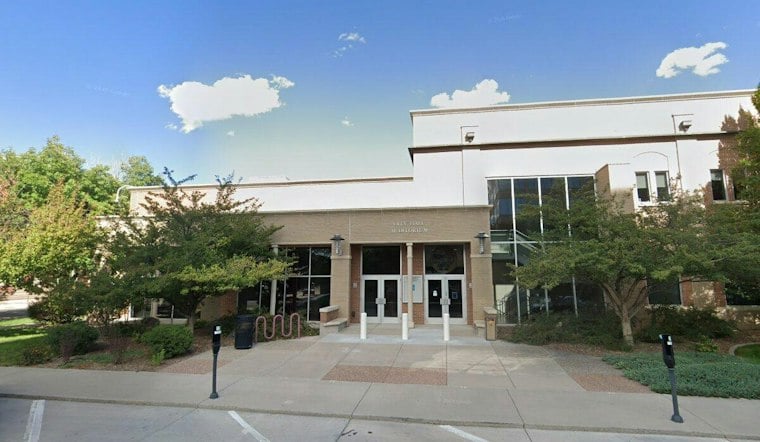
An Englewood resident reached out to a local reporter with concerns that the city isn't enforcing its own ban on overnight camping in public parks, sparking a debate among city council members over whether stricter enforcement is even possible without more resources to help people experiencing homelessness. The disagreement, aired during a recent city council study session, lays bare the tension many Colorado communities are grappling with: how to respond to homelessness while balancing public safety and compassion.
A Resident's Frustration Boils Over
Englewood resident Michael Jones told Denver7 that he has seen little enforcement of the city's overnight camping and public-rights-of-way restrictions during his time in Englewood, and that the lack of action has made beloved public spaces feel unsafe to use. He said he was not calling for a full camping ban, but wanted the city to enforce its existing restrictions while also directing more resources toward people in need. Jones added that he believed unhoused people were effectively receiving more rights than the taxpayers who fund the parks, streets and public areas in question.
Jones also said he was surprised by how some council members responded to his concerns, and he pressed them on whether they were actively investigating the issue, identifying gaps in the city's approach, and working to close them. His comments came as Englewood City Council received an update on the city's Safe and Clean Englewood Initiative and additional community feedback during the same study session.
Council Members Push Back on Stricter Enforcement
Several council members pushed back on the idea of ramping up enforcement of the overnight camping and public-rights-of-way rules, citing a lack of resources specifically dedicated to nighttime response. Council member Aaron Martinez said council members needed to clearly understand the consequences of enforcement, including the possibility that there may be no permissible place for someone caught camping to go once they're removed from a park. Council member Tena Prange echoed that concern, saying she did not want to create a situation where people have no legal place to exist.
City officials have said enforcement already happens in specific circumstances. Per Tim Dodd, Englewood police enforce the camping and rights-of-way rules when responding to emergency calls for service and during some early-morning or late-night park patrols, though the department does not patrol every park every day because of staffing constraints.
How the Safe and Clean Initiative Took Shape
Dodd said the city began receiving community concerns about cleanliness, safety and related issues starting in September, which led Englewood to launch the Safe and Clean Englewood Initiative in response to that feedback. According to the city's own description of the program, it focuses on four key areas, including prevention — using rules, regulations and resources to encourage pro-social behavior before incidents occur — and enforcement, defined as making sure existing laws and city codes are followed by everyone present in Englewood. City officials describe the broader effort as a multifaceted plan addressing both public safety and homelessness, one that also collects public feedback and reports about needs requiring attention around the city.
Importantly, officials say the initiative is meant to focus on respectful enforcement of regulations and connecting people to available services, rather than targeting people based on their housing status or where they live. As part of that effort, Englewood police officers and local businesses will reportedly receive cards with information about available resources and how people can access them.
Shelter and Services Already in Place
Dodd pointed to existing resources the city already has in place, saying Englewood has a navigation center where people experiencing homelessness can be connected with services, and that the city partners with nonprofits to provide shelter on specific nights during severe weather. Englewood is also a member of the Tri-Cities Homelessness Initiative, which offers a variety of resources to residents in need. A separate city release described the Tri-Cities' Homeless Navigation Center, located near the Ready to Work house, as offering 20 short-term beds and essential day programming, according to Englewood's city government.
Dodd said housing first remains the city's focus, and that Englewood is working with Tri-Cities partners while simultaneously developing a longer-term affordable housing plan. Per Dodd, the city has conducted surveys and focus groups as part of community engagement for that plan, and officials intend to present a proposed draft long-range affordable housing plan to council for consideration this fall.
What Nearby Colorado Cities Are Doing
Englewood isn't the only Colorado city wrestling with how aggressively to enforce rules around homelessness in public spaces. In Grand Junction, the city council voted 5-2 to move forward on amending its camping prohibition, according to the Grand Junction Sentinel. That city's municipal code already forbids camping in parks, alleyways, riverfronts and other public property, but currently exempts situations where no overnight shelter is available — an exception the proposed changes would eliminate. Grand Junction Mayor Laurel Lutz framed the move as a safety measure rather than a punitive one, saying, “We're not doing this just to punish people, or harm people that are unhoused, it's really to keep them safe.” Notably, the Sentinel reported that Grand Junction police had issued only 17 tickets under the existing anti-camping code over the prior three years combined.
Farther south, Colorado Springs took an even more aggressive step, advancing an ordinance that would make sleeping in vehicles on public property illegal, according to Colorado Public Radio. The measure passed its first council vote 7-2 and includes tiered penalties ranging from a warning up to 10 days in jail, with cited vehicles subject to towing. A separate report from Rocky Mountain PBS described the penalties as including up to 10 days in jail and a $300 fine, though that figure wasn't specified in CPR's account of the ordinance. City officials said they were simultaneously planning safe-parking zones at religious institutions where people could legally sleep in vehicles, while opponents argued the ban could increase homelessness and cause additional harm.
A Mixed Picture on Regional Homelessness Trends
The debate over enforcement comes amid a complicated regional picture on homelessness trends. Arapahoe County reported that no families were counted sleeping unsheltered during the 2026 Point-in-Time count, down from 14 families counted in 2025, according to Arapahoe County government. The county's materials describe this as part of an overall decline in unsheltered homelessness, though the figures provided don't include the total unsheltered population or a full year-over-year comparison.
State officials have urged caution in reading too much into single-year swings in those counts. The 2026 Point-in-Time count was conducted on January 27, and the Colorado Department of Local Affairs noted that while the count is a valuable lens for viewing housing stability issues, it remains subject to variables such as weather, volunteer engagement and survey capacity. Englewood's own homelessness initiative page lists monthly data dashboards tracking the issue locally, including dashboards for January 2026 and several months throughout 2025.



