

























































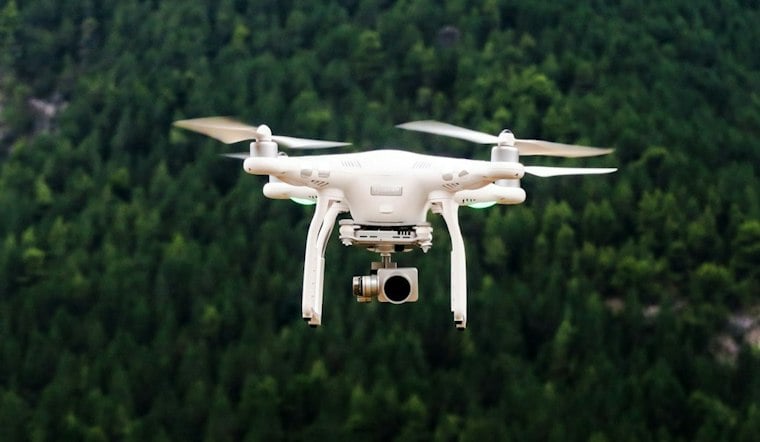
The skies above the US-Mexico border just got a lot more off-limits. New FAA notices issued Friday bar all civilian drones—even recreational models weighing under 250 grams—from flying within one nautical mile of the border up to 400 feet above ground level, with the restriction running all the way through October 19, 2027.
The temporary flight restriction, detailed in FAA NOTAMs 6/9954, 6/9955 and 6/9956, requires anyone wanting to fly a drone near the border to request a waiver through Customs and Border Protection at least 48 hours in advance, according to DroneXL. The restricted zone stretches across downtown El Paso, Laredo and Brownsville in Texas, Nogales in Arizona, and Calexico in California — meaning hobbyists, journalists and even some local agencies in those border towns now need federal sign-off before launching a drone anywhere near city limits. As reported by the News Tribune, the move comes as the US government steps up efforts to address illegal cross-border drug shipments carried by drone.
The FAA and the Pentagon have also signed an agreement allowing government use of a high-energy laser counter-drone system along the southern border to address the threat, per the News Tribune's report. The Pentagon has reported more than 1,000 drone incursions along the border each month, with Mexican cartels using the aircraft to drop drug packages or surveil trafficking routes. Defense Secretary Pete Hegseth said restricting unauthorized drone activity gives commanders greater awareness, decision space, and options to defend the homeland, adding that the military will shoot down any cartel drone that threatens US sovereignty.
Lasers Already Downing Cartel Drones in South Texas
The hardware behind the crackdown has already seen combat. Between August 25 and early September, Joint Task Force-Southern Border used the vehicle-mounted Army Multi-Purpose High Energy Laser system to shoot down 11 hostile cartel-linked drones in South Texas, an operation that contributed to an estimated 75 percent drop in border drone probing activity, according to the same report cited by DroneXL. Before fielding the laser weapons, military personnel had intercepted roughly 300 cartel-linked drones since January using electronic jamming.
The scale of the problem is what pushed officials toward such drastic measures. In July testimony to Congress, Homeland Security counter-drone official Steven Willoughby said more than 27,000 drones were detected within 500 meters of the US southern border in the last six months of 2024, as reported by PBS. DHS officials noted that most of those flights occurred at night or at restricted altitudes, used to convey illegal drug shipments and conduct surveillance.
A Rocky Path to Border-Wide Approval
Getting the military's laser system cleared for domestic airspace was not smooth. In February, the FAA announced a 10-day halt to all flights at El Paso International Airport after the Pentagon's laser system was used by Customs and Border Protection without a completed FAA safety review, the News Tribune reported. The US military had shot down a CBP drone with the laser-based system, and the FAA also expanded a no-fly area around Fort Hancock, Texas, before lifting the El Paso shutdown order after about eight hours following White House intervention. DHS vowed closer communication with other agencies after the incident.
That friction pushed the Pentagon back to the testing range. During a March 7–8 safety test at White Sands Missile Range in New Mexico, the military's 20-kilowatt laser system demonstrated its automated safety controls by deactivating on its own when it tracked a target aligned with an incoming commercial flight bound for Albuquerque, according to DefenseScoop. The live-fire testing followed the February laser incident near El Paso that triggered the temporary commercial airspace closures, and it ultimately paved the way for the broader FAA-Pentagon agreement.
Homeland Security Secretary Markwayne Mullin said the restrictions will help counter cartel drone threats, protect personnel, and strengthen security in border airspace, per the News Tribune. Not every drone sighting tied to the Trump administration's security posture has been border-related, however: drones were reported over Fort McNair in Washington, where Secretary of State Marco Rubio and Hegseth live, though FAA Administrator Bryan Bedford told Reuters the counter-drone system is used only along the southern border and not at Fort McNair. Fort McNair sits near Reagan Washington National Airport.
Troops and Lasers Surge Into the Rio Grande Valley
The airspace lockdown lands amid a broader military buildup nearby. On October 2, US Northern Command announced Operation Unified Resolve, deploying roughly 500 active-duty troops and high-energy laser systems across 320 river miles of Texas's Rio Grande Valley, following a September 26 exchange of gunfire involving US Coast Guard personnel at the border, as Hoodline previously reported. Mexican President Claudia Sheinbaum requested evidence from US officials after Mexican forces said they found no record of gunfire originating from Mexican territory.
Lasers aren't the only tool in the federal arsenal. In July, the Pentagon contracted CACI International to move its transportable SkyValor counter-drone system into full-rate production along the southern border, using non-kinetic electronic countermeasures to intercept cellular-controlled drones, according to AVweb. The system underwent operational testing at Marine Corps Air Station Yuma in Arizona before heading to the border.
Cartels Have Escalated Their Own Drone Tactics
The federal buildup mirrors an escalation on the other side of the border. A study reported 77 drone bombings by criminal cartels across Mexico in 2024, up from 35 in 2023. US counter-drone officials have warned Congress that cartels could eventually target American law enforcement or military personnel near the border.
States have been building their own drone capacity for years alongside the federal response. The Texas Department of Public Safety maintains one of the largest state-operated drone programs in the nation, with more than 450 drones and nearly 400 trained employees. In Arizona, lawmakers introduced House Bill 2733 in February 2025 to shield state and local law enforcement officers from civil liability when disabling or shooting down illegal cartel drones along the border, reflecting the legal hurdles agencies face when trying to neutralize cross-border incursions.





