

























































A Queens firefighter spent days pushing through headaches so severe he said the pain never let up from the moment he woke until he went to sleep, all while continuing to respond to 911 calls. By the time Santiago Ruiz finally sought medical attention, doctors found he had an active brain hemorrhage that required emergency surgery.
Ruiz is now recovering at home after the surgery, according to News 12. He was temporarily assigned to Ladder 39 in the Bronx when the severe headaches began, and they persisted for days before he sought help. “From the moment I woke up to the moment I went to sleep, it was just terrible pain,” Ruiz said, describing the ordeal he endured on the job.
Rather than step away from his shifts, Ruiz kept responding to emergency calls, leaning on Tylenol to get through each one. He held off on seeking medical care until the workweek ended, and that is when doctors discovered the active brain hemorrhage, according to the station's report. He then underwent emergency surgery and now faces a recovery that could sideline him from work for months or longer.
A separate case investigated by the National Institute for Occupational Safety and Health illustrates how a headache can precede a serious event in the fire service, though it does not establish a connection to Ruiz’s hemorrhage. A Tennessee district chief complained of a headache after serving as incident commander at a fire; the next day he suffered a stroke and later died. NIOSH’s investigation found that his stroke was an intracerebral hemorrhage and noted that headache is common and, on its own, not specific to stroke.
A severe headache by itself does not establish that someone is having a stroke, but the CDC lists a sudden, severe headache with no known cause among stroke warning signs and advises calling 911 immediately when such symptoms occur. The agency says prompt treatment can reduce brain damage, making persistent or unusual symptoms important to take seriously rather than simply masking the pain. The CDC’s stroke warning-sign guidance also lists sudden weakness, confusion, vision problems and loss of balance.
A Firehouse Rallies Behind One of Its Own
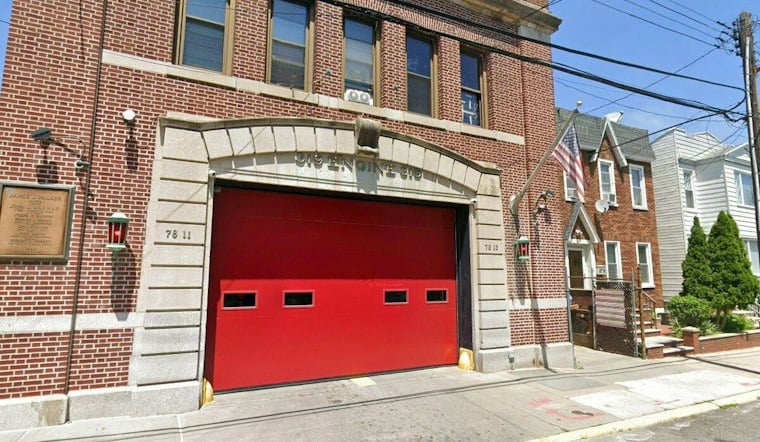
Word of Ruiz's ordeal spread quickly through his firehouse, and a few of his fellow firefighters from Engine 319 responded by launching a GoFundMe to help ease the financial strain on Ruiz and his family during his recovery, per the same account. On the fundraising page, firefighters wrote that the FDNY is more than a job — it is a family — and said they hope the support allows Ruiz's family to focus on his health and recovery rather than financial pressure.
For Ruiz, the gesture came as a genuine surprise. He said the fundraiser caught him off guard and expressed gratitude for the support he has received from the department throughout his recovery.
Missing a Birthday, Looking Ahead to the Next
Beyond the physical toll, Ruiz's hospitalization carried a personal cost: he missed his daughter's birthday while he was being treated. He said he is now looking forward to spending more time with her and expects to be there for her birthdays going forward.
Ruiz's case underscores how far firefighters sometimes push themselves before stepping back to address their own health, continuing to serve the public even as they quietly manage a medical crisis of their own. His firehouse family's response, meanwhile, shows the kind of support network the department can offer when one of its own is sidelined by something as serious as a life-threatening brain hemorrhage.





