

























































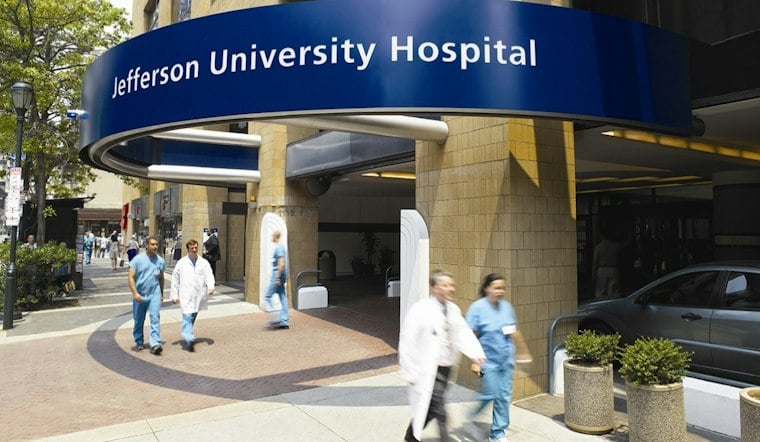
Sickle cell disease shortens lives by roughly two decades compared to the general population, according to national data, and doctors at Thomas Jefferson University say closing that gap starts with getting patients to the right specialists sooner. The disease affects an estimated 100,000 people in the United States, according to the CDC, and disproportionately impacts residents who are Black or of African descent. Now, Philadelphia is becoming part of a broader effort to expand high-quality sickle cell care and services across the Mid-Atlantic region.
The push comes as the U.S. Department of Health and Human Services selected Thomas Jefferson University to oversee one of seven new regional coordinating hubs for sickle cell disease, according to WHYY. The broader initiative, known as the Sickle Cell Disease Regional Care Excellence Program, funds regional coordinating hubs designed to help patients access specialty care and community services closer to home, according to Becker's Hospital Review. Each hub partners with at least three spokes, with every spoke pairing a clinical center with one or more community-based organizations, per the same report.
Leading Jefferson's effort is Dr. Sophie Lanzkron, division director of classical hematology at the university and a sickle cell disease specialist and researcher, per WHYY's reporting. Lanzkron said patients treated at comprehensive, high-quality centers have better outcomes than those treated by local hematologists alone, according to the station. She is internationally recognized for pioneering research on the optimal care and management of sickle cell patients, according to Thomas Jefferson University, which also notes she leads the Globin Research Network for Data and Discovery, described as the largest prospective sickle cell disease registry in the country.
Why Early Specialist Access Matters
Sickle cell disease impairs red blood cells' ability to carry oxygen to organs and tissues, and the misshapen cells can become stuck in small blood vessels, causing extreme pain, organ damage and anemia, per WHYY. The disease is inherited from both parents, who either have the disease or carry the affected gene, and it has four subtypes with varying severity and complications. Early treatment and intervention can help people avoid complications and delay long-term effects, but that depends on access to specialists — something WHYY reports is necessary for successful early intervention.
Sickle cell care includes annual evaluations to ensure patients are receiving appropriate treatment, and medications can help manage pain and other complications, according to the station's reporting. Jefferson itself provides gene therapies and stem cell transplants that can be curative, though patients need evaluation and management at specialized centers first, WHYY reports. Lanzkron and her team can refer people directly from emergency departments into specialized care, according to the same account.
Reaching Patients Far From Philadelphia
Part of the challenge is geographic. Erie, Pennsylvania, lacks a comprehensive sickle cell center, per WHYY's reporting, leaving some patients far from the kind of specialized treatment Lanzkron says improves outcomes. Sickle cell disease affects nearly 4,000 people in Pennsylvania, the station reports, and Lanzkron and her team are working with health organizations and specialists across the Mid-Atlantic to bridge those care gaps.
To reach patients outside Philadelphia, Lanzkron's team uses telemedicine to connect with people in rural areas, according to WHYY. The station also reports the team is investigating technology meant to identify more people with sickle cell disease and better understand where they live and seek care. That rural-access focus echoes a broader pattern: a review of telehealth use during the COVID-19 pandemic found that sickle cell patients, families and providers in rural communities generally rated their telehealth experiences favorably, with outcomes better than or comparable to those who skipped virtual care, according to a study published on PubMed Central.
The Stakes Behind the Numbers
The urgency behind the federal push is rooted in stark outcome data. A study covering Medicaid and Medicare enrollees with sickle cell disease across all 50 states, using data from 2008 to 2016, found the average life expectancy of publicly insured patients was roughly 52.6 years, compared with 73.5 years for U.S. men and 79.3 years for U.S. women overall, according to the American Society of Hematology. The organization notes that newborn screening, pneumococcal vaccination and prophylactic antibiotics have dramatically improved life expectancy for children diagnosed with the disease, even as adult outcomes continue to lag.
HHS has said early and ongoing treatment can prevent or reduce serious complications, but many patients still face barriers to preventive care, specialty services and disease-modifying therapies, according to Becker's Hospital Review. Previous federal investments have already helped more than 75% of people with sickle cell disease in the country receive disease-modifying therapy, according to The Well News. The new hub program is designed to build on that progress by linking patients to specialty care and community services closer to home.
A Model Already at Work in Pennsylvania
Pennsylvania has decades of experience building sickle cell infrastructure for younger patients. UPMC Children's Hospital of Pittsburgh is one of four medical centers in the state funded to receive newborn sickle cell screening results, and it has identified children with the disease and provided counseling, follow-up care and genetic testing since 1978, according to the hospital. Pennsylvania formally began newborn screening for hemoglobinopathies, including sickle cell disease and thalassemia, in September 1992, per the same source.
That Pittsburgh program currently cares for 250 children, teens and young adults up to age 21 with sickle cell disease, offering two clinics each week and sending staff to two satellite clinic locations three times a year, according to UPMC Children's Hospital of Pittsburgh. As Jefferson's regional hub takes shape, its challenge will be extending that kind of coordinated, closer-to-home model to adult patients across a much wider stretch of the Mid-Atlantic.


