

























































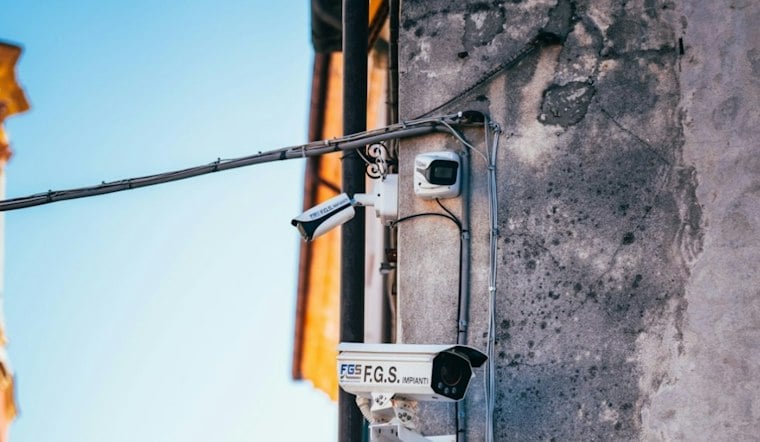
Florida’s late-August restriction on Flock cameras applies to state highways, not to cameras on municipal or county roads. Private property owners, including homeowners associations, may also continue using them, according to The Conversation. The limits of that restriction are part of a wider debate over automated license plate readers—and over the public positions of elected officials, including U.S. Sen. Ashley Moody.
Local decisions and wider scrutiny
Several Florida local governments have taken separate steps involving the cameras. Pasco County commissioners voted to remove dozens from county land, while Manatee County commissioners barred them from county parks and buildings and required board approval for future installations, according to WUSF. St. Lucie County officials decided to remove the county’s readers, the Washington Post reported, and Tallahassee’s city commission directed its police department to suspend its network.
Miami-Dade’s sheriff’s office said its license plate reader program would be suspended in full, and Pembroke Pines announced a pause after records showed the city had spent more than $300,000 on over 60 cameras, according to the Miami Herald. The Palm Beach County Commission unanimously voted to pause new license plate reader permits. Nationally, Secure Justice’s tracker counted cancellations in 36 states, as cited by The Guardian; the Institute for Justice counted 247 full cancellations as of early October, according to the Marshall Project.
Congressional proposals have also addressed the technology. Kentucky Republican Thomas Massie introduced the Flock-Off Act on Sept. 2, which would block federal funding for license plate readers and biometric surveillance cameras. Florida Republican Rep. Greg Steube introduced the Flafo Act, which would require federal agencies to obtain judicial warrants before buying, operating, accessing or sharing data from networked license plate readers, The Guardian reported. Rep. Anna Paulina Luna, who appeared with Moody at the rally, has said she is working on legislation to ban Flock cameras and that she and others are fighting for civil liberties.
Evidence about the cameras’ effectiveness is contested. A study comparing 216 police agencies that adopted Flock with thousands that did not found an 11 percent decline in vehicle theft and a 16 percent increase in theft-clearance rates after installation, the Marshall Project reported. The Institute for Justice argued that both trends were already underway before installation, complicating efforts to isolate the cameras’ effect. Digital-privacy expert Rindala Alajaji told the Miami Herald that removing cameras from state roads would not end the broader surveillance network, because municipal, county and private systems remain.
Moody’s position and the Plant City connection
Creative Loafing Tampa Bay reported that Moody has not publicly stated a position on Flock cameras or other automated license plate readers. The outlet also reported that Moody’s team did not answer its follow-up email asking for her position, and that Moody did not respond to further questions for its article. Those unanswered requests leave her stance unclear.
The outlet also reported that Moody is married to Justin Duralia, deputy chief at the Plant City Police Department. Duralia was sworn into the role minutes before the city commission approved a Flock contract at its July 8, 2024, meeting, according to Creative Loafing Tampa Bay. Plant City approved 20 cameras in 2025 and unanimously approved 22 more in November, FOX 13 News reported; installation of the additional cameras was still underway, and police said they would retain data for 30 days.
Local scrutiny has included questions about access to the data. A Pinellas County deputy was arrested on allegations of using a Flock database to search for a love interest. Sheriff Bob Gualtieri said the agency’s audit process had failed to catch the misuse, according to Creative Loafing Tampa Bay’s reporting.
What happened at the Indian Rocks Beach rally
The account of Moody’s exchange with reporters comes from Creative Loafing Tampa Bay, which reported that Moody and Luna spoke to reporters for less than six minutes at a campaign rally at The Original Crabby Bill’s in Indian Rocks Beach. Asked whether she was avoiding the press, Moody rejected the accusation and said she wanted attention on her differences with Democratic opponent Angie Nixon. The outlet reported that, as its reporter raised Flock cameras, Moody’s team led her away and her security detail blocked the reporter from following.
Moody also reiterated that she would not debate Nixon, and characterized her opponent as a radical socialist, Creative Loafing Tampa Bay reported. Luna said Nixon was afraid to debate Moody. The two Republicans briefly discussed affordability and said they would support tax cuts.




