

























































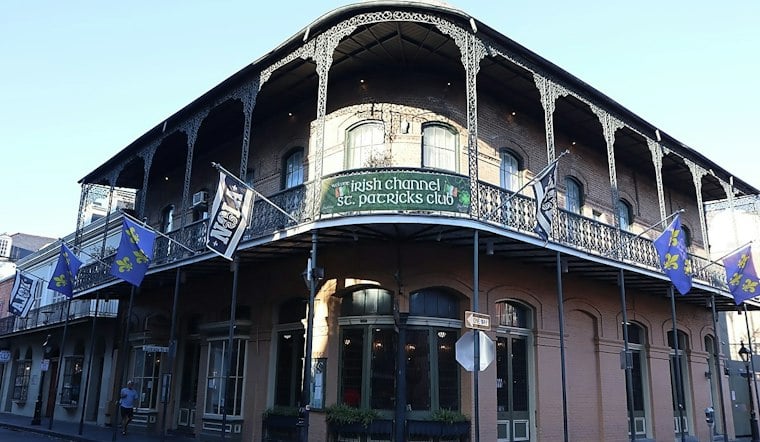
The building at 917 Conti Street in the French Quarter spent more than five decades giving tourists the creeps with life-sized wax figures spread across dioramas. Today, that same mid-19th-century masonry structure houses 16 luxury condominiums known as The Residences at 917 Conti, where a kitchen inside one unit recently appeared in listing photos showcasing the building's transformation from spooky attraction to upscale address.
The Musée Conti Wax Museum opened in 1964 and operated at the address for more than 50 years before closing permanently on January 31, 2016. Shortly before that closure, real estate developer Weber Companies acquired the building with plans to redevelop it into 16 luxury condominium units initially projected to sell anywhere from the mid-$500,000s up to $2 million, as WWNO reported at the time.
The wax museum itself was just one chapter in the building's long history. Before it became a tourist attraction in the 1960s, the site operated as the Jefferson Academy boys' school, and it was originally settled as a lodging house during the late 18th-century Spanish colonial period, according to research from Ghost City Tours.
From Dioramas to Designer Finishes
Converting a commercial wax museum into residential living space meant threading a needle between modern comfort and historic preservation. Architectural plans for the project converted the masonry building into 1-, 2-, and 3-bedroom residences ranging from 720 to 2,217 square feet, retaining exposed interior brickwork and original warehouse window designs updated with hurricane glass and concrete soundproofing, per details on the development's own site.
Those same plans required sign-off from New Orleans' Vieux Carré Commission, which reviewed and approved architectural documents for the change of use from commercial to residential starting in 2015. A NOLA.com image of a finished kitchen inside one of the units offers a glimpse of how thoroughly the old museum space has been reimagined for everyday living.
Amenities Rare for the French Quarter
What sets 917 Conti apart from other French Quarter residences isn't just the history — it's the amenity package. The property features an indoor central atrium built around a 50-foot waterfall sculpture, plus a rooftop terrace with a heated pool, two spas, dual grilling stations, and a fitness room, according to Realtor.com listing details.
Perhaps the rarest perk, though, is parking. The development includes an attached indoor garage with elevator access to individual floors — an amenity real estate professionals describe as exceptionally rare in a historic district where off-street parking is notoriously scarce, per listings reviewed on Homes.com.
Living Under Preservation Rules
Owning a unit here comes with strings attached, courtesy of the neighborhood's strict historic protections. Homeowners at 917 Conti are subject to Vieux Carré Commission rules that forbid external key lockboxes and exterior for-sale signage, restrictions that shape how real estate transactions unfold throughout the district.
Condominium association rules also require minimum rental lease terms of one month or longer, aligning with city zoning ordinances that strictly restrict short-term rentals under 30 to 60 days across the French Quarter. The policy reflects a broader citywide effort to limit the kind of short-term tourist turnover the neighborhood has wrestled with for years.
What Units Are Fetching Today
Nearly a decade after the wax museum's doors closed for good, resale activity shows the development holding firm in the luxury tier. Active listings in late 2026 reflect asking prices from $550,900 for a 1,148-square-foot one-bedroom unit up to $749,900 for a two-bedroom unit, with monthly HOA fees exceeding $1,000, according to Coldwell Banker listing data.
For a structure that has worn the faces of a Spanish colonial lodging house, a boys' academy, and a museum full of frozen figures, its latest role as a 16-unit luxury condo building marks just the newest turn in a story that has been rewriting itself for more than two centuries.





