

























































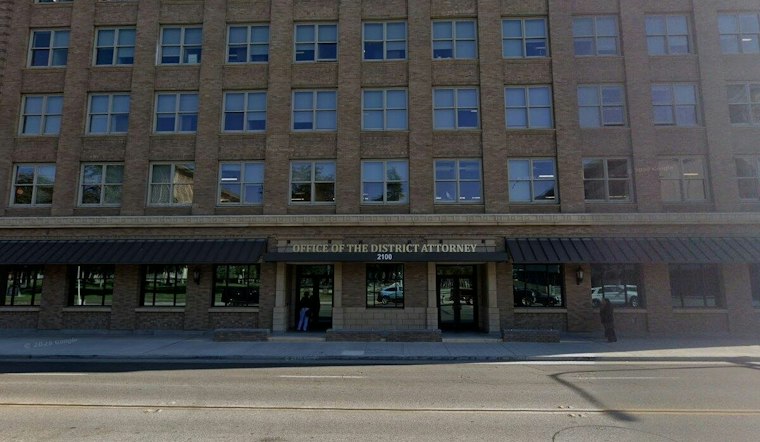
A Fresno County man has been sentenced to decades behind bars following a jury conviction on all 10 counts tied to years of sexual abuse against his stepdaughter and step-granddaughter, abuse that prosecutors say began when both victims were children. Jorge Dominguez Moreno, 46, was sentenced in Fresno County, California, after the jury found him guilty on every count along with multiple-victim enhancements and all aggravating factors.
The Fresno County District Attorney's Office said Moreno was sentenced to four years and four months determinate, followed by 175 years to life in state prison, according to kmph.com. A separate report from GV Wire cited the same sentence components while describing the overall total as 179 years to life.
Years of Abuse, Described in Court
According to GV Wire, the case centered on years of sexual abuse involving Moreno's stepdaughter and step-granddaughter, abuse that began when both victims were children. The outlet reported that the conduct included repeated sexual assaults, including rape and other forcible sexual offenses. As reported by YourCentralValley.com, Moreno was convicted of repeated sexual abuse of his stepdaughter and step-granddaughter.
A jury convicted Moreno on all 10 counts, multiple-victim enhancements and all aggravating factors on Sept. 1, per the station's report. Moreno's trial began Aug. 17, GV Wire noted, though the full length of proceedings was not independently confirmed beyond that start date.
Elderly Parole Consideration Years Away
Moreno will be eligible for consideration under California's Elderly Parole Program after serving 20 years of his sentence and reaching age 50, the same outlet reported, adding that eligibility for the program does not guarantee release. Under Penal Code section 3055, a person is generally considered for elderly parole after being incarcerated for 20 years, according to the California Department of Corrections and Rehabilitation, Board of Parole Hearings, though the agency's overview also lists exceptions, including for people convicted of first-degree murder of a peace officer because of the officer's official duties. That overview does not represent a complete statement of every requirement or exception that could apply to a given case.
Given Moreno's sentence of decades to life beyond any 20-year elderly parole mark, reaching eligibility would not change the fact that his prison term extends far beyond a single human lifespan. The case closes out with Moreno facing a sentence that may make him eligible for an elderly parole hearing after 20 years, though eligibility does not guarantee release.




