

























































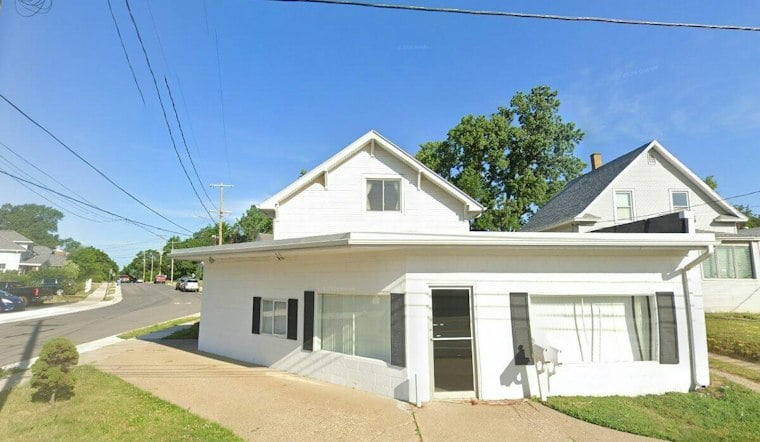
Eric and Lilia Brown used to sell midcentury modern furniture straight out of their garage, and the pieces moved so fast that neighbors started showing up in droves. Now that hustle has a permanent address: Design Culture, a curated vintage shop in Grand Rapids’ Creston neighborhood, opens its doors Saturday, Oct. 24, at 2141 Plainfield Ave. NE, north of Knapp Street.
The Browns, both professional designers, moved to Grand Rapids from Los Angeles with more midcentury modern furniture than they knew what to do with, according to WOODTV.com. What started as furniture they bought for their own home turned into a side business once they began listing pieces on Facebook Marketplace, and Eric Brown said the items sold quickly. The couple operated that garage business, called Mod Decor, starting in 2022, selling furniture and decor straight out of the space, per the same report.
Eventually the crowds gathering at their home became a safety concern, prompting the Browns to expand into a dedicated storefront and rename the business Design Culture. The new shop has about 500 square feet of retail space plus a back work room, WOODTV.com reports. On its own website, Design Culture describes the move simply: “We love being part of the Creston community.”
What's on the Shelves
Design Culture’s inventory spans furniture, home decor, art, plants, books and other vintage wares, the station’s report notes. Standout pieces include a 1960s Danish sculptural mirror and a 1978 Star Wars sketchbook featuring designs from the film. Perhaps the showstopper is a French bus stop poster of 2001: A Space Odyssey measuring five or six feet tall, which Eric Brown said comes from his own personal collection.
As wgrd.com reports, the couple travels across Michigan and neighboring states to find new items for the shop, sourcing inventory throughout Michigan and sometimes into Indiana and Illinois. They then clean, polish and repair pieces before putting them out for sale, aiming to appeal to a broader audience with a curated mix rather than a straight thrift-store jumble.
A Once-a-Month Rhythm
Design Culture opens for retail one Saturday per month, generally from 10 a.m. to 3 p.m., with the schedule published on the shop’s website. Eric Brown said the once-a-month opening model has worked for the business so far, and he and Lilia spend the rest of each month replenishing inventory and repairing and preparing both the goods and the store itself between openings.
When the shop isn’t open for retail, the Browns plan to use the space for events such as art galleries and demonstrations, building out a creative community around the storefront rather than just a retail calendar. Eric Brown said he hopes Design Culture becomes a hub for artists, designers and creative people, and that a dedicated location will help grow the business’s customer base. He added that the venture is focused on human connection rather than getting rich.
Joining a Crowded Secondhand Scene
Design Culture is entering a metro area with a deep bench of secondhand retail. The greater Grand Rapids area has nearly 90 vintage shops, secondhand clothing stores and antique shops, according to wgrd.com’s reporting, a backdrop that includes much larger multi-vendor operations. Raven’s Antiques and Collectibles, founded by husbands Jeremy Schnotala and Erick Gerson Rodriguez, opened in May and quickly rose to the top of a local poll, per experiencegr.com, with roughly 60 curated vendors selling everything from furniture and vintage clothing to records, toys and curiosities.
Other players dwarf Design Culture in sheer scale. The Elevated Market features more than 100 vendors, and together with the Glasshouse marketplace, the two host more than 150 vendor and artist booths across over 40,000 square feet, per experiencegr.com. The Glasshouse itself, a marketplace at 955 Godfrey Avenue SW, recently added 12,000 square feet of retail space at the former Keeler Brass site and now counts about 50 vendors selling decor, small goods and vintage clothing, according to WOODTV.com’s separate coverage. Against that backdrop, Design Culture’s 500-square-foot, once-a-month footprint reads less like a competitor to those warehouse-scale markets and more like a tightly curated alternative built around a single couple’s eye for design.





