

























































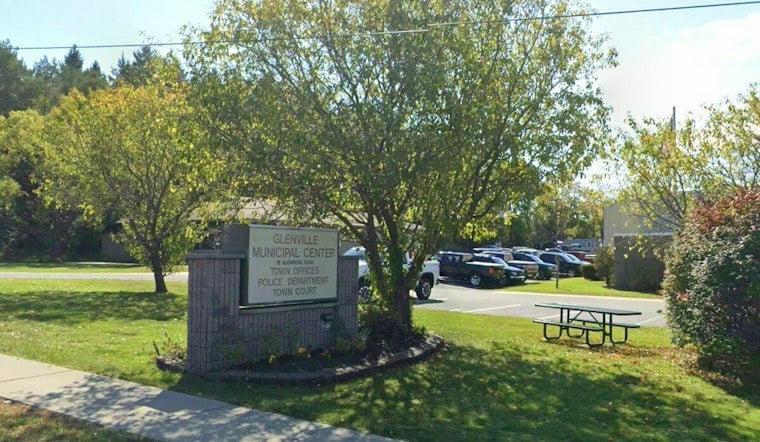
Glenville's proposed 2.4% tax increase is the lowest among Schenectady County municipalities, but the town plans to use savings to keep it there. The town board unanimously advanced a tentative 2027 budget Wednesday. For a home assessed at $200,000, the town tax bill would rise about $22, to $954.
The proposal, reported by The Daily Gazette, totals $18.6 million excluding special districts and is below the state's tax cap. Supervisor Robert Kirkham told the board he is proud of the plan and said the town remains committed to keeping the county's lowest tax rate.
Reserves Cover a Widening Cost Gap
Retirement, health insurance and contractual wage costs account for $993,733 in new expenses this year—roughly three times the increase the tax cap would normally allow, according to The Daily Gazette's report. Glenville plans to use about $1.2 million from its fund balance to cover the gap, leaving roughly $4 million.
Kirkham described the drawdown as deliberate and said the town would work to rebuild its fund balance over time. He attributed the pressure to mandatory cost increases, unfunded state mandates and inflation, and called for state help with those expenses. He also urged towns to form a health-insurance consortium to seek better rates on the open market.
Board member Tim Ferrara questioned the long-term sustainability of drawing on reserves and the budget's projected revenue, asking, “Is this sustainable for 2028, 2029 moving forward?” He said he looks forward to developing a plan to rebuild the fund balance. Ferrara voted with the rest of the board to advance the tentative budget.
Planning for the reserve draw
The New York State comptroller's financial toolkit says multiyear plans can help local officials and residents assess the effects of fiscal decisions over time and make program choices in advance, potentially avoiding sudden tax increases or dramatic budget cuts. The guidance does not establish a specific reserve requirement for Glenville.
Salaries, Sales Tax and a Shrinking Debt Load
The budget also includes modest raises for elected officials: the town supervisor and town justice salaries each rise by about $3,000, the town clerk's pay increases by about $5,000, and justices' salaries climb roughly $1,000 more. Town board members will see additional pay of about $100 each.
Kirkham cited several revenue sources in discussing the town's finances. He said sales tax revenue flowing through the Metroplex Development Authority rose about 6.7% through the second quarter of 2026. Mortgage tax revenue increased 51% from 2024 to 2025, and he expects a similar increase from 2025 into 2026. He also said Glenville's tax base grew 9.6% over the last 15 years, adding roughly $191 million in taxable value.
Debt is shrinking too. By the end of 2027, Glenville expects to have cut its debt load 88% since 2012, bringing total debt down to $2.31 million, with $2.6 million in debt service set to drop off the books after that year.
Police Upgrades and a Looming Water Bill
Roughly $750,000 in police station upgrades are funded entirely by grants, according to the budget figures presented Wednesday, sparing taxpayers that cost. The town has also received PFAS settlement money.
That picture is a big one: water and sewer upgrades and rehabilitation across Glenville are estimated to cost $34 million, with about $6 million in grant funding expected per the tentative budget. The work will not be entirely finished in 2027, leaving a multi-year price tag still ahead of the town.
How Glenville Compares Across the County
Glenville's proposed increase is the only one below 10% among Schenectady County municipalities. Niskayuna has reduced its proposed increase from 18.5% to 12%, with further cuts planned by its town board, The Daily Gazette reported. The reductions trimmed Niskayuna's proposed budget by about $637,000. Even after those cuts, a home assessed at $255,000 there would pay $91 more in property taxes, while employee benefits rose about $1 million, or 22%, from the prior year.
Schenectady County passed a 2027 budget with a 2% tax increase and a $41 million jump in spending, The Daily Gazette reported. Statewide, the 2027 property tax levy growth cap for local governments with calendar-based fiscal years is 2%, according to the Office of the New York State Comptroller. The office says the cap generally limits how much local governments and most school districts can raise the total property taxes billed.
The town board must adopt a final budget by November 20. Until then, the tentative plan—and the question of how Glenville will rebuild reserves over time—remains subject to change.



