

























































The 96-year-old diesel plant that once anchored Grand Haven's waterfront power grid is headed for the wrecking ball, and in its place developers now envision a children's museum wrapped around new residential condos. At a city council work session last month, developers said the brick building at 518 S. Harbor Drive is structurally unsalvageable and must come down to make way for the project.
John Groothuis, a partner with Grand Power Works, the redevelopment group behind the plan, presented the revised concept to the council, according to MLive. Groothuis told council members the project has no fixed exterior look or absolute design yet, since the layout was shaped around fitting in both the museum and residential units. He described the old plant as having eight different levels and standing water two feet deep inside, calling it a major challenge for any reuse plan, per the same account.
The work session was meant to gather council feedback before city staff and legal counsel revise an existing purchase agreement, the outlet reports. That effort tracks with what the City of Grand Haven detailed in its own October 5 meeting materials: the agenda included a proposed Agreement for Redevelopment for the property.
A Museum's Long Search for a Permanent Home
The commercial portion of that square footage is where the Grand Haven Children's Museum comes in. Developers signed a memorandum of understanding with the museum after about six months of discussions, the outlet notes, and that non-binding agreement spells out required square footage, dedicated parking access, and developer financial support for both the museum's relocation and its ongoing operations.
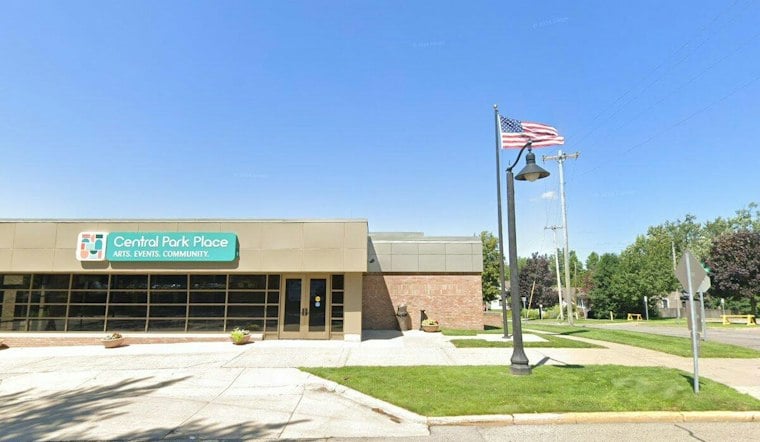
According to the Grand Haven Children's Museum, the MOU was signed September 9, following the same roughly six-month stretch of preliminary talks over space, parking, and financial support. The museum said the MOU advances a vision the organization had been working toward for a number of years. Just a year earlier, in October 2025, the museum had secured city council approval to begin lease negotiations for 13,500 square feet inside Central Park Place, a city-owned community center, with an original plan targeting a mid-2028 opening under a long-term lease set at $1 a year once operational, according to WGHN.
Developers have not resolved how to physically separate residential tenants from museum visitors for child safety, and Groothuis identified that separation as a high-priority item still to be worked out. Council members, for their part, voiced support for placing the museum on the property, citing community desire for a public-facing waterfront use. Councilmember Erin Lyon said the project could connect children's activities downtown to the beach, per MLive.
Why the Original Brick Shell Couldn't Be Saved
The push toward full demolition marks a sharp reversal from the plan Grand Haven's council originally endorsed. The Grand Haven Board of Light and Power sought proposals after the plant was shuttered in summer 2020, and in July 2021 the council chose Grand Power Works from among five competing submissions, according to The Lakeshore. That winning proposal had called for preserving the existing brick shell as an event space and restaurant with rooftop and outdoor patio seating.
Structural and environmental realities appear to have forced the pivot. The plant, completed in 1930 and expanded over nine decades by the Grand Haven Board of Light and Power, once stood as the largest municipally owned diesel-fired power plant in the country before it retired on June 1, 2020. Its triangular 0.64-acre site holds a brick building footprint of 10,200 to 13,000 square feet, with a 25-foot main generating hall and a full, multi-level basement that once housed heavy equipment foundations across varying floor elevations, according to the Grand Haven Board of Light & Power.
Site contamination also posed a challenge.
Councilmember Michael Fritz praised the plan's embedded underground parking beneath the living spaces, saying the existing building would need to be torn down to make that possible, MLive reports. Fritz backed demolishing the old structure outright, arguing it was designed to produce power, not to house residents or other uses. Mayor Bob Monetza likewise supported the project's new direction, saying the former plant could not feasibly be converted and that pursuing a project destined to fail made no sense; he added that this version is very different and that he expects the site's future to work out well.
A Waterfront Site With Strings Attached
The old brick power plant sits in a high-traffic stretch of Harbor Drive near Sherman Avenue, across from the U.S. Coast Guard station and close to the Grand River boardwalk, roughly half a mile from the Lake Michigan beach.
Officials have acknowledged that on-site residential units are necessary for the project's economic viability.
Grand Haven's diesel plant was shuttered in summer 2020.
With council feedback gathered, city staff and legal counsel will now work on drafting the revised purchase agreement. Once that is finalized, developers will submit formal site plans to the planning commission for review, MLive reports.





