

























































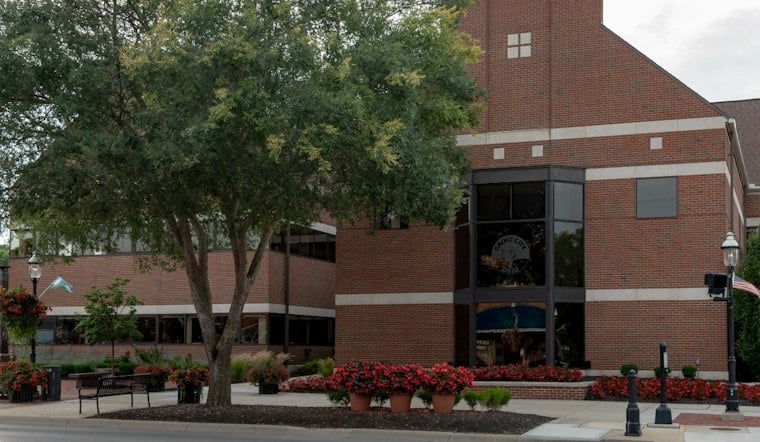
A petition drive in Grove City, Ohio that gathered more than 1,500 signatures has reshaped the city's fight over data centers, forcing a construction moratorium and setting up a November 3 ballot measure that could give residents veto power over future mega-developments. The campaign began after a firm partnering with a data-center company started meeting with residents about plans to build six large data-center halls on land just outside the city, according to nbc4i.com.
City records show the proposed project site sits north of Beatty Road, south of Rensch Road and west of Harrisburg Pike, just outside Grove City limits, according to a traffic memo filed with the city. At the time residents began organizing, Grove City had not actually received any formal data-center applications, even though Stream Data Centers had listed a nearby site as in development, nbc4i.com reported. Residents cited worries over land use, wells, noise, light pollution, property values and strained infrastructure as they pushed city leaders to act.
Council Moves to Pump the Brakes
Grove City Council responded on June 1 by voting 6-1 to impose a 12-month moratorium on any data-center construction in the city, a halt that, per the city's own account relayed by nbc4i.com, runs until June 2027, according to Spectrum News 1. The moratorium bought organizers time, but it didn't settle the underlying question of whether the city should ever allow a project of that scale.
That question now goes to voters directly. Grove City residents will decide Issue 28 on November 3 — a proposed charter amendment that would require a public referendum before the city could approve a development covering at least 50 acres, drawing more than 20 megawatts at peak capacity, or consuming more than 500,000 gallons of water daily, the station's report notes. The campaign grew directly out of residents' earlier fight to stop a proposed 300-acre data center in Grove City, the same account states.
Grove City Is Far From Alone
Grove City's ballot fight is part of a much larger wave: at least 18 Ohio municipalities and townships will vote on data-center-related measures on November 3, according to the Columbus Dispatch. Nationally, Ohio accounts for 20 of these measures spread across 17 jurisdictions — more than half of all such ballot questions in the country this cycle, per Ballotpedia. Most of those measures, Ballotpedia found, qualified through citizen petitions rather than being referred by local governments — the same grassroots path Grove City residents took.
Nearby communities are testing their own versions of the same fight. Sunbury City Council approved a nine-month moratorium on data-center development in April after resident opposition, while Pleasant Township trustees voted 2-1 in February on a moratorium with no specified time limit, the Dispatch has reported. Granville, Pataskala and Sunbury are weighing charter amendments to ban data centers larger than 25 megawatts, Urbana is considering a cap at 7.5 megawatts, and in Ashville, a Pickaway County village of 5,000, a referendum aims to halt or stall EdgeConneX's proposed 800-megawatt data center on 195 acres, according to the same account. In Wilmington, a proposed Amazon Web Services data center has already drawn multiple federal lawsuits over how the city handled the project, per the Ohio Capital Journal.
Why So Much Pushback, So Fast
The scale of Ohio's data-center footprint helps explain the backlash. The state already has the fourth-most operational data centers in the country, according to a Pew Research Center analysis cited by the Ohio Capital Journal. Public sentiment tracks that discomfort: a Gallup poll in May found more than 70% of Americans oppose data-center construction in their own area, and a Bowling Green State University poll found a similar share of Ohioans support a moratorium, the outlet reported.
The build-out is also colliding with household budgets. The Office of the Ohio Consumers' Counsel has said many Ohio consumers saw electric supply price increases of 10% to 35% in June 2025, and has linked rising demand tied to data centers to potential upward pressure on residential prices, according to the Office of the Ohio Consumers' Counsel. Nationally, data centers accounted for 4.7% of U.S. electricity consumption in 2024, up from 4.4% the year before, and Lawrence Berkeley National Laboratory estimates that figure could reach nearly 12% by 2030, according to Foreign Policy. That outlet also reports the data-center boom, long concentrated in Virginia, Texas and California, is expected to spread further into states including Ohio.
A Senate Race Caught in the Crossfire
The backlash has bled directly into Ohio's marquee 2026 Senate race. Democrat Sherrod Brown has made opposition to data-center development a centerpiece of his campaign, repeatedly branding Republican Senator Jon Husted as “the face of datacenters,” according to the Guardian. An Ohio Chamber of Commerce report cited by the paper found the state handed out $2.5 billion in tax breaks for data-center facilities between 2017 and 2024 — a figure Brown's campaign has used to argue the industry has been subsidized at residents' expense.
Polling cited by the Guardian, from the New York Times and Siena University, found Ohio voters favored Brown over Husted by 11 percentage points specifically on the question of who would do a better job managing data-center development. With Ohio viewed as a battleground in the fight for Senate control, that single-issue gap has drawn national attention to a fight that started with residents objecting to fields near their homes.





