

























































Gary Ganong had just tucked his daughter into bed on May 17, 2025, when he noticed rushing water in his basement. What followed was a nightmare: raw, untreated sewage pouring from his bathroom and pooling roughly a foot deep across his Halfmoon basement floor, soaking carpeting, bathroom fixtures and heating equipment before he even had time to react.
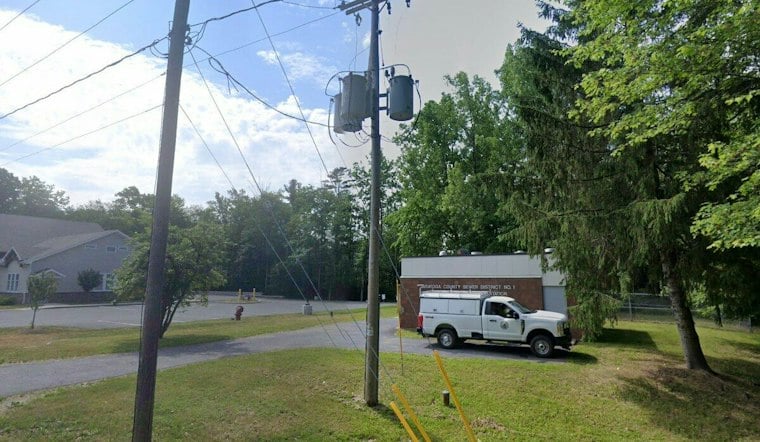
Ganong called 911, prompting a response from the Saratoga County Sheriff's Office and local firefighters, who tried pumping the sewage out of the basement, according to CBS6. County crews eventually traced the problem to a blockage in a sewer main maintained by Saratoga County Sewer District 1, clearing the obstruction with high-pressure water equipment.
The county has described how Sewer District 1 prioritizes maintenance. That approach makes the missing inspection and cleaning history relevant to understanding how the district maintains its pipes, even as the county says its review found no negligence in this case.
The damage left behind was extensive. Sheetrock and door moldings had to be replaced, and portions of the basement needed to be gutted and rebuilt, Ganong said. Cleanup and repairs totaled more than $50,000, by his account — but his homeowners insurance covered just $5,000 of that total, leaving him on the hook for the rest.
A Claim Denied, Then a Fight for Answers
About three months after the flooding, Ganong appeared before the sewer district commission, presenting photographs, documentation and an accounting of his losses. He said he was simply seeking coverage for basic losses like sheetrock and fixtures. Roughly a month later, Dan Rourke, the sewer district's executive director, sent Ganong a letter denying the claim.
Saratoga County Sewer District 1 said its findings showed no negligence on its part and that it could not compensate Ganong as a result. The county said a follow-up camera inspection found the sewer main structurally sound, and that its review turned up no evidence of equipment failure or negligence by sewer personnel, the station's report notes.
Nearly a year and a half after the flooding, Ganong is still fighting to recover his losses. When he requested evidence supporting the county's findings, he was told he would need to file a public records request — a step he criticized, given that the footage in question came from the county's own sewer camera.
Records Still Outstanding
The county declined an interview request from CBS6, which filed its own public records request for the pipe's inspection and maintenance history, along with the evidence underlying the claim denial. As of October 22, those records had not been provided, and the county has not given the station the inspection or cleaning history for the sewer main involved in Ganong's flooding.
The request and response dates would be needed to establish the timeline of the county's handling of the request under New York’s Freedom of Information Law.
County officials said public entities cannot compensate property owners without a finding of municipal fault or negligence. The county also said the blockage was cleared as a buildup described as foreign debris, though it said the exact composition could not be definitively identified. Per the same account, sewer backups commonly result from grease, fats, oils and other materials that do not break down in sewer systems.
How Sewer District Maintenance Works
Saratoga County said Sewer District 1 prioritizes maintenance based on risk factors such as pipe age, previous problems, potential root intrusion and proximity to environmentally sensitive areas. That targeted approach, the county said, lets the district focus resources on infrastructure considered most likely to experience problems — though it acknowledged blockages can still occur in pipes without known risk factors, particularly when inappropriate materials enter the system.
What Homeowners Are Up Against
Greg Rinckey, an attorney not involved in Ganong's case, said municipal ownership or maintenance of a sewer line does not automatically establish government legal responsibility for backup damages. Homeowners must prove municipal negligence to establish liability, he said, which may involve showing the municipality knew of a problem or failed to inspect its sewer lines, leading to a backup.
Rinckey said maintenance records and inspection reports could be critical to determining whether a municipality reasonably maintained its sewer infrastructure — and that the absence of such records could itself serve as evidence of negligence. He added that proving negligence can be difficult and potentially expensive for homeowners, particularly when expert testimony and technical evidence are required. Whether a municipality breached its duty regarding sewer infrastructure, he said, requires case-specific examination, since municipalities generally have a duty to maintain and repair that infrastructure.





