

























































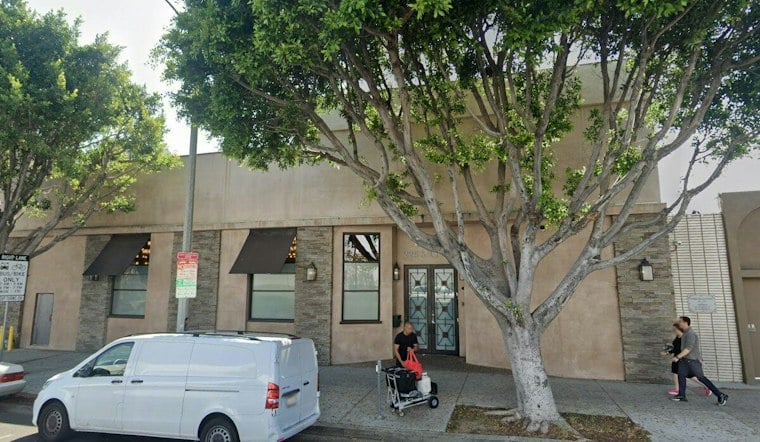
The Central Los Angeles Area Planning Commission voted 4 to 1 on August 25 to partly grant an appeal over Beis Medrash of Hancock Park's Conditional Use Permit. The decision reduced the main building's allowed occupancy to 75 people and limited child care in the converted garage to 30 children. The vote followed a hearing that lasted nearly eight hours and ended just before midnight.
The vote, first detailed by Larchmont Buzz, preserved the core of the synagogue's permit even as it tightened the restrictions around it. Commissioners upheld the zoning administrator's underlying approval of the congregation and its environmental clearance, but they also expanded the authorized prayer schedule to include daily afternoon and evening services, according to the outlet. The synagogue, formally known as Beis Medrash of Hancock Park, operates at 200-202 S. Orange Drive in the Citrus Square area out of a former residential duplex and its converted garage, in a neighborhood listed on the National Register of Historic Places.
A Years-Long Dispute Over Noise, Parking and a House of Worship
The dispute developed amid complaints about the property's use as a house of worship, including concerns about noise, crowding and blocked streets. The Greater Wilshire Neighborhood Council's land use committee heard formal complaints in October 2023. According to Larchmont Buzz's account, the congregation applied for a Conditional Use Permit in early 2025 after the neighborhood council, City Council District 5 and the city urged it to do so.
A zoning administrator approved that permit in spring 2026, but neighbors appealed the decision, arguing the approved terms didn't match the realities of a dense residential block. The occupancy limits commissioners ultimately set are lower than what the original permit would have allowed, a shift that reflected concerns raised throughout the appeal process.
Neighbor Leader Says Permit Now Matches the Property's Real Capacity
Leslie Maisel, an appellant and member of the Citrus Square Neighbors Association, wrote to the commission on the day of the vote. In comments reported by Larchmont Buzz, Maisel said the commission's occupancy decision reflected the building's size, its proximity to neighbors and its residential design, as well as parking, noise and safety impacts.
The Citrus Square Neighbors Association said its appeal sought conditions that would let the synagogue continue operating while addressing neighborhood impacts and protecting the historic district's residential character, according to Larchmont Buzz. The association credited Councilmember Katy Yaroslavsky and her staff for their role in the outcome.
New Rules Cover Noise Complaints, Compliance Checks and Ownership Changes
Larchmont Buzz reported that commissioners adopted most of the contested conditions proposed in writing by City Council District 5. The requirements include naming an on-call contact who must respond to noise or other complaints within 24 hours. A change of owner or operator will require new plan approval before taking effect.
The conditions also set deadlines for the synagogue to obtain a Replacement Unit Determination from the Los Angeles Housing Department, which decides how rental units removed from the market must be replaced. Missing the deadline would violate the permit conditions, according to Larchmont Buzz. Commissioners required quarterly good-neighbor meetings involving the Greater Wilshire Neighborhood Council and City Council District 5, and set a formal compliance review for 18 to 24 months after the decision takes effect. That review is scheduled later than neighbors and City Council District 5 had requested. The commission declined several other conditions sought by neighbors.
Why the New Rules Haven't Kicked In Yet
The restrictions are not yet in force. Larchmont Buzz reported that the zoning administrator must revise the Letter of Determination to reflect the commission's vote, a process expected to take 45 to 60 days. The conditions take effect when the letter is delivered to all parties; that delivery also starts the deadlines set out in the letter.
How zoning and historic review apply
A 2022 Los Angeles Department of City Planning memo assigns House of Worship the same use permissions as Church in the city’s Use List; that general classification does not determine this property's zoning or permit terms. The department also explains that conditional-use permits allow planning officials to assess potential land-use conflicts and impose conditions to control noise.
California State Parks’ Office of Historic Preservation says National Register listing may lead to locally administered design or environmental review under CEQA or local zoning and land-use rules. That general guidance does not establish whether the synagogue property itself is listed or identify the boundaries and resources covered by Citrus Square’s listing.




