

























































Hawaiʻi's Department of Agriculture and Biosecurity is opening its doors to the first class of a brand-new training pipeline meant to put more boots on the ground at the state's airports and harbors. Up to 20 recruits will be selected for a five-month Biosecurity Academy that starts in November, with the goal of churning out trained inspectors who can screen incoming passengers and cargo for invasive pests before they reach local stores.
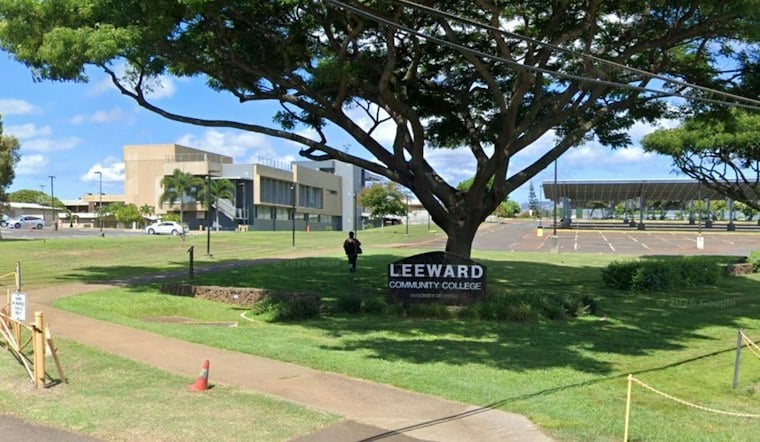
The academy is a partnership between the department and Leeward Community College's Office of Workforce Development, which is set to accept its first students, according to Hawaii News Now. Graduates will eventually work for the department's Plant Quarantine Branch, the agency tasked with keeping invasive species out of the islands. Applications opened Saturday, Oct. 3, at 12:01 a.m., and every applicant must hold a four-year college degree.
A Direct Pipeline Into a Historic Agency
Department of Agriculture and Biosecurity Chair Sharon Hurd said the new academy will provide a flexible path for graduates looking for a position as a biosecurity inspector, per the same Hawaii News Now report. The program is designed to feed directly into the Plant Quarantine Branch, a division with roots stretching back more than a century. The branch was established in 1888 under King David Kalākaua specifically to prevent pests from damaging island-grown coffee, and it still screens incoming passengers and cargo at airports and harbors for pests or microorganisms in fruits, vegetables and seafood destined for local stores and restaurants.
The agency currently has the resources to inspect about 15% of inbound agricultural goods, according to Civil Beat, and just 0.03% of the more than 9 million lots inspected in fiscal year 2024 were ultimately rejected or destroyed. Bringing on more trained inspectors through the new academy is meant to help close that gap by checking cargo at airports and harbors and providing a fast response to pressing invasive-species needs across the state.
Funding and Legislative Pressure Behind the Push
The academy arrives amid a broader legislative effort to shore up the state's defenses against invasive species. The department has gained over $25 million in funding over the past two years for additional staff and stronger invasive-species control, Civil Beat reported separately.
That legislation also renamed the former Department of Agriculture as the Department of Agriculture and Biosecurity, according to Civil Beat's reporting. Hawaiʻi's invasive pest problem spans a thick catalog of species, including coconut rhinoceros beetles, little fire ants and coqui frogs, the outlet noted.
Looking Abroad for a Model
As Hawaiʻi lawmakers push for stronger enforcement, some have looked to New Zealand's stricter biosecurity system as a possible model, hoping to employ similar tactics locally, Civil Beat reported. The new academy represents a concrete, near-term step toward building out the inspector workforce the department says it needs.
For now, the focus is on filling the academy's first cohort. Prospective applicants can reach the program by phone at 808-973-9560 or by email at [email protected] as the recruitment process gets underway ahead of the November start date.





