

























































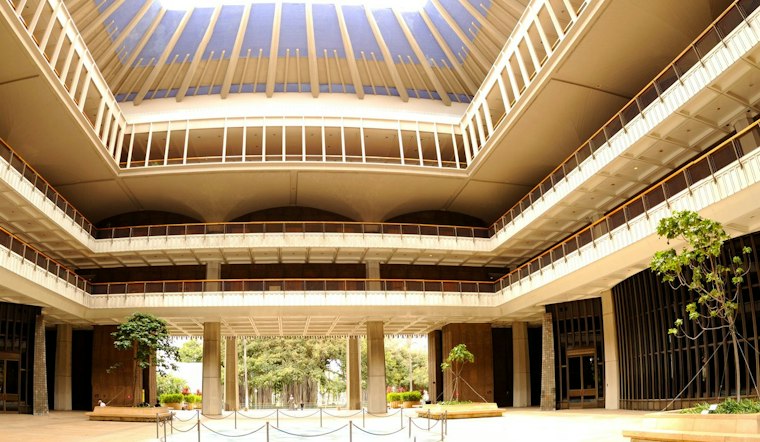
Hawaiʻi’s next generation of climate leaders, student advocates and young visionaries are invited to the Youth Climate Summit at the State Capitol on Saturday, Oct. 24, 2026, where they’ll trade classroom lessons for face time with the lawmakers who write the state’s environmental rules. The event runs from noon to 3 p.m. at the Capitol Rotunda in Honolulu and will bring together keiki, teens and young adults from throughout the islands.
According to the Hawaiʻi Department of Land and Natural Resources, the summit is co-hosted by the Hawaiʻi State Climate Change Mitigation and Adaptation Commission and the Climate Future Forum. As reported by Kauai Now, the summit is designed to give participants direct engagement with policymakers while teaching them how to master the legislative process. Organizers say the goal is to champion real action for a healthier, safer and more affordable Hawaiʻi.
From Classroom Ideas to Legislative Proposals
Participants won’t just listen to speeches. Per Kauai Now’s reporting, attendees will learn to draft legislative proposals, build communications skills and practice presenting directly to lawmakers. The hands-on approach mirrors the structure of the broader Climate Future Forum, which the Climate Future Forum says is open to anyone ages 14 to 26 from across Hawaiʻi, with no prior experience required.
That forum organizes youth-led focus groups across eight policy areas, according to the same Climate Future Forum event page, and includes face-to-face meet-and-greets with Hawaiʻi House and Senate members. The group’s policy hub notes that at its annual summit, youth work in focus groups across all eight areas to identify the bills that matter most for Hawaiʻi’s climate future, with Youth Policy Leaders later researching those bills, writing testimony and showing up to committee hearings throughout the legislative session.
Past Participants Point to Real Policy Influence
Kauai Now reports that past youth participants have co-authored a dedicated youth chapter in the Hawaiʻi Climate Action Pathways Plan, and summit organizers say attendees can pitch their vision, collaborate with decision-makers and advance legislative solutions for their local communities. One former summit participant told Kauai Now that young voices are essential to the climate movement because the decisions being made today directly define the world we inherit tomorrow. Another former participant said that “our lived experiences and insights matter, and the Youth Climate Summit provides a crucial platform that allows us to turn our shared concern into legislative solutions for Hawaiʻi’s future.”
The event has grown in recent years. The 2025 Climate Future Forum drew 163 attendees, including 47 youth leaders and 18 legislators, with representatives from 15 schools and 10 organizations across Hawaiʻi, per the Climate Future Forum’s own event page. That 2025 gathering was hosted by the Hawaiʻi State Climate Change Mitigation and Adaptation Commission, according to Hawaiʻi Public Radio, and brought together lawmakers, environmental specialists and climate change experts to advance climate-focused policies.
Festivities Round Out the Policy Work
Beyond the legislative training, Kauai Now’s reporting describes a lineup of festivities planned for this year’s summit, including live local music, free lunch while supplies last, networking with environmental groups and eco-friendly prize giveaways. Registration is being accepted online, the outlet notes. Climate outreach leader Bill Unruh can provide additional information and answer questions by email, according to the report.
The format echoes past events even as exact details have shifted year to year. The 2024 Youth Climate Summit, which Hawaiʻi News Now covered, was held in the Capitol Rotunda from noon to 2:30 p.m. and brought together youth ages 14 to 26 alongside educators, policymakers, experts and community organizations; that free event included lunch, live music, networking with nonprofits and government agencies, and a prize giveaway, aimed at giving young people a voice in shaping climate policy. The 2025 edition, per Hawaiʻi Public Radio’s account, ran from 9 a.m. to 4 p.m. and required registration by Oct. 31 of that year.





