

























































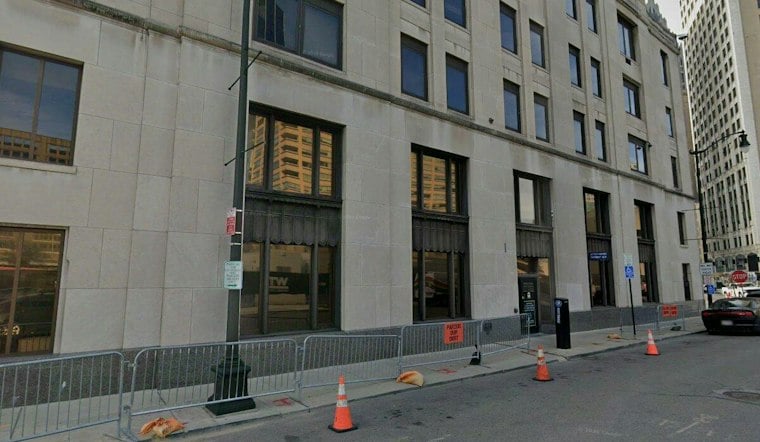
Highland Park residents gathered outside the Great Lakes Water Authority's headquarters this week, demanding the agency return $1.5 million they say was wrongly billed to their small city for sewer service. The protest came as the long-running dispute between Highland Park and GLWA over water and sewer charges moves toward arbitration, with no resolution yet in sight.
Residents spent Wednesday demanding change outside the authority's headquarters, according to WXYZ. The demonstration coincided with a GLWA meeting where, as Planet Detroit reports, Highland Park residents formally brought allegations of $1.5 million in sewer fee overcharges tied to fiscal year 2026. As FOX 2 Detroit reported, the standoff pits a cash-strapped city against the regional authority that treats its wastewater.
Cidia Wicker-Brown told FOX 2 Detroit that homeowners have faced the threat of water bills being added to their property taxes, with some families at risk of losing their homes over unpaid charges. She called on GLWA to lower rates and return the disputed $1.5 million to Highland Park residents.
A Billing Gap Residents Call Dramatic
At the center of the dispute is a wide gap between what Highland Park pays and what it says its actual sewage flow justifies. Highland Park contends it is charged 2.065% of the region's $80 million in annual combined sewer overflow costs, even though its true, measured share of that volume is just 0.21%, per the same Planet Detroit report — a tenfold difference, according to the city's calculations.
Highland Park Mayor Glenda McDonald told FOX 2 Detroit that the city is charged four times as much as other small cities with similar populations, and she called on GLWA to honor its agreement with Highland Park and repay the money the city says it was overcharged. A separate court filing described the gap differently, with Courthouse News reporting that Highland Park alleges it is charged more than three times as much for sewer services as other similarly situated wholesale customers.
GLWA's FY 2026 Cost of Service Study is part of the discussion over Highland Park's sewer charges.
GLWA Pushes Back, Points to Arbitration
GLWA has rejected Highland Park's request outright. The authority said an adjustment to Highland Park's charges is not appropriate under the existing agreements, according to the statement WXYZ obtained, and the two sides have agreed to resolve their outstanding disputes through arbitration rather than further public dispute. GLWA said it expects a timely and final resolution through that process, per its statement, while continuing to oppose Highland Park's underlying challenge to the charges.
John Conyers III said Highland Park would continue seeking an explanation of the charges and relief for residents, according to FOX 2 Detroit's reporting. GLWA's cost-of-service study notes that Highland Park's units of service were adjusted to align with a recently negotiated term sheet between the two parties, a document that also laid out how future disagreements would be handled.
How the Dispute Got Here
Highland Park and GLWA have agreed to resolve their outstanding disputes through arbitration. That same term sheet had offered Highland Park a temporary $60,000-per-month credit on its sewage charges starting January 1, 2024, a credit set to expire no later than June 30, 2025.
That timeline lines up with a broader financial reckoning for Highland Park. The city began paying the full amount of its GLWA water and wastewater treatment charges in January 2024, after years of paying only 65%, according to Outlier Media. The shift hit residents hard — Outlier Media's reporting found resident Kenneth Woolridge's bill jumped from $76.67 in December to $134.22 the next month, a 75% increase in a single billing cycle. An independent third-party analyst was expected to begin helping set Highland Park's customer rates starting that July, alongside new temporary wastewater and master water meters meant to improve measurement accuracy, the outlet reported.
A 2024 settlement between Highland Park and GLWA ended years of litigation and included $70 million in state funding for the city's water infrastructure, Planet Detroit notes. Despite that settlement, Highland Park residents have continued to see steep bill increases; a separate Planet Detroit report found that water bills in the city doubled or tripled over the following year after the settlement added new readiness-to-serve charges on top of existing rates.
Regionwide Rate Hikes Add to the Pressure
Highland Park's fight is unfolding against a backdrop of rising rates across the entire system GLWA serves. The authority voted to raise water rates for metro Detroit systems by 5.9% and sewer rates by 4.5%, a move Planet Detroit's earlier coverage shows was actually a reduction from the 7.73% water hike and 5.39% sewer hike GLWA had initially proposed. GLWA had separately proposed average charge adjustments of 3.25% for water-system member partners, including Detroit, and 3% for sewer-system member partners, according to Outlier Media's reporting from that period.
Michigan law gives municipalities significant leverage to collect on unpaid water bills. Under Michigan Compiled Laws Section 123.162, a municipality operating a water or sewage system holds a lien on the relevant house, building, premises or parcel as security for unpaid or future water and sewer charges — the same legal mechanism that can result in unpaid bills being added to property tax rolls, a threat Wicker-Brown said Highland Park homeowners faced.
For now, the dispute's resolution rests with the arbitration process both sides agreed to pursue. Highland Park officials say they intend to keep pressing for an explanation of how the charges were calculated and for relief for residents footing the bill, while GLWA maintains its position that no adjustment is warranted under the agreements already in place.





