

























































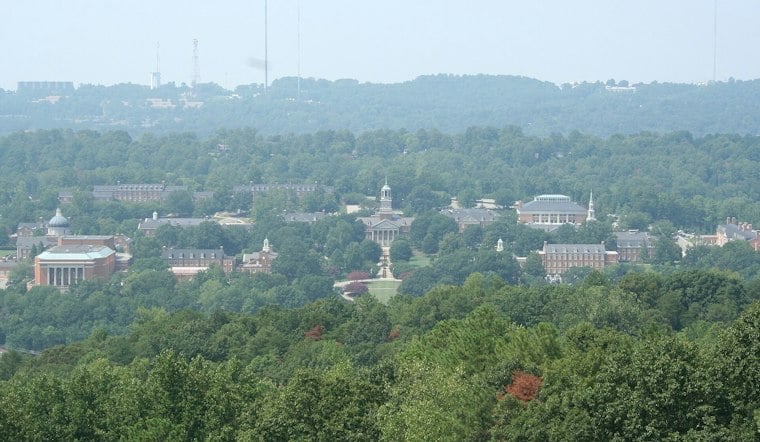
The Homewood City Council unanimously approved a new student-housing development for Samford University's South Campus on Monday evening, clearing the way for two six-story buildings with 494 beds, retail space, additional parking and new pedestrian walkways. Construction is expected to begin in January 2027 and wrap up by August 2028, according to university leadership.
The vote caps a long and sometimes contentious path for Samford's expansion plans. As reported by al.com, the project follows a unanimous recommendation from the Homewood Planning Commission in August. The city's own summary of Monday's meeting states plainly that the final development plan for Samford's South Campus housing project received approval, allowing the university to move forward with its plans, according to the City of Homewood.
From a $700 Million Mega-Project to a Scaled-Back Plan
What council members approved this week looks nothing like what Samford and its development partners originally pitched. Back in 2025, the university and its partners planned a $700 million, 27-acre Creekside development that would have brought a hotel, restaurants and 435 housing units to the area, per al.com's reporting. That version drew sustained pushback from residents, who voiced concerns about traffic, stormwater management and the surrounding salamander habitat.
Those objections centered on environmental concerns tied to the Shades Creek watershed and salamander population, and they proved powerful enough to reshape the entire project. Samford and its partners modified, and ultimately dropped, the larger Creekside plan altogether after the community pushback, the outlet reports. The approved South Campus plan represents a far smaller footprint than what was originally envisioned for the site.
City Officials Say Environmental Impact Was a Priority
Homewood zoning administrator Conrad Garrison addressed the environmental concerns directly at a recent city council work session, saying the planning commission worked to ensure the student housing development has little negative environmental impact, according to al.com's account. That statement reflects the city's effort to answer the habitat and stormwater questions that dogged the earlier, larger proposal before officials would sign off on any version of the project.
Colin Coyne, Samford's vice president for finance and business affairs, fielded questions from city leaders about development expectations, leasing terms and stormwater management as the plan moved through the approval process, the outlet reports. Coyne said residents' and city leadership's questions were considered and that traffic and environmental concerns were addressed in the revised plan.
Why Samford Needs the Beds
The push for more housing comes as Samford works through a period of rapid growth. The university opened the 2025 fall semester with its largest-ever enrollment of 6,324 students, according to Samford University, which also reported that enrollment has climbed nearly 36% since 2009. The school enrolled 1,156 first-year full-time students in 2025, up 6.3% from the prior year, per the same release.
Samford has said it wants approximately 75% of its students living on campus, a target cited by ABC 3340. Without the new housing, Coyne said, the percentage of students living on campus would have dropped to about 58%, al.com reported. The new buildings will increase the university's on-campus housing capacity to about 3,500 beds.
Coyne framed the project as necessary for the university's trajectory, saying the development will allow Samford to continue growing at a disciplined rate and will help address student needs, according to al.com. He also said the additional housing will improve student outcomes, and that Samford appreciates Homewood's support and its partnership through the years.
Ownership and Ground Lease Still Taking Shape
One detail that has drawn city scrutiny is who will actually own and manage the new buildings. Samford intends to retain ownership of the land while a separate entity owns and operates the student housing buildings under a long-term ground lease, ABC 3340 reported. Earlier reporting from the outlet indicated the ground lease was still being negotiated and could run roughly 40 years, with the tax treatment of the buildings and any commercial space not yet finalized.
The scaled-back approach is a significant retreat from the original ambitions for the site. Samford has said the revised South Campus proposal represents only about 20% of the scope of the original Creekside vision, according to ABC 3340's earlier coverage of the plan's advancement. That framing underscores just how much the project shrank in response to community and environmental concerns before it reached Monday's final vote.



