

























































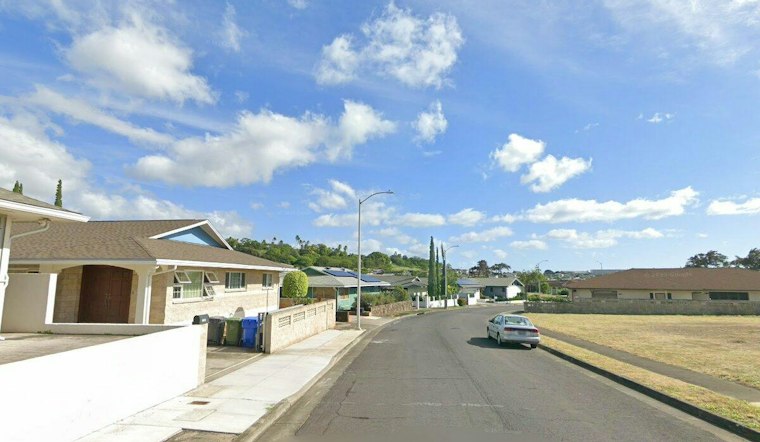
Brad Kimura was walking his rescue dog Maya down Ala Naupaka Street in Salt Lake on October 21, 2024, when his foot caught a three-inch crack in the sidewalk. He went down hard, and when police arrived, the 53-year-old was conscious but could not move more than a few feet past the break in the concrete. He told an officer he could not feel his extremities. He would never walk again, and nine months later, he was dead.
The City and County of Honolulu has agreed to pay Kimura's family $2.5 million to settle the lawsuit that followed, according to Hawaii News Now. Kimura became quadriplegic immediately after the fall and died of pneumonia nine months later, the station reports. A Honolulu City Council document lists a settlement matter captioned Kimura v. City and County of Honolulu, et al., though the publicly available excerpt does not spell out the full terms of the agreement.
What makes the case especially painful for Kimura's family is how long the hazard had been sitting in plain sight. The station's report found the crack had been growing for at least nine years before Kimura fell, widening to the three-inch lip that caught his foot. City road crews reportedly repaired other sections of sidewalk on Ala Naupaka Street during that span but failed to repair or even report the crack that eventually injured him.
A Work Order Came Two Weeks Too Late
The Kimura family filed suit in April 2025, and just two weeks later, the City of Honolulu issued a work order to fix the crack, per the same report. But the fix itself did not happen quickly. City workers did not actually replace the damaged sidewalk section until November 2025 — seven months after the work order was issued, and more than a year after Kimura's fall.
Attorney Mike Cruise, who represented the Kimura family, said the city did not follow its own repair policy even after the accident that injured his client. Honolulu's sidewalk maintenance policy calls for proactive inspections of high-pedestrian areas and locations with known problems, and it prioritizes cracks that cause trips for repair within 30 days, according to the station's reporting.
Tyler Sugihara, the former chief of the city's Division of Road Maintenance, told the outlet that the requirement for proactive inspections had never actually been implemented. He said the city lacked the staff inspectors needed for truly proactive sidewalk checks, and that crews likely never noticed the crack even as they worked nearby.
Kimura's Final Months
Cruise said Kimura's most immediate concern after the fall was not for himself, but for who would care for his parents. Mildred Tamashiro, a family member, said relatives learned Kimura had been alone at a hospice facility when they were called on the morning he died. Cruise said the settlement could not make up for a productive life cut short, but that it would help ensure Kimura's wish to look after his parents was fulfilled.
City Response and Broader Sidewalk Concerns
The City of Honolulu declined to comment on the lawsuit or say whether sidewalk repair response times had improved since Kimura's death, the station reports. The city did say it had established a 311 call-in program after the accident so residents can report broken sidewalks and other hazards and track the city's response. Officials also acknowledged that injuries from sidewalk cracks — including some caused by city trees — are common, though the city said it was unclear whether anyone else had died from a sidewalk fall in Honolulu.
The city's own open data shows cracked sidewalks are a recurring category of complaint alongside broken streetlights and abandoned vehicles reported through the HNL 311 application. Elsewhere, the Department of Facility Maintenance has leaned on community partnerships to chip away at the backlog, including an effort with the Hawai‘i Kai Lions Club to inspect and patch concrete hazards along Keahole Street.
Under Hawai‘i law, counties can be held liable for injuries occurring on public sidewalks, but HRS §46-72 requires written notice of the injury and specific damages within two years after the injury accrued. A separate Honolulu committee report references a $1,400,000 settlement tied to a lawsuit, though the available excerpt does not identify which case it concerns, and it should not be read as connected to the Kimura settlement without further confirmation.





