

























































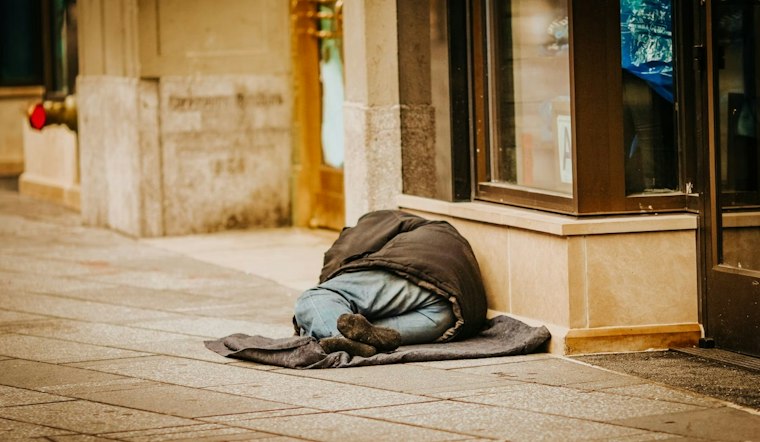
Houston’s latest homelessness count offers a useful baseline for its new $48 million effort, but not a tally of everyone the initiative may encounter. The 2026 Point-in-Time Count recorded 3,321 people experiencing homelessness across Harris, Fort Bend and Montgomery counties on one February night, nearly unchanged from 3,325 in 2025. The Coalition for the Homeless of Houston and Harris County cautions that the count is a snapshot, not a measure of all people experiencing homelessness over a year.
The separate estimate that about 5,700 people seek help in the region annually describes a different population and time frame. Houston’s new Pathways 2 Independence initiative is designed for people who have been without housing for at least 90 days. Announced Wednesday, the three-year effort has raised $34 million toward a $48 million target, with the Coalition operating it alongside the city and Harris County, according to Houston Public Media’s report on the announcement.
Different needs, different measures
The Coalition estimates that about 40% of people seeking help need traditional housing interventions or more intensive care; others may be able to stabilize with quicker, adaptable support. Pathways 2 Independence is intended to give local organizations more latitude to respond, with money from the Brown, Cullen, Houston Endowment, Kinder and Sarofim foundations. Officials have discussed short-term housing assistance for people leaving jail as one possible use, not a defined placement outcome. The philanthropic commitment lasts three years, and the Coalition hopes other funding will follow; how the effort will be financed afterward remains unresolved, Houston Public Media reported.
That flexibility sits alongside a regional response already involving many organizations. The Coalition says more than 100 partners collaborate through The Way Home on programs based on a Housing First model. Separately, its FY25 system-performance report noted fewer people entering shelter or transitional housing for the first time, partly because bed capacity had decreased. That measure concerns shelter entry, not the annual Point-in-Time count or results from Pathways 2 Independence.
Early center figures are not yet long-term results
The city’s East Downtown residential treatment center, which opened in late May, has served more than 420 people, with about 110 reaching what Housing Director Mike Nichols called positive placements. About 150 people who left had no known outcome, Houston Public Media reported. The center is voluntary, and people who remain there average more than 60 days. These figures describe the center’s activity; they do not establish what outcomes Pathways 2 Independence will achieve.
Houston’s broader trend provides another point of comparison, but not a forecast for the new program. County Judge Lina Hidalgo has said homelessness in Harris County fell by more than 16% from 2018 to 2026, while the Coalition reports that annual counts have declined from more than 8,000 about 15 years ago to fewer than 3,500 in recent years. The Coalition’s long-running Way Home effort and the new initiative have different scopes and measures, so the region’s past decline alone cannot show whether Pathways 2 Independence will meet its goal.
Mayor John Whitmire made ending street homelessness a priority in 2024. After officials missed a $70 million annual funding target, they narrowed the goal earlier this year to reducing street homelessness. Pathways 2 Independence renews the broader ambition, but its progress will need to be judged against clear measures of housing placements and stability—and against what happens when its initial philanthropic funding ends.





