

























































On March 4, 2024, Rajendra Gudur was taking out his trash when he saw a Houston garbage truck coming up the street, according to Chron. He tried to flag down the truck, banging on its side to get the driver's attention, then lost his balance and fell, hitting his head. He later died from his injuries. A Texas appeals court has now allowed his widow's lawsuit against the city to proceed.
Houston Pedestrian Safety in Context
Pedestrian-safety figures provide citywide context but do not explain Gudur's fall: the City of Houston's Vision Zero 2022 Annual Report recorded nine more pedestrian deaths and 24 more serious pedestrian injuries in 2022 than in 2021. Those totals do not establish what happened in Gudur's case.
Appeals Court Leaves Immunity Dispute for Further Proceedings
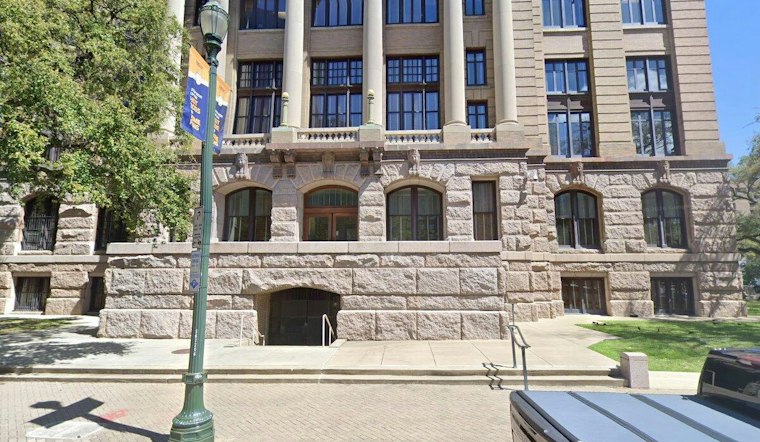
On Oct. 1, the Texas 14th Court of Appeals affirmed a lower court's refusal to dismiss Sathya Rajendra's lawsuit, according to Chron. Houston had argued governmental immunity barred the case. The appeals court concluded the allegations met the legal threshold that Gudur's injuries arose from the operation or use of a city-owned motor vehicle.
The decision allows the claim to continue; it does not decide whether the city is liable for Gudur's death. The panel found the alleged interaction with the truck and the driver's failure to stop provided a legal basis for Rajendra's claim, and it could not conclude that the alleged failure to stop was too geographically or temporally distant from Gudur's fall, Chron reported.
The Ruling Does Not Resolve Liability
Maverick Ray, a Houston personal injury attorney who reviewed the case for Chron, said the ruling clears a procedural obstacle but does not establish that Houston owes the family damages. He also said Texas law does not give a city immunity solely because an injured person made a bad decision.
Ray told Chron that discovery may examine the truck's speed, whether the driver could have prevented the incident and what the driver was required to do after seeing Gudur. Houston could later seek summary judgment after discovery, the outlet reported.
How Fault Could Affect Any Recovery
If the case reaches trial, Texas's proportionate-responsibility rules could allow a jury to assign fault to Gudur and the city. Under the Texas statute, a claimant found more than 50 percent responsible cannot recover damages; if the claimant's share is 50 percent or less, any recovery is reduced by that share.
The city of Houston told Chron it could not comment because the matter is currently in litigation. Houston had already asked for — and received — more time to weigh its next move: as reported by Chron, the 14th Court of Appeals granted the city's request on Oct. 9 to extend its deadline to seek a rehearing through Oct. 23.
For now, the ruling determines only that Sathya Rajendra's allegations can proceed. It does not settle whether the city, the driver or Gudur bears responsibility for what happened in March 2024.





