

























































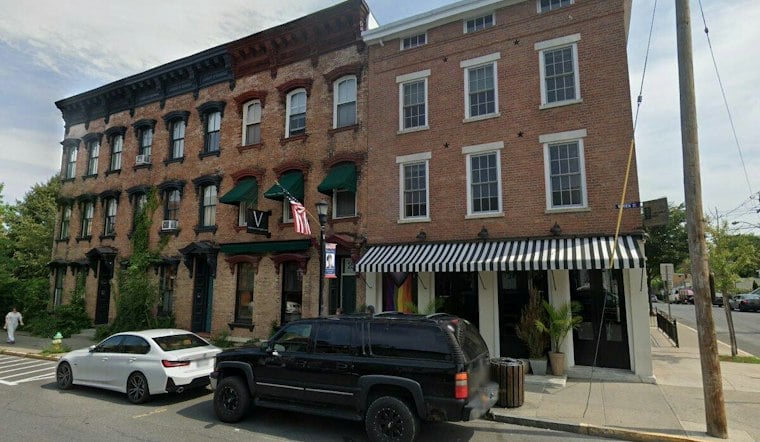
The dispute over a proposed cannabis dispensary 345 feet from Riverbend turned on two questions: whether the state could waive its distance rule and whether Riverbend showed legally sufficient harm to block the license. An Albany judge dismissed Riverbend’s lawsuit Monday, finding it had not shown the required harm and clearing the way for Bill Hughes’ planned Blaze NY.
Justice William Little of the Albany Supreme Court dismissed the case in an Oct. 26 ruling, according to The Daily Gazette. Riverbend, at 531 Warren St. in Hudson, had challenged the Cannabis Control Board’s May 2025 approval of a license for Hughes’ proposed shop at 519 Columbia St., 345 feet north of Riverbend.
A Waiver That Sidestepped the 2,000-Foot Rule
State regulations generally require a 2,000-foot buffer between dispensaries in municipalities with fewer than 20,000 residents, a category that includes Hudson. The Cannabis Control Board may waive that distance through a public-convenience-and-advantage request if it determines the community would benefit, according to the station’s report. The board approved Blaze NY’s license through that process.
What the Waiver Process Weighs
The Cannabis Control Board’s May 20, 2025, meeting minutes describe the public-convenience-and-advantage process as a way for applicants to seek approval for a location within 1,000 or 2,000 feet of another retail dispensary. Under Resolution No. 2025-38, the board’s factors include the number and type of nearby licenses, demonstrated need, required permits, and potential effects on traffic and parking.
Riverbend challenged the board’s decision on several grounds, arguing it overlooked possible market oversaturation and a state Office of Cannabis Management recommendation against the waiver. The company also alleged the board relied on misleading or inaccurate information and misrepresented community support while disregarding opposition, according to The Daily Gazette. Little found the board had considered the waiver over two meetings before deciding.
Judge Says Competition Fears Don't Clear the Bar
Little’s ruling distinguished the effect on a competitor from the public factors the board must consider. He concluded that anticipated economic harm from market saturation or competition did not meet the threshold Riverbend needed to establish, and that the company had not shown the board ignored legally required factors. He dismissed the case, finding the board’s approval had a rational basis and was not arbitrary or capricious.
Riverbend co-owner Rudy Huston told The Daily Gazette that his company had followed the rules during its own approval process and argued the board’s waiver decision relied on considerations that were not part of the regulations then in effect. He also said Hudson’s cannabis tax revenue had come in at less than half the city’s projections and argued another shop 345 feet away would divide the customer base in a way that made no business sense. Huston said Riverbend was disappointed by the ruling but wished Blaze well.
Hudson's Dispensary Field Keeps Growing
Riverbend opened in July 2024 as the first legal dispensary in Columbia and Greene counties, after receiving a conditional adult-use retail license as a justice-involved applicant directly affected by New York’s cannabis prohibition. The shop says it plans to serve Hudson, support state farms and producers, and offer knowledgeable service and curated cannabis products. Accounts differ on the number of dispensaries in Hudson: Gotham Cannabis, at 260 Warren St., has been described as the city’s third dispensary, while a Times Union report described two shops in the city—Riverbend and Gotham NYC—and said a third location mentioned in the litigation was outside city limits in Greenport.
State law gives the Cannabis Control Board sole discretion to grant distance-regulation waivers and directs it to weigh the public impact of a nearby dispensary rather than the effect on a competing business. The board must also work to avoid market dominance, promote small-business development, and consider people affected by cannabis criminalization.
Hughes Presses Ahead Despite Legal Delay
Hughes told The Daily Gazette in September that the legal fight had led him and his partners to bring in a new set of investors. He welcomed the dismissal and said he had considered the lawsuit unnecessary, adding that his goal was to make a living and help the community where he was born and raised. Hughes, a former Hudson 2nd Ward supervisor and common councilmember, hopes to open Blaze NY next spring.
Hughes has paused plans for an onsite cannabis-consumption lounge because the state isn't expected to grant lounge licenses for the foreseeable future, though he said state law allows for them and he expects New York to eventually approve the format. In the meantime, he hopes to use extra space in the shop to showcase local artists.





