

























































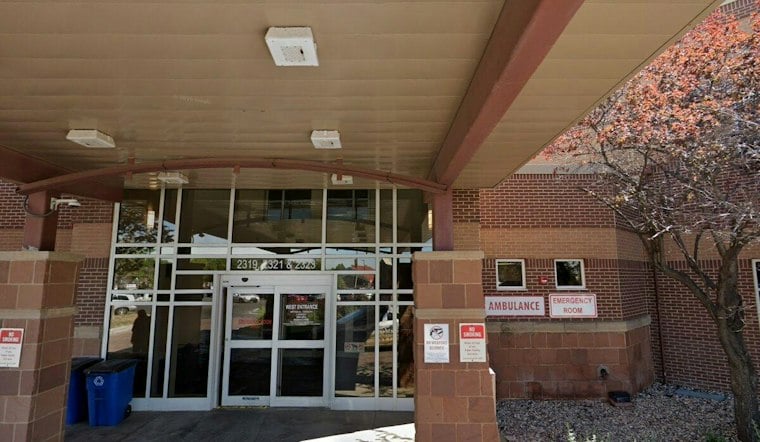
Idaho has finished handing out its first round of federal rural health money, spreading roughly $186 million across nearly 115 subgrants that will fund mobile clinics, hospital upgrades, cancer screenings and emergency communications in small towns and tribal communities across the state. The money touches everything from a pediatric hearing van to a tiny-town ambulance service, and state officials say every dollar of the first installment has now been committed.
According to the Idaho Capital Sun, Idaho spent all of its approximately $186 million grant on rural and tribal healthcare projects, with officials awarding nearly 115 subgrants to organizations statewide. The funded programs span healthcare workforce development, chronic-disease prevention, cancer screening, rural hospital infrastructure, substance-use-disorder prevention, maternal and child health, and 911 communications improvements. Idaho Education News reports the state awarded $186 million in federal rural healthcare grants in all.
KMVT describes the first-year awards as supporting five main areas: technology-based access expansion, new care models, workforce development, prevention and chronic-disease programs, and infrastructure and partnerships, according to the station's report. Idaho is expected to receive nearly $1 billion over five years from the Centers for Medicare and Medicaid Services under the program, per the same account, though the money arrives in annual installments tied to performance.
Mobile Clinics Reach Idaho's Most Remote Corners
Some of the most tangible projects involve bringing care directly to patients who live far from a hospital or specialist. Idaho Educational Services for the Deaf and the Blind received $897,788 for a statewide pediatric mobile hearing clinic, intended to bring specialized hearing testing for infants and young children in rural and frontier communities, the Idaho Capital Sun reported.
Mountain View Hospital was awarded $2.26 million for a mobile clinic to serve five eastern Idaho counties, while St. Luke's Health System received $1.59 million for a mobile screening program initially serving Twin Falls and Canyon counties, according to the Idaho Capital Sun. KMVT put the Mountain View figure at $2,255,219 for the eastern Idaho mobile clinic. Reports diverge on the dental side: the Idaho Capital Sun reported Shine Dental Co. received $1.54 million for a mobile dental clinic serving Kootenai, Bonner and Benewah counties, while KMVT reported the figure at approximately $1.53 million for the same project.
Emergency services got a boost too. The City of Riggins Ambulance received $507,000 to improve emergency medical services, per the Idaho Capital Sun, and the Center for Behavior Health received $1,237,795.36 for two rural medication units in Twin Falls and Bonneville counties, according to KMVT.
Hospital Infrastructure and Workforce Pipelines
Larger infrastructure awards went toward modernizing aging rural hospitals. St. Mary's in Cottonwood was awarded more than $4.8 million for infrastructure improvements, including a planned MRI purchase and replacement of aging X-ray equipment, the Idaho Capital Sun reported. Benewah Community Hospital received over $6.6 million to modernize rural healthcare infrastructure, according to the Idaho Capital Sun, though KMVT reported the figure at around $6.65 million for the same clinic modernization project.
Workforce development claimed a significant share of the money as well. Idaho Education News reports that rural student healthcare career initiatives will receive about $12.5 million spread across 11 initiatives, including co-ops involving multiple colleges and universities. The State Board of Education is set to receive $8 million for rural medical fellowships and residencies, while a Boise State University-led mobile simulation lab project aimed at bringing clinical training to rural communities will receive $4.3 million, per the outlet.
The University of Idaho is slated to receive $2 million to create a statewide chronic disease education network, and Idaho State University will receive $2 million for a cognitive care pathway network, according to Idaho Education News. The University of Idaho and Eat Smart Idaho will also share nearly $1.6 million for chronic disease prevention and cancer screening programs, and the University of Idaho will receive close to $1.2 million for a pediatric psychiatric assistance line and other mental and behavioral health programs. In all, Idaho allocated more than $20 million of the grants to education-related programs, per the outlet's reporting.
Gov. Brad Little said affordable, accessible health care is a real concern for many Idaho families, especially in rural areas, and that the investment recognizes those challenges and directs resources where they are most needed, according to Idaho Education News. Julie Vanorden, a Republican senator from Pingree and co-chair of the Legislative Oversight Committee, said she was proud of the work and expected the investments to improve care for Idaho families, per the outlet.
What the Grants Skipped, and What Comes Next
Not every proposal survived the review process. The Legislative Oversight Committee spiked a $1.2 million education-related program in September, and lawmakers also stopped grants for in-school behavioral health hubs that same month, according to Idaho Education News. Ten school districts and charter schools had applied for that behavioral health hub funding. A medical school tuition-subsidy proposal came up at a July committee meeting but never went anywhere; lawmakers stopped the hub grants, according to Idaho Education News. Federal rural healthcare grants are competitive, with state grant amounts subject to increase or decrease based on first-year performance.
The CMS announcement referred to Idaho's first-year grant; the amount of any second-year grant had not yet been set. The Idaho Capital Sun's October report also notes that the federal announcement did not announce second-year funding. Idaho officials and the Legislative Oversight Committee emphasized meeting federal reporting requirements tied to an October 30 grant deadline; the wrap-up was announced October 28, two days before the deadline, per Idaho Education News.
The transition comes as the Idaho Department of Health and Welfare faces turnover at the top. Director Juliet Charron, who served as the agency's point person for first-phase grant applications and attended a Rural Health Transformation Committee meeting at the State Capitol in July, is set to resign by the end of the year, according to Idaho Education News. Other senior health and welfare officials are also leaving the agency, though the department has disclosed no details about those departures, meaning the second grant year will begin during a leadership transition. Earlier reporting from the Idaho Capital Sun noted that Idaho's first installment from the five-year grant totaled $185,974,367.81, and that Charron had said states can spend no more than 20% of the money on infrastructure.





