

























































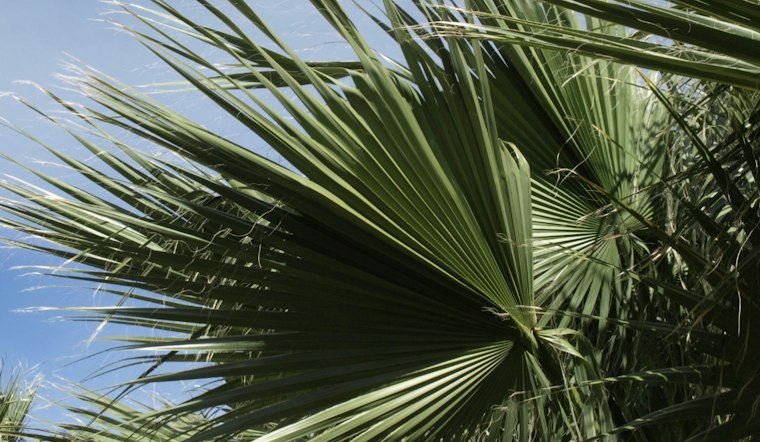
Indian Wells homeowners who've spent years rushing to trim their palm trees before summer deadlines may soon get a reprieve. The City Council is set to consider amending its tree-trimming ordinance on Thursday, replacing fixed June and July trim dates with a single October 1 deadline designed to keep the city out of trouble with state and federal wildlife protections.
Old Deadlines Collided With Bird Nesting Season
Indian Wells' municipal code currently requires landowners, tenants and occupants near public rights-of-way to trim trees, shrubs and other plantings, with date palms due by June 30 and Washingtonia palms by July 30, according to MyNewsLA.com. Those dates sit squarely inside the bird-nesting season the California Department of Fish and Wildlife defines as running from February 1 through August 31, the outlet reports. Wildlife biologists from the Desert Wildlife Center in Indio informed council members that the mandatory June and July trimming dates coincide directly with that nesting window.
The stakes go beyond aesthetics. Unintentional disturbance or destruction of active nests, eggs, nestlings or breeding habitat could trigger violations of both state and federal wildlife laws, per the same report. California's Fish and Game Code prohibits the needless destruction of bird nests and eggs and provides special protections for raptors and other protected birds, while the federal Migratory Bird Treaty Act bars harm to more than 1,000 covered bird species and prohibits destroying, moving or relocating in-use nests and viable eggs or hatchlings. A misdemeanor under that federal law carries a maximum fine of $5,000 for an individual or $10,000 for an organization, and up to six months in prison, according to the US EPA, and the statute operates under strict liability, meaning intent isn't required for a charge to stick.
Why Palm Trees Matter So Much to Local Birds
Palm trees can shelter birds, and palm skirts can provide shelter for birds and bats. Urban property owners frequently strip those skirts for fire mitigation and aesthetics.
Patch reported that nestling and fledgling patients at the Desert Wildlife Center in Indio had been displaced after chainsaws and hedge trimmers destroyed their homes. The center also noted that small mammals like baby rabbits were harmed when summer shade cover got cut back during the same trimming cycles.
City Already Hit Pause While Reviewing the Rules
Indian Wells enacted a temporary moratorium on enforcing its palm trimming deadlines in July, while officials reviewed whether municipal regulations complied with state and federal wildlife laws, according to the City of Indian Wells. Property owners remained obligated to address urgent public safety hazards during that enforcement pause. Now city staff is recommending the council formally replace the June 30 and July 30 deadlines with a single October 1 date, per MyNewsLA.com.
The proposed ordinance wouldn't eliminate trimming during nesting season entirely — it would just require a qualified biologist to inspect a tree or shrub first if the work can't be delayed. The biologist would need to verify that no in-use nests or viable eggs and fledglings are present before any seasonal trimming proceeds.
Inspections Could Cost the City Tens of Thousands
That safeguard comes with a price tag. Inspecting city-owned trees would cost roughly $37,200 per annual event, based on an estimate assuming a biologist can inspect 40 trees per day over a 31-day survey period, according to MyNewsLA.com's reporting. If approved, the amended ordinance would take effect 30 days after council approval, and city staff plans to launch an education and outreach campaign starting in early 2027 to inform residents and landscapers about the new requirements.
Indian Wells wouldn't be alone in rethinking palm maintenance. Neighboring Palm Springs approved a revised palm tree trimming policy in July aimed at balancing public safety risks from falling fronds against wildlife protection concerns raised by local arborists and environmental groups, according to filings on CEQAnet. That policy permits minor trimming such as fruit pod removal while preserving mature palm skirts in select public locations. Conservation group Oswit Land Trust has advised Coachella Valley residents to trim from fall through January and delay work if a bird nest is active, per the same Patch report.
What It Could Mean for HOAs and Homeowners
The shift could reshape routines for private homeowners associations that currently coordinate bulk trimming contracts to meet the old summer deadlines. The Rancho Palmeras Property Owners' Association, for instance, routinely arranges bulk palm trimming for members at roughly $75 to $85 per tree to comply with municipal timelines, and contractors there typically trim date palms earlier than Washingtonia palms to avoid double-blooming. How an October deadline might reshape that scheduling and cost structure wasn't addressed in city materials.





