

























































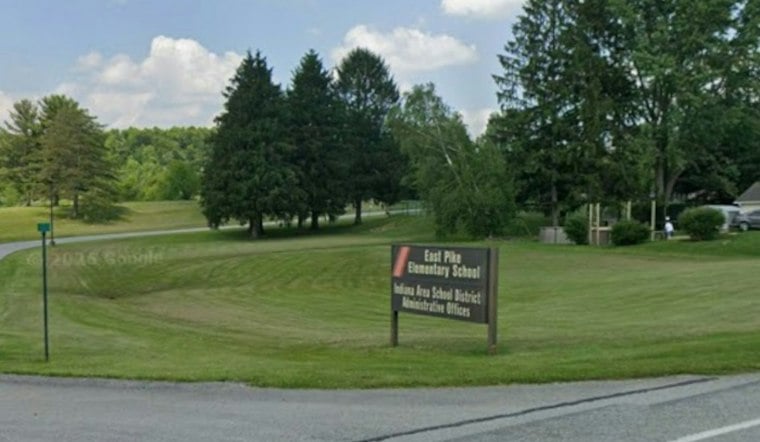
A first-grade classroom at East Pike Elementary School in Indiana, Pennsylvania logged 107 instructional-time disruptions, 30 Level 3 calls for help and nine full-room evacuations over just 19 school days, according to one parent who tracked the numbers after growing alarmed by what her son was telling her. That parent, Katie Haberl-Thomas, says she only found out the scale of the problem because she went looking for answers herself.
Haberl-Thomas, an East Pike parent and local attorney, told CBS News she had been hearing from her son about classroom fights, fire-alarm pulling, and students ducking and covering on a regular basis. Rather than wait, she requested a meeting with the school principal and her son's teacher, which took place on September 25. What she heard left her shaken: she said she was shocked by the information and would not have known about the incidents at all if she hadn't asked the questions herself. She also said the school and district were not communicating about what was happening in the classroom.
Those numbers, and that sense that families were being kept in the dark, are what pushed parents to show up at Monday's meeting of the Indiana Area School District board of directors. As the Indiana Gazette's coverage of the meeting put it, alleged problems with discipline in East Pike Elementary School classrooms brought parents to the session, where child-safety, classroom-management and teacher-safety concerns were raised directly to the board.
A Former Principal Points Fingers at the Top
Krista Sevajian, a former elementary school principal within the district who is now a parent there, was among those pushing back hardest. She said students used to face immediate consequences for the kind of conduct now being described, and she placed the blame squarely on Superintendent Robert J. Heinrich Jr., saying he does not know the district, has suppressed information, and has failed to discipline children appropriately.
Heinrich has pushed back on the idea that East Pike is a unique failure. The superintendent provided a six-page response to the concerns, and according to the Indiana Gazette, he said the problems now surfacing at East Pike are not unique to that school. He pointed to a broader pattern he says school districts nationwide are grappling with, telling the paper that his district and every other district across the country are dealing with more and more explosive behaviors, especially in the early grades.
A National Pattern, But a Local Fight
Heinrich's framing lines up with federal data on classroom behavior. According to figures from the National Center for Education Statistics, the share of teachers reporting disruptive student behavior runs higher in elementary schools, at 33 percent, than in secondary or high schools, at 27 percent — a gap that mirrors the kind of early-grade strain now playing out in Indiana County classrooms. Separately, an Education Week report from earlier this year framed parent involvement and school-leader support as central to the national conversation around teacher behavior problems, noting that teachers say they need backup from their school leaders while parents remain what the piece called the third rail of the discipline conversation.
None of that national context answers the specific questions Haberl-Thomas and other East Pike parents are asking about their own children's classroom. Pennsylvania law does require school entities to make their discipline policies publicly available — posted in every classroom, prominently displayed in school buildings, and published on a school entity's website where one exists, according to guidance compiled by the National Center on Safe Supportive Learning Environments. The state also maintains Annual School Safety Reports that are publicly accessible through its data system, per the Pennsylvania Department of Education.
The Indiana Area School District itself has not been without state support on safety issues. The Pennsylvania Commission on Crime and Delinquency has noted that the district received nearly $790,000 over five years for personnel, security enhancements and behavioral curriculum through a state school-safety initiative. How that funding relates to what is unfolding in the East Pike first-grade classroom described by Haberl-Thomas was not addressed in the materials reviewed for this story.
Retired high school principals have also weighed in on the stakes of letting early-grade behavior go unaddressed, warning that students who don't face consequences at the elementary level may grow up believing they can bring weapons to high school. That warning underscores why parents like Haberl-Thomas and Sevajian are pressing the district now, rather than waiting to see whether the pattern repeats itself in the years ahead.




