

























































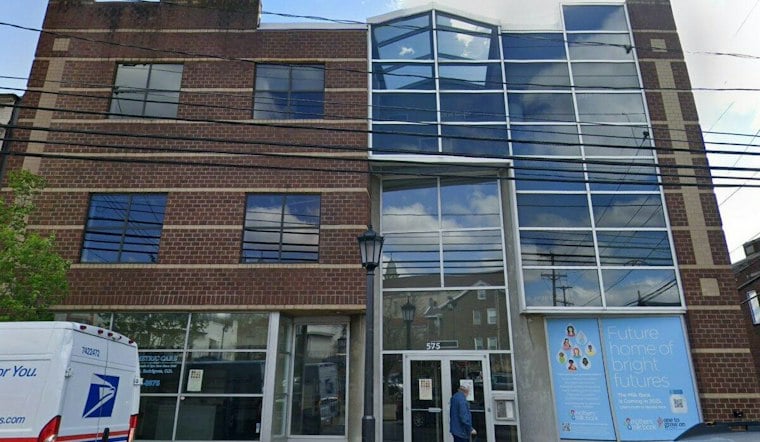
Allegheny County has its first breast milk donation depot, and it opened inside AHN Jefferson Hospital's Healthy Food Center in the South Hills. The site lets screened donors drop off surplus breast milk on Mondays, Wednesdays and Fridays, feeding a regional supply chain that ultimately reaches premature infants, medically fragile newborns and even some healthy babies waiting on their own mothers' milk to come in.
A New Front Door for Donors in the South Hills
The depot is the result of a partnership between Allegheny Health Network and the Mid-Atlantic Mothers' Milk Bank, which calls it the first Milk Bank Depot in the South Hills. As reported by PR Newswire, the collaboration marks the first milk depot in Allegheny County, giving local parents a nearby option instead of having to ship or haul donations across the city. Before any milk is accepted, donors must complete a bloodwork screening covering medication and supplement use along with bloodborne pathogens, according to WESA.
Once donors clear screening, the logistics are handled on-site. Jefferson Hospital staff routinely monitor the temperature of the breast milk freezer and coordinate pickup, per the milk bank's own account of the new depot. From there, a courier delivers the collected milk to the Mid-Atlantic Mothers' Milk Bank's lab in Pittsburgh's Strip District for testing and pasteurization — though a separate release from the milk bank's partner AHN, carried by PR Newswire, describes that processing happening at the organization's headquarters laboratory in Bellevue in accordance with FDA and state guidelines. Either way, the milk undergoes additional testing after pasteurization before it's cleared for distribution.
Why Hospitals Need More Donor Milk
Joy Peters, chief nursing officer at AHN Jefferson Hospital, said the need for donor milk continues to increase as neonatal medicine advances and more medically challenged babies survive and thrive, according to WPXI. She also said AHN expanded its partnership with the milk bank through the depot's launch, folding Jefferson into a broader regional system that already includes AHN Suburban serving as a storage hub for donated milk and AHN West Penn laboratory technicians conducting donor pre-screening tests, the station reported. AHN's labor and delivery hospitals receive donor milk through the milk bank as part of that network.
Denise O'Connor, executive director of the Mid-Atlantic Mothers' Milk Bank, said the organization has seen explosive growth during the past decade. Joy Peters said the goal behind new depots like this one is to increase the supply of donor milk in the region. O'Connor also told WPXI that partnerships such as this one aim to increase donor participation, raise awareness and provide additional access points to make donating easier. Local hospitals have increased their use of donor milk over the past decade to include more babies with gastrointestinal and cardiac issues, and some hospital systems now use it for healthy babies whose mothers' milk has not yet come in, a use sometimes called bridge milk that helps cover the gap between birth and a mother's own breastfeeding success.
Who Actually Gets the Milk
Neonatal intensive care units across western Pennsylvania use donor milk primarily for critically ill newborns, but it doesn't stop at the NICU door. Approximately 15% to 20% of donated milk is distributed to outpatient infants who need it because of allergies, illness or delayed maternal milk production, per PR Newswire. Those outpatient families can receive donor milk directly at home after obtaining a prescription from a pediatrician.
The milk bank supplies donor milk to inpatient and outpatient babies across Pennsylvania, West Virginia, parts of New Jersey and Maryland, distributing it to hospitals, neonatal intensive care units and families throughout that footprint. That regional reach is already visible elsewhere: WellSpan Health launched York County's first breast milk donation and access center with the same milk bank, while WVU Medicine Princeton Community Hospital became a donor milk depot serving southern West Virginia. The milk bank's rapid growth has strained its own infrastructure — the organization has said demand increased enough that it outgrew its 5,000-square-foot lab space.
The case for donor milk over formula in the most fragile cases has research behind it. A national study cited by the milk bank found necrotizing enterocolitis developed in 9% of extremely premature formula-fed babies studied, compared with 4.2% of similar babies fed donor milk. For now, the new depot's Monday, Wednesday and Friday schedule gives South Hills parents a closer way to contribute to that supply, screening required.





