

























































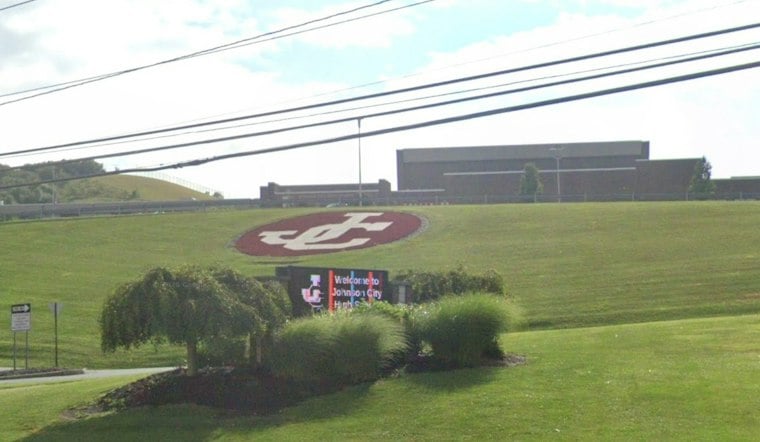
Broome-Tioga BOCES cut the ribbon Tuesday on a $4 million licensed practical nursing facility built inside the gymnasium of the former Johnson City High School, transforming the space into classrooms, clinical labs and a simulation suite stocked with high-tech patient mannequins. The 15,000-square-foot building is designed to pump more trained nurses into a region that school officials say badly needs them.
According to wbng.com, the new space triples the program's capacity, with about 90 students starting classes there in September. A separate report from wnbf.com, published in late September, put the figure at nearly 60 students who began classes at the facility roughly two weeks earlier — the two outlets differ on the exact enrollment count. Either way, the jump marks a significant leap from the program's previous capacity of 30 students, as reported by wicz.com.
The former high school gym now houses two traditional classrooms, a clinical lab, a simulation lab, a library, a shared cafeteria and dedicated student collaboration space, per wicz.com's reporting. U.S. Rep. Josh Riley, D-19th District, cited $1.1 million in federal funding tied to the project, wbng.com reports, and the expansion was also backed by federal Community Project Funding and New York State's Downtown Revitalization Initiative, according to the same report.
A Program Built for Career Changers
The LPN program is designed for adults restarting their careers, people upskilling from entry-level jobs, and students looking for a direct path into health care, the station's report notes. Broome-Tioga BOCES offers both a 20-month part-time track and a 10-month full-time track, according to a program information document from the school, with the full curriculum requiring 1,208 hours to complete. BOCES says its licensing-exam pass rate generally runs at 90% or higher, per the same document.
Matt Sheehan, director of the Center for Career and Technical Education at B-T BOCES, said the expansion arrives at a critical time for local medical providers facing severe staffing shortages, according to wicz.com. Demand for seats has already outpaced supply: the LPN program drew 300 applicants for just 70 available spots, Sheehan said, per the same report. Graduates have secured employment immediately in every recent graduating class, the outlet reports, and school leaders hope the larger facility will help ease staffing burdens on local hospitals, where nurses often work double and triple shifts to meet patient needs.
Regional Shortage Driving the Expansion
BOCES leaders said the move responds to demand for nurses that continues to grow across the region, wbng.com reports. Wendy Antalek, the school's health-care careers supervisor, told wnbf.com there is a big demand for LPNs in this region and across the country. That local pressure lines up with a broader pattern: a University at Albany study found that New York State continues to experience workforce shortages in all health care settings, with reported gaps in registered nurses, licensed practical nurses and aides across hospitals, ambulatory care, nursing homes and home-care services.
That same research pointed to faculty shortages, a lack of clinical training sites and program caps as factors limiting the expansion of RN education program capacity statewide. Against that backdrop, Broome-Tioga BOCES has already seen its own LPN enrollment double over the previous two years, according to binghamtonhomepage.com, which also reported that LaGuardia Community College ranked No. 2 behind Broome-Tioga BOCES on a published list of New York State LPN programs.
New Life for an Old Landmark
The project is being framed as both a historic preservation win and a workforce investment, with wbng.com describing it as reinventing a landmark while investing in the pipeline of future health-care workers. Next door, the rest of the former high school building is being converted into 54 market-rate apartments even as the nursing facility operates inside the old gym, wnbf.com reports. School leaders say the renovated center aims to improve health-care quality and community well-being across the Southern Tier, according to wicz.com's reporting.





