

























































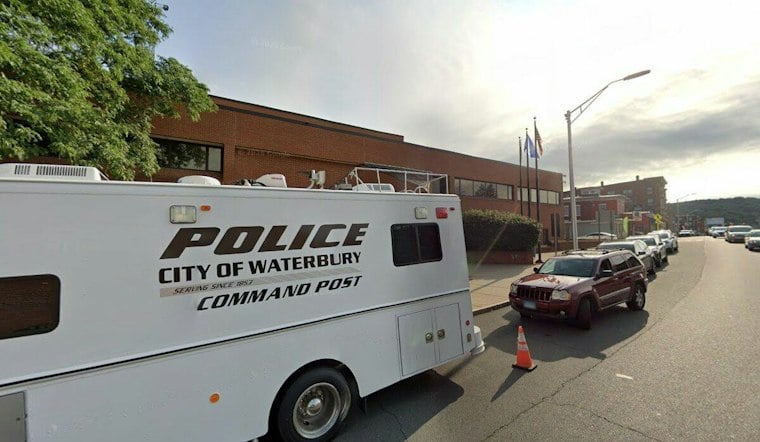
The U.S. Department of Justice has opened an investigation into the firearm permitting systems used by police in Middletown and Waterbury, Connecticut, examining whether the two cities are forcing residents to wait too long to get a gun permit. The inquiry, announced Thursday, targets how each department handles permit applications and whether delays amount to an unnecessary burden on applicants.
According to the Justice Department, the investigation will focus squarely on the Middletown and Waterbury police departments' permitting systems and whether residents face unnecessary delays in getting approved. Assistant Attorney General Harmeet K. Dhillon framed the effort around constitutional rights, saying that all law-abiding Americans have a constitutional right to bear arms for self-defense. The department's announcement does not specify how many applications are pending in either city, how long any delays have lasted, or what prompted federal attorneys to look at these two municipalities specifically.
A Pattern Beyond Connecticut
This is not the Justice Department's only recent move on firearm permitting delays. The agency separately opened an investigation into whether Pennsauken, New Jersey, deprived citizens of their right to bear arms through what it called egregious and unjust delays in issuing firearm licenses, according to a separate Justice Department announcement. Federal officials have also filed a Second Amendment lawsuit against the state of Minnesota over firearm-purchase laws, including its 30-day waiting period and permit-to-purchase requirements, as reported by Courthouse News Service.
Neither Middletown nor Waterbury officials have offered a public response to the investigation, and the Justice Department's announcement does not lay out the probe's scope, expected timeline, or next procedural steps.
A Backlog Already Documented at the State Level
The new federal inquiry lands against the backdrop of documented, broader problems in how Connecticut handles firearm permit paperwork. A state audit found that the Connecticut Board of Firearms Permit Examiners, which hears appeals of pistol or revolver permit denials and revocations, had amassed a backlog of 1,203 cases, with hearings scheduled out through March of this year, according to the Hartford Courant. That audit, conducted in March 2024, covered the fiscal years ending June 30, 2022, and June 30, 2023.
The board told auditors it receives more annual appeals than it can reasonably review, even though it is required to hold 28 meetings with 28 hearings each per year, per the same report. Compounding the backlog, the board also reported that a new background-check system run by the Department of Emergency Services and Public Protection went down for two months because of a security issue before coming back online.
How Connecticut's Deadlines Compare
State law, under a bill reviewed by the Connecticut General Assembly, says that if a required report has not been received within eight weeks of a sufficient permit application, the issuing authority must inform the applicant of the delay in writing. The same legislative text states no permit shall be issued if the issuing authority has reason to believe the applicant has ever been disqualified under the relevant provision.
A separate 2013 legislative report found that at least 19 states and the District of Columbia had a longer deadline than Connecticut for processing a gun permit application, though the evidence does not confirm whether those comparative deadlines remain accurate more than a decade later. It remains unclear how the alleged delays in Middletown and Waterbury relate to the statewide appeals backlog or the background-check outage described in the audit, since the Justice Department's announcement does not connect those dots itself.


