

























































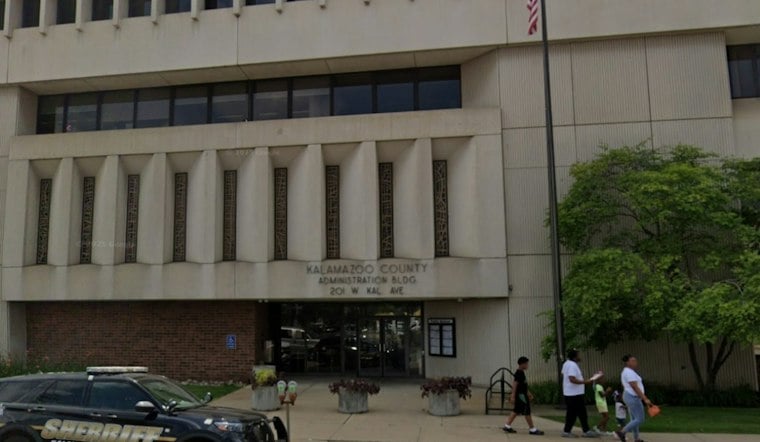
Kalamazoo County employees will lose health coverage for weight-loss drugs like Ozempic starting in 2027, after commissioners scrapped an earlier plan that would have charged workers a $200 copay instead. The county says the new approach will save roughly $500,000 a year, while employees diagnosed with diabetes will keep full coverage for the same medications.
The Kalamazoo County Board of Commissioners approved the change as a modification to the county employee health care plan, according to MLive.com. Under the approved option, coverage for anti-obesity GLP-1 use will be eliminated beginning in 2027, even as GLP-1 medications prescribed for diabetes remain fully covered for employees who have that diagnosis.
The decision undoes an earlier proposal that would have kept weight-loss drugs covered but required employees to pay a flat $200 monthly copay. That plan carried its own complications: the $200 copay would have disqualified the county from receiving drug manufacturer rebates, according to the same report. Officials ultimately decided a clean break from anti-obesity coverage made more financial sense than the copay structure.
What Happens to Employees Who Want the Drugs
County employees who still want GLP-1 drugs for weight management will need to buy them on the private market through discount prescription programs, MLive reports. Employees will need to consider how to pay for the drugs themselves.
The scale of use helps explain why county officials moved on this now. Plan members utilize approximately 199 non-diabetic GLP-1 prescriptions each month, according to county data cited in the report. That volume has made anti-obesity prescriptions an outsized cost driver inside the county's fringe benefits fund.
Conflicting Figures on the Price Tag
Just how much the county has been spending depends on which account you read. MLive reported that anti-obesity prescriptions cost the county health plan roughly $1.5 million in 2025, while a separate report from WWMT put the county's spending at more than $1.5 million annually, accounting for 20% of all prescription costs. Either way, the trajectory has been steep: WWMT also reported that the cost of the county's health plan jumped 100% in 2024 and another 22% in 2025.
Projections for what would have happened if the county kept covering the drugs also vary by source. WWMT reported the plan was projected to rise about 11.7% in 2027 if GLP-1 coverage continued, while Public Media Network reported that keeping the drugs covered under the existing structure was projected to increase 2027 health insurance premiums by 11.5%, compared with roughly 5.5% if coverage were eliminated, according to a report from Public Media Network. Despite the differing figures, both accounts point the same direction: letting coverage ride unchanged would have pushed premiums up significantly for employees.
Kalamazoo Joins a Wider Employer Retreat
KFF Health News reported that only 60% of large employers were covering GLP-1 drugs in one survey, down from 72% in 2025, and noted that Cigna Group and consulting firm PricewaterhouseCoopers eliminated coverage this year, with PepsiCo and Starbucks following suit in October.
Locally, the picture is mixed. Grand Rapids, Ingham, Kent and Oakland counties also cover GLP-1 medications for obesity, while Genesee and Ottawa counties do not, according to Public Media Network.
Commissioners Weigh In on the Vote
Commissioner Dale DeLeeuw made the motion to adopt the flat $200 monthly copay option, and it passed 8-0, according to Public Media Network. Commissioner John Taylor discussed the operating budget and the need to revisit the drug's cost, according to Public Media Network.





