

























































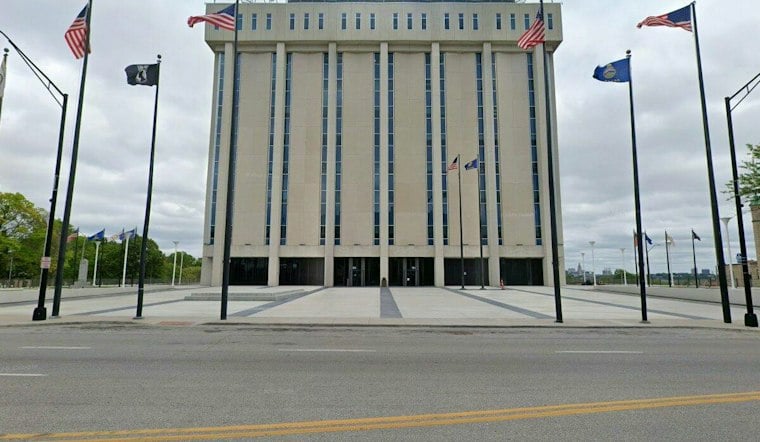
A state audit has uncovered a $40 million discrepancy buried inside the 2024 budget of the Unified Government of Wyandotte County and Kansas City, Kansas, along with $313,000 in state highway money that auditors say was misappropriated. The findings have prompted the government's own leaders to promise changes, while local officials and residents are demanding a closer look at how public money has been tracked and spent.
The audit, which examined state revenue streams flowing into the Unified Government, found that $40 million was never reconciled, according to KMBC. State Sen. Caryn Tyson did not mince words about the gap, calling it “egregious” and saying the $40 million “was not accounted for and was never reconciled,” per the same report. The station's reporting does not establish where the money went or how it will be reconciled going forward.
The review was requested by Carolyn Caiharr, who serves as both Edwardsville mayor and a state representative, as noted by KMBC. Caiharr said the Unified Government lacks clear guidelines for how it spends money that belongs to Kansas City, Kansas, versus money that belongs to the county as a whole. The audit noted that state law contained no specific requirements regarding the use of county funds, as reported by the Kansas Legislative Division of Post Audit.
Highway Funds Misused, Auditors Say
Beyond the budget gap, auditors determined that the Unified Government misappropriated $313,000 in state highway money, the station's account states. Rather than depositing that money into the specific road and bridge fund required by law, the funds were instead placed in the county's general fund, as reported by the Kansas Legislative Division of Post Audit. The audit also flagged missing signatures and dates on agreements, raising questions about whether those agreements are legally enforceable, per the station's reporting.
A related concern raised in the process was that county funds and money were being used to support Kansas City, Kansas, services rather than county services, according to the Kansas Legislative Division of Post Audit, which reviewed selected revenues and funds. The review's results were not projectable to all revenues and funds.
Smaller Communities Say They Are Shortchanged
The budget questions have reignited longstanding frustration among smaller Wyandotte County communities outside Kansas City, Kansas, which is the largest and most populated part of the county. Those communities have expressed concern that they are not receiving their fair share of Unified Government tax dollars, the KMBC report states. Residents outside Kansas City, Kansas, reportedly raised the same concerns with Christal Watson during her campaign, according to the same reporting.
Frank Ramirez said residents should be concerned about the audit findings and that the financial discrepancies should prompt a deeper investigation, per the station's account. The report also notes that the Unified Government's legislative auditor is paid only with county money, per a report from KMBC, a detail that has fed into broader questions about independence and funding structures within the local government.
Officials Vow To Follow Audit Recommendations
Unified Government leaders said they would follow the audit's recommendations to correct the problems identified, according to KMBC's reporting. The station's account does not specify a timeline for implementing those fixes or detail what new guidelines might replace the current, unclear framework for splitting city and county funds.
The audit touches on financial territory governed by specific state law. Kansas statute addresses the apportionment of the special city and county highway fund and the county equalization and adjustment fund, including provisions for transfers made four times a year, according to the Kansas State Legislature. A separate statute, also published by the Kansas State Legislature, governs county roads, bridges and culverts, including how construction and repair costs are financed — the same category of spending at the center of the audit's highway fund findings.
This is not the first time Unified Government audits have drawn scrutiny. In 2022, commissioners raised concerns that past audits used as the basis for government changes lacked sufficient detail and had not been put out for public bid, according to the Kansas City Star. More recently, a proposed $551 million budget for 2027 was presented to the Unified Government Board of Commissioners and received a clean financial audit, according to Wyandotte News Daily. How that clean review squares with the discrepancies identified in the 2024 budget audit was not addressed in the available reporting.



