

























































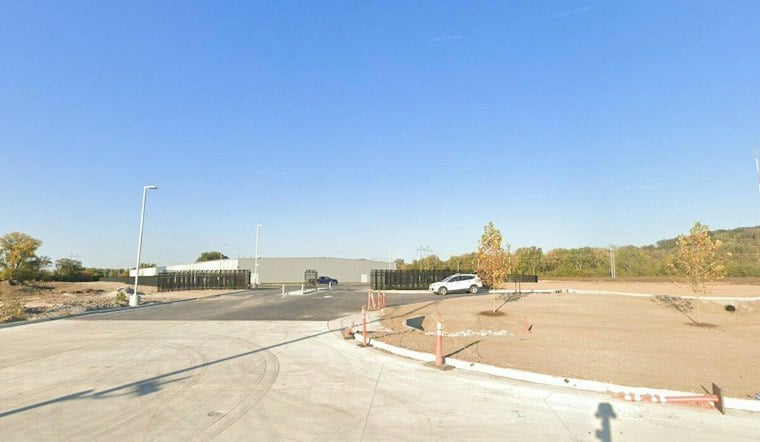
Kansas City's City Council is set to decide Nov. 12 whether to hand a Florida-based data-center company more than $20 million in local tax breaks, a vote that has pulled a grassroots watchdog group into the fight over who pays for the region's booming AI infrastructure. The company at the center of it, The Constant Company, LLC, operates an AI data center at 3420 North Arlington Ave. in the Northland, and the proposal would pair a sizable bond authorization with a decade of reduced property taxes.
Ordinance 260941, sponsored by City Manager Mario Vasquez's office, would authorize bonds totaling up to $572.5 million to supply data-center equipment, according to FOX4KC. The measure also provides a 10-year, 50% personal-property tax abatement valued at approximately $20,369,175. The ordinance was introduced Oct. 22, referred to the Finance, Governance and Public Safety Committee on Oct. 27, and held for two weeks after last Thursday's council meeting, pushing the vote to Nov. 12.
Watchdog Group Pushes Back on Job Numbers
KC Data Center Watchdog sent an email opposing public financing of the project, arguing that The Constant Company's own figures show the expenditures tied to the ordinance would create only three additional jobs. Cody Boston, a co-founder of the group, said the company is valued at $3.5 billion and does not need Kansas City taxpayer money, framing the abatement as an unnecessary subsidy for an already well-capitalized firm.
Boston pointed to other large Northland projects — including Project Mica and the Meta and Google data centers — as examples of the scale of development already underway in the area. He said the broader consequences of the data-center buildout include rising energy costs, AI-related threats to livelihoods, and security risks, and he urged community members to contact council members and push for a ban on data centers and AI services in Kansas City.
Who Bears the Cost of the Power Grid Upgrades
Boston said residents ultimately bear the costs of data-center projects, arguing that the facilities add load to the energy grid that contributes to strain and higher costs for ordinary customers. That concern echoes utility-level details: Evergy's large-load tariff can require, in some cases, up to 20% more than other large business customers, and large-load customers must pay for infrastructure upgrades needed solely to serve their facilities, according to the Kansas City Star.
The debate in Kansas City is unfolding against a regional data-center surge. The KSHB has reported that the Kansas City metro area has seen at least 10 proposals for hyperscale data centers, some of which are already running, and experts quoted by the station warned that bringing all of them online could significantly affect regional electric and water infrastructure. Michael Craig of the University of Michigan told KSHB that if all 10 or more proposed facilities start running, energy supply may not meet demand.
A Pattern of Tax Incentives for AI Infrastructure
The Constant Company's request is not an isolated case. The Port Authority of Kansas City has granted a 35-year tax abatement to Project Kestrel, a planned $100 billion, 379-acre campus in the Northland expected to include six data centers totaling up to 1.8 million square feet, according to Data Center Dynamics. That outlet reported the operator behind Project Kestrel has not been publicly named, though Port KC described it as a leading global technology company. The Port Authority also granted $10 billion in bonds to the Google-linked Project Mica, planned for five data centers totaling 1.56 million square feet.
Job-creation figures for comparable projects vary widely. The Missouri Independent reported that Meta's Kansas City data center represents more than $1 billion in investment and employed about 1,500 skilled-trade workers at peak construction, but supports just over 100 permanent operational jobs. A recently announced $1.4 billion data center in Liberty is expected to create at least 30 permanent jobs, per the Missouri Independent. Those numbers stand in contrast to the three additional jobs Boston's group says The Constant Company's own filings project.
Statewide Stakes for Electricity and Water
Lawrence Berkeley National Laboratory estimated that data centers consumed 4.4% of all U.S. electricity in 2023, and some projections cited by FOX4KC indicate that figure could double or triple by 2028, accounting for up to 12% of U.S. electricity use. U.S. electricity consumption is projected to rise 16% by 2029, and Missouri consumer advocates have warned residents could be charged for new power plants built to serve future data centers.
Separate reporting from ABC17News described requirements facing Missouri's large-load data-center customers, including paying grid-connection costs, signing electricity contracts lasting at least 12 years, and, under one utility's tariff, posting collateral equal to two years of minimum monthly bills. Missouri law also addresses the industry directly: state statute 144.810 provides a sales-and-use tax exemption specifically for data storage centers, according to the Missouri Revisor of Statutes.
With the council's vote now set for Nov. 12, the outcome will determine whether The Constant Company receives its bond authorization and property-tax abatement, or whether the pushback from KC Data Center Watchdog and the broader scrutiny of the region's data-center boom persuades members to reconsider.





