

























































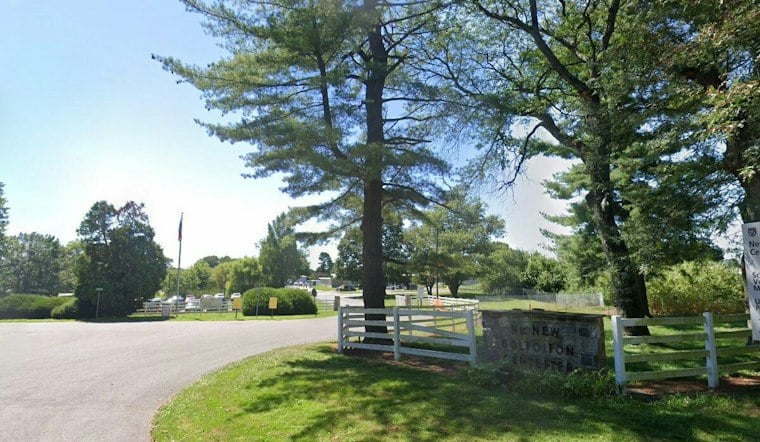
Penn Vet broke ground this week on a $94 million veterinary diagnostic laboratory at New Bolton Center in Kennett Square, a project meant to pull the school's scattered disease-testing operations into one modern building equipped to handle everything from routine farm samples to high-risk pathogens like avian influenza. Pennsylvania Agriculture Secretary Russell Redding and Penn Vet Dean Andrew M. Hoffman marked the occasion at a ceremony on the 700-acre campus, which serves as the University of Pennsylvania's large-animal research hub in Chester County.
The new 63,000-square-foot facility will house both the New Bolton Center Diagnostic Laboratory and the Pennsylvania Equine Toxicology Research Laboratory, known as PETRL, bringing together teams that currently serve agricultural producers, veterinarians, public health officials, and horse racing regulators across the state, according to PHILADELPHIA.Today. The project draws major backing from Governor Josh Shapiro's 2026–27 state budget, which allocated more than $39 million specifically for New Bolton Center's diagnostic operations as part of a broader push to safeguard Pennsylvania's $132 billion agricultural economy, per the Pennsylvania Department of Agriculture.
A Campus Stretched Thin by Growing Workloads
The need for a unified building has been building for years. In fiscal year 2025–26 alone, New Bolton Center's diagnostic team ran more than 279,000 tests out of buildings scattered across the upper and lower campus, while the statewide Pennsylvania Animal Diagnostic Laboratory System, or PADLS, processed 669,788 animal specimens overall, the state agriculture department reports. Those PADLS labs track diseases including avian influenza, rabies, chronic wasting disease, and equine herpesvirus.
PETRL's situation is even more fragmented. The lab processes roughly 30,000 post-race and out-of-competition samples each year from six Pennsylvania racetracks, but it currently operates out of leased space at West Chester University along with research space at New Bolton Center, according to MyChesCo. That matters beyond Chester County: PETRL is the only laboratory in the United States accredited to test for gene doping in racehorses and the sole national lab capable of confirming blood-doping agents such as erythropoietin and darbepoetin, Penn Vet notes, with dual accreditation under ISO/IEC 17025 standards underpinning its testing.
Built for Outbreaks, Not Just Everyday Testing
Philadelphia-based SMP Architects designed the two-story building planned for 382 W. Street Road in East Marlborough Township, with construction slated to wrap up in 2028 and both laboratories expected to move in during 2029, MyChesCo reports. SMP previously drafted New Bolton Center's campus master plan and designed the nearby Riepe Center, which the campus recently opened for advanced veterinary education. The new lab will include a specialized necropsy suite for post-mortem exams alongside Biosafety Level 3 high-containment space built to isolate dangerous pathogens like avian influenza and African swine fever, according to Vet Candy.
The timing is no accident. Three days after the New Bolton Center groundbreaking, Redding joined Penn State leaders on October 5 to break ground on a companion $65 million, 46,000-square-foot expansion of Penn State's Animal Diagnostic Lab in University Park, which will also add BSL-3 facilities and a crematorium, as reported by Lancaster Farming. Together with the opening of the Keystone Animal Diagnostic Center at Penn State Beaver earlier this year — PADLS's first expansion in 35 years, serving western Pennsylvania farmers — the two projects represent the most significant overhaul of the state's animal diagnostic network since PADLS was established in 1991, the Pennsylvania Department of Agriculture says.
Beyond the Lab: A Campus That Already Does the Heavy Lifting
New Bolton Center treats thousands of animals each year and serves farms throughout southeastern Pennsylvania, and its Hospital for Large Animals alone handles more than 6,300 patient visits annually, according to Penn Vet. Its Field Services team adds over 5,500 farm calls a year, treating roughly 22,400 animals across local agricultural operations — work the large-animal hospital has carried out on the Kennett Square campus since 1964.
That workload has proven critical during past crises. During a 2015 state budget impasse, Penn Vet ran more than 70,000 avian influenza diagnostic tests without state funding, helping prevent severe livestock losses during a national outbreak, per Penn Vet's account of the episode. Agriculture officials now describe the new laboratory as intended to strengthen Pennsylvania's animal disease surveillance system and speed diagnoses so researchers and veterinarians can respond faster to emerging health threats, supporting animal health, food safety, and equine toxicology work statewide.





