

























































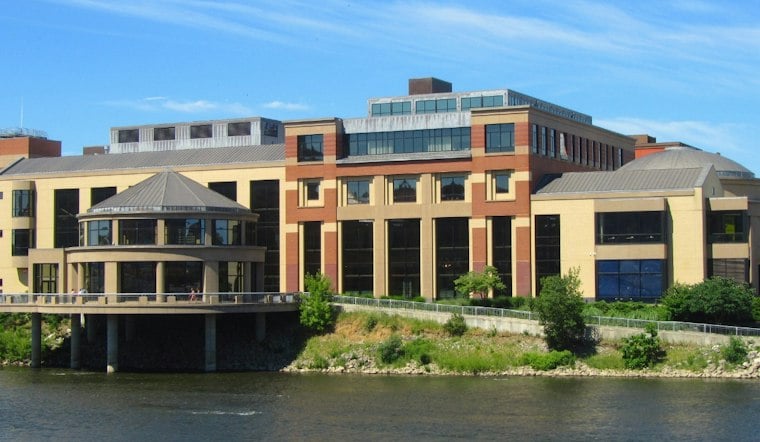
Kent County voters will decide on Nov. 3 whether to renew the property tax that funds John Ball Zoo and the Grand Rapids Public Museum for another 10 years, and this time the money wouldn’t be split the way it has been since 2016. Instead of an even 50-50 division, the zoo would take a bigger slice of the pie, a change tied to the roughly $40 million in deferred maintenance weighing on its aging campus.
What's On The Ballot
The proposal would renew the existing 0.4086-mill tax, or about 41 cents per $1,000 of taxable value, running from 2026 through 2035, according to MLive. For a homeowner with $100,000 in taxable value, that works out to about $40.86 a year; a $150,000 taxable value would mean roughly $61.29 annually, and a $300,000 taxable value comes to about $122.58, per the outlet's figures. Because taxable value is generally no more than half a home's market value, those numbers apply to houses worth considerably more on paper. County officials project the tax will raise about $15.6 million in its first year.
The Grand Rapids Public Museum describes the measure as a renewal of an existing voter-approved millage rather than a new tax, with voters having first approved it in 2016. The Kent County Board of Commissioners voted unanimously to place the renewal on the ballot, per MLive's reporting.
Why The Split Is Changing
Under the proposal, John Ball Zoo would receive $124.1 million of the projected millage revenue over 10 years, while the Grand Rapids Public Museum would get about $69.8 million, according to John Ball Zoo. That works out to roughly 64% of the money going to the zoo and about 36% to the museum, MLive reported.
Of the zoo's total, about $89.2 million would go toward operations, while $34.9 million would be reserved specifically for capital projects, the station's report indicates. That capital share would start at 11% of millage revenue in the renewal's first three years and climb to 24% in its final two, per the same account. Both institutions had actually asked the county to keep dividing the money equally, but a county review committee recommended giving the zoo a larger cut instead.
A Zoo With Deep Repair Needs
Kent County owns the zoo's land and assets, even though John Ball Zoo operates as an independent nonprofit with its own board and leadership — a structure MLive's reporting lays out in detail. A 2022 report identified about $45.5 million in deferred zoo maintenance; by December 2025, roughly $4.9 million of that had been addressed, leaving approximately $40.5 million still outstanding, per the outlet's figures.
That capital money won't flow freely, though. The county would hold it until the zoo meets specific conditions: any capital funding must go toward a project included in the zoo's master plan as approved by the county board, and the zoo must secure dollar-for-dollar matching funds from philanthropic, corporate or government sources.
The zoo's 10-year campus plan includes hopes of opening a large-scale aquarium by 2031; the aquarium's early estimate is $370 million to $390 million. John Ball Zoo reported about $24 million in operating expenses in 2025 and recorded 732,855 visitors that year, compared to roughly 250,000 annual visitors at the museum, which reported about $11.6 million in operating expenses over the same period.
What Happens If The Millage Fails
Millage revenue has covered an average of about 34% of the zoo's operating expenses from 2019 through 2026, while covering an average of about 59% of the museum's over the same stretch, according to the same MLive analysis. Millage dollars made up about 28% of the zoo's total revenue in 2025. County-commissioned financial analyses found that losing the millage would leave the zoo with a growing operating deficit and would likely force service reductions at the museum as well. A Plante Moran analysis concluded that without millage funding, the zoo would face a deficit that widens over time due to the underlying economics of the zoo industry, the report states.
Interim zoo CEO Rob Verheulen told MLive that losing roughly one-quarter of the zoo's revenue would force a review of programs across the entire operation, though he said no decisions have been made yet about specific cuts. Potential reductions could include free school visits, discounts for Bridge Card holders, conservation partnerships and facility maintenance, per Verheulen's comments to the outlet. On the museum side, a financial analysis projected an $8.2 million deficit in fiscal 2037 if service levels and capital spending continued without millage support. The museum would draw about $4.3 million from its endowment after exhausting remaining operating and capital reserves, and would still be about $3.9 million short, the analysis found.
Museum CEO Dale Robertson, who is retiring at the end of this year, told MLive that a millage loss could force the museum to reconsider hours, staffing, school tours, educational materials, exhibit maintenance and future projects. Robertson said the museum's long-term goal is building an endowment large enough to eventually operate without another millage, estimating it would need roughly $150 million to get there. The museum's endowment currently sits at about $60 million and could reach approximately $107.7 million by fiscal 2036 assuming a 6% average annual investment return, according to the outlet's reporting. John Ball Zoo, by contrast, has only had preliminary discussions about establishing its own endowment and has not set a fundraising target, Verheulen said, adding that the zoo hasn't developed a comparable long-term plan or decided whether it will seek another renewal after this one. He said any future decision would hinge on the zoo's financial health, fundraising success, progress on its master plan, and ongoing county discussions about alternative funding sources.
Visitor Perks And Access
Kent County residents 17 and younger currently get free museum admission, while county adults receive $5 off and seniors get $2 off, and the museum currently offers free parking for county residents. Robertson said that free parking could be reevaluated as the museum's millage share shrinks under the new split, though he reaffirmed the museum's commitment to free admission for younger residents and reduced pricing for adults and seniors. At the zoo, Kent County elementary students get free group admission and seniors receive $5 off, but free parking is not guaranteed under the renewal — Verheulen said the zoo expects to offer residents some form of parking discount, though details haven't been finalized.
Together, the zoo and museum draw more than 1 million visitors combined each year and contribute more than $130 million to the local economy annually, according to Spectrum News. If approved, the renewed tax would run from 2026 through 2035.





