

























































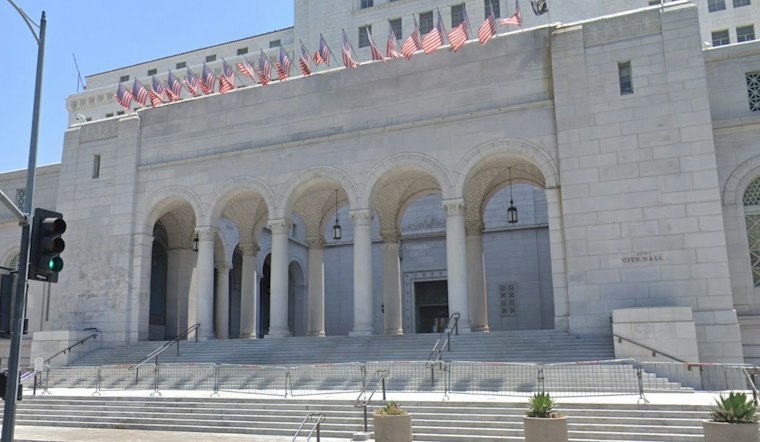
The Los Angeles City Council voted 13-0 to take a step toward expanding eligibility for its Legacy Business Program, a city initiative that offers grants of up to $20,000 to long-running small businesses. The move could eventually let restaurants and other small businesses qualify after as few as 10 years in operation, down from the current 20-year threshold, as city staff study how to reshape the program.
What the Current Program Requires
As it stands, the Legacy Business Program defines a legacy business as one that has operated for 20 years or more within the same community, according to LAist. Qualifying businesses must meet at least three of four criteria: contributing significantly to the community's history or identity, sustaining distinctive cultural traditions and practices, providing vital goods and services in a culturally accessible language and manner, and operating as a small standalone business not affiliated with a national corporate chain. Businesses facing gentrification, steep lease increases, and other threats to their sustainability are given priority for grants, and accepted participants can also tap into social media marketing and financial counseling.
The program, established under then-Councilmember Curren Price in 2022, is documented in a Los Angeles City Clerk record showing the city's Economic and Workforce Development Department studied legacy business programs in other cities before recommending how Los Angeles could build its own, in a report dated March 3, 2022. The item moved through the Economic Development and Jobs Committee that June before reaching the full council on July 1, 2022, per the same city record.
The New Push From Hutt and Soto-Martinez
Councilmembers Heather Hutt and Hugo Soto-Martinez introduced a motion on October 7 seeking to enhance the program, expand similar benefits, or create a tiered model, according to MyNewsLA.com. Under the proposed expansion, qualifying businesses would need to have operated continuously in Los Angeles for at least 10 years, have a proven record of complying with local labor standards, and still meet at least three of the four criteria used to define legacy businesses. The proposed eligibility expansion is aimed at covering restaurants and other small businesses, the outlet reports.
In their motion, Hutt and Soto-Martinez said small businesses and their workers face heightened financial insecurity due to the coronavirus pandemic, gentrification, and rising living costs. The motion also said structural barriers hinder economic mobility and make it difficult for small business owners to offer competitive wages or remain in operation. Per the motion, Los Angeles continues to grow as a tourist and entertainment destination, and the motion described an influx of investment and tourism as part of the backdrop for why supporting workers and small business owners is essential to residents' economic security and preparation for major global events.
What the Council Is Asking Staff to Study
Beyond the eligibility changes, the council instructed the Office of Wage Standards and the Community Investment Department to work with labor and business groups on a plan to improve the program. Council members also called for an analysis of why businesses in the program may close and requested recommendations for targeted interventions, according to the MyNewsLA.com report. Separately, the council requested a plan for a citywide restaurant protection ordinance aimed at supporting small and immigrant-owned businesses. Staff are expected to return with a report and recommendations on the issue within 90 days.
The Economic Pressure Behind the Push
The push for expanded eligibility comes against a backdrop of documented strain on Latino-owned businesses tied to immigration enforcement activity. During a surge of enforcement operations in June 2025, eight of nine sites studied saw reduced foot traffic, and formal businesses near those sites experienced roughly 46,000 fewer visits and an estimated $3.16 million in accumulated losses within two weeks, according to the UCLA Latino Policy and Politics Initiative. Among surveyed Latino business owners, 59% reported sales drops of more than 50%, 68% temporarily closed or reduced their hours, and 51% reported staff missing work out of fear, the same research found. Nearly a year after that enforcement surge, about 95% of surveyed Latino entrepreneurs reported ongoing financial stress, per the UCLA initiative's findings — though that data reflects surveyed business owners near specific enforcement sites rather than the city's small-business population as a whole.
Once a business is designated, it appears on the Legacy Business Registry, which lists each participating business, and designated legacy businesses may also receive assistance negotiating long-term lease agreements with landlords. For now, the council's action simply directs city staff to study the proposed changes and report back, leaving the ultimate scope of the expanded program for a future vote.





