

























































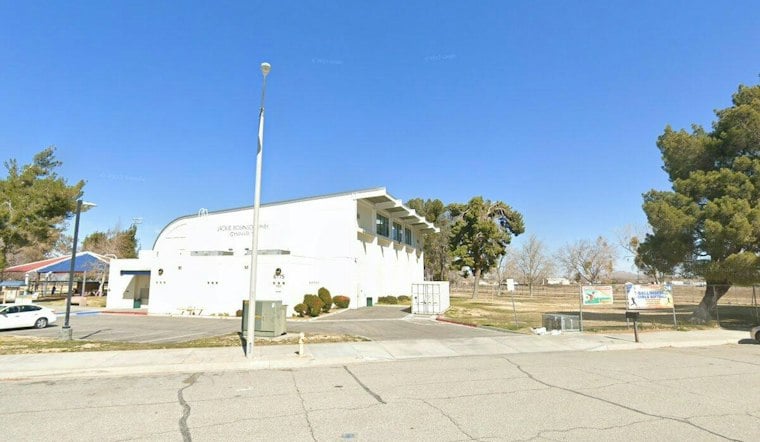
Los Angeles County has quietly transformed 15 park spaces across the region into dedicated hubs where teenagers can find both community connection and mental health support, part of a broader push to treat public parks as frontline tools for youth well-being rather than just recreation. The new spaces feature shaded gathering areas, updated lighting and benches designed to spark conversation, all aimed at giving young people somewhere safe to land after school.
A $15 Million Bet on Parks as Mental Health Infrastructure
As CBS News Los Angeles reported, the county has created 15 park spaces designed to encourage teenagers to build community connections while offering a safe space for mental health. The project traces back to 2024, when the Los Angeles County Department of Mental Health approached the Department of Parks and Recreation to launch a two-year, $15 million countywide program, according to the County of Los Angeles. The initiative draws on Mental Health Services Act Capital Facilities and Technological Needs funds to redevelop underused corners of local parks into public well-being spaces and outdoor teen areas.
County officials did not pick these 15 sites at random. Park locations were selected using data from the 2016 Los Angeles Countywide Park Needs Assessment, Department of Mental Health equity metrics, and Office of Violence Prevention high-crime scores, per the same county filing. That assessment had identified stark disparities in park access and youth infrastructure across unincorporated areas of the county, steering the investment toward communities with the greatest need.
What's Actually Being Built
The physical changes are tangible and specific. Renovations across the park sites include dedicated shade structures, security fencing, updated lighting, drought-tolerant landscaping, and what the county calls “Open to Chat” benches meant to encourage social interaction among visitors. The final designs emerged from a multi-phase community outreach process that involved local teens and senior citizens weighing in on what their parks should look like.
The funding has already translated into concrete projects in the county's northern communities. In January, the Los Angeles County Board of Supervisors approved $4,164,000 to construct “Our SPOT and Well-Being” teen centers at Loma Alta Park in Altadena, Pamela County Park in Duarte, Stephen Sorensen Park in Palmdale, and Jackie Robinson Park in Littlerock, according to Pasadena Now.
Building On an Existing Teen Network
The county's indoor “Our SPOT,” or Social Places and Opportunities for Teens, program serves teens in grades 7–12, according to L.A. Parent.
The county is also tracking whether all of this is working. In 2025, the LA County Office of Violence Prevention commissioned Harder+Company Community Research to conduct a comprehensive evaluation of Our SPOT's effectiveness in supporting positive youth development, examining how after-school mentorship and creative workshops reduce youth isolation.
Evidence From a Related County Program
Early data from a related county effort offers a glimpse of what success might look like. A November 2025 study by the UCLA Center for Health Policy Research found that LA County's Parks After Dark program recorded over 350,000 visits across 34 parks in summer 2024, with 90% of participants reporting that their neighborhood felt safer. That program began in 2010 with goals of promoting public health, public safety and community connectedness, and its scale suggests an appetite among residents for county-run gathering spaces.
The park investment also fits into a wider county strategy of placing mental health support in everyday public spaces. The Department of Mental Health operates the Library Engagement & Access Program, known as LEAP, which places social workers and community health workers in 17 county libraries to offer wellness guidance and service referrals, according to LA County Library. Participating libraries offer confidential support for housing, stress management and mental health. Crisis help is available separately through a phone/text hotline, mirroring the same philosophy now showing up in neighborhood parks.
The initial investment in the 15 park spaces is funded for two years, with a $15 million county commitment.


