

























































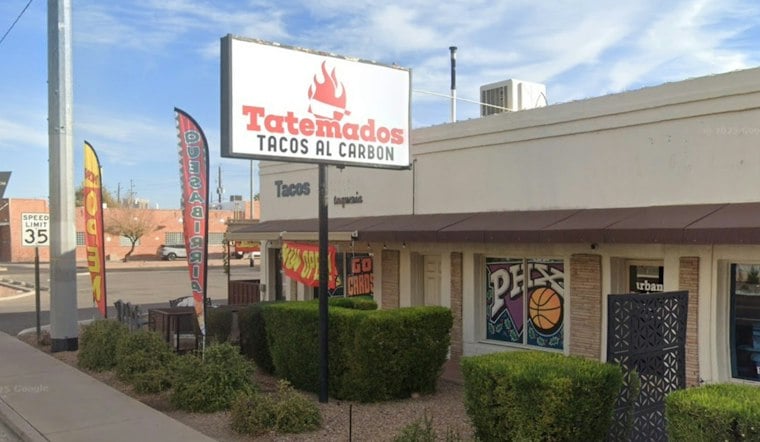
La Hamburguesa, the Phoenix food truck known for smash burgers and beef-tallow fries, now has a permanent address as well as wheels. Chef and owner Hernan-Zeal Rivera has opened a brick-and-mortar restaurant at 2333 N. Seventh St., in the former Tacos Tatemados building at Seventh and Sheridan streets.
The truck began serving scratch-made burgers more than two years ago, with a menu inspired by Rivera’s trip to Japan, according to Phoenix New Times. It built a following at venues including Sana Sana, Wren House, Tipsy Cactus and Greenwood. A separate azcentral.com report describes its Wagyu double smash burgers made with Bonafide Beef, shoestring fries double-fried in beef tallow and Japanese milk bread buns from Chaconne Patisserie.
The Seventh Street restaurant is serving customers during an extended soft opening. Renovations and a redesign are planned for later this year, according to the station’s report, with Rivera targeting an official grand opening in early 2027. The current opening is a first step; the larger changes are still to come.
A Storefront, Without Leaving the Road Behind
The storefront came through a lease opportunity rather than a planned departure from the truck. The owners of Tacos Tatemados approached Rivera this summer as they prepared to close and leave Phoenix, according to the same account. La Hamburguesa’s team took over the space roughly two months before the news broke. Rivera’s family will continue operating the other Tacos Tatemados location, at 59th Avenue and Thomas Road.
Rivera plans to keep the truck in the business: it will remain parked at the restaurant while the interior is improved, then continue to appear at special-occasion pop-ups around the Valley. The red-and-white motifs associated with the truck are also expected to be redesigned for the restaurant, per Rivera’s reported plans.
Menu Additions and a Planned Bar
Rivera told the outlet that the larger space will allow La Hamburguesa to expand its menu. One planned permanent addition is steak frites: grilled Bonafide Beef bavette with beef-tallow fries, green hatch molcajete salsa and garlic aioli. The salsa came out of a collaboration with Alita chef Antonio Padilla. Rivera has also worked with Chilte chef Lawrence “LT” Smith on a steak sando.
The expansion is planned alongside the truck’s established burgers. The Signature comes with grilled onions, homemade pickles and signature sauce; Viva Mexico pairs Anaheim chile, jalapeños, garlic aioli, pepperjack cheese and chiltepin. La Hamburguesa makes its sauces and sides in-house, and its burgers draw on locally sourced ingredients and Rivera’s Mexican heritage and Sonoran flavors.
Rivera has also outlined plans for cocktails and desserts, including Basque cheesecake. He is in the final stages of acquiring a liquor license and plans to work with Arizona natural winemaker Cactus Cru, with beer from Sana Sana and Wren House. Rivera said customers have been excited to see the truck establish a permanent address. He has also floated the possibility of opening other concepts in the future, potentially in another state.
A Truck-to-Storefront Choice, Not a Universal Destination
La Hamburguesa’s move comes as Phoenix’s mobile-food businesses navigate changing conditions. The city’s modern food-truck wave began taking shape around 2010, as entrepreneurs sought alternatives to traditional kitchen jobs, KJZZ reported. The pandemic canceled festivals that had drawn crowds to trucks; neighborhood gatherings later helped bring diners back to the format. In March 2025, restaurant consultant and food-festival producer David Tyda described a possible bubble, saying, “I think we're in a bit of a bubble,” as more trucks competed for customers. He also cautioned that a storefront is not every operator’s goal: “I don’t think it’s the goal. I think it depends on your business model and what you’re looking for,” according to KJZZ.
Other Phoenix operators illustrate different ways of building a business around a truck. KJZZ reported that Tacos Don Hector found a permanent home on Grand Avenue, with picnic tables, heaters and misters, while Don Fito’s and Taco Bros operate as many as six or seven trucks—and possibly up to ten—using brick-and-mortar Don Fito’s locations as commissaries. La Hamburguesa’s new restaurant gives its menu a fixed kitchen and address, while Rivera plans to keep the truck available for pop-ups around the Valley.
The Truck Has Separate County Requirements
A storefront does not by itself end a mobile food vehicle’s county obligations. Maricopa County Environmental Services Department’s commissary agreement says each mobile-food vehicle must operate from an approved commissary and report there daily for supplies, cleaning and servicing. For Mobile Food Type I establishments, the department’s code says permits are issued to the vehicle or receptacle used to transport food and beverages. These mobile-food rules do not establish La Hamburguesa’s specific permit status or spell out the requirements for its fixed restaurant.




