

























































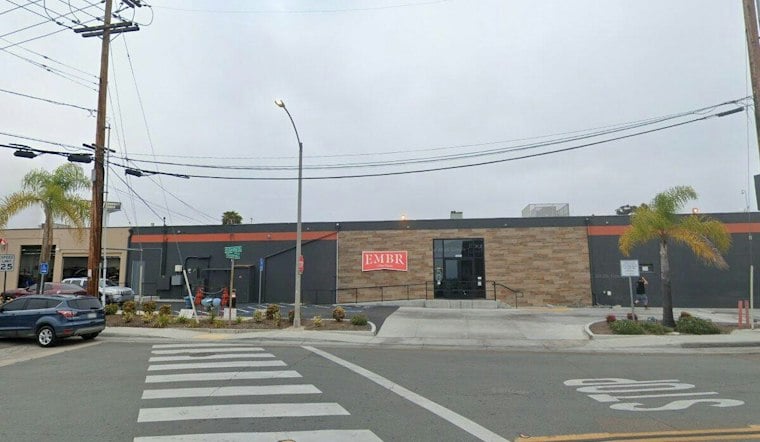
La Mesa's city council voted 4-1 this week to raise the city's retail cannabis business tax from 4% to 5%, a move officials say could generate over $750,000 in additional annual revenue even as the East County city keeps one of the lowest cannabis tax rates in San Diego County. The vote on Tuesday came as La Mesa has hit its zoning cap on dispensaries, with 14 legally operating cannabis retailers giving it the highest concentration of licensed shops anywhere in East County.
As reported by the San Diego Union-Tribune, the one percentage-point hike would bring La Mesa's rate to 5%, in line with neighboring Lemon Grove and Oceanside, while still trailing Chula Vista, Encinitas, and Vista at 7%, San Diego at 10%, and exceeding the 2% rate levied on cannabis businesses in unincorporated San Diego County, according to the Times of San Diego.
Council Frames the Hike as Fiscal Diversification
Vice Mayor Lauren Cazares said the modest increase would diversify city funds and allow more spending on public services, framing the move as a more balanced and nuanced approach to the city's cannabis policy. City leaders cited the potential revenue boost as a rationale, as the city has reached its cap on dispensary locations.
Cazares also pointed to a separate council decision from April, when leaders approved a proposal allowing cannabis retailers to identify themselves as dispensaries in their signage. She argued that the increased foot traffic expected from that signage change would greatly outpace the costs businesses face under the proposed tax increase.
One Council Member Pushes Back
Council member Laura Lothian cast the lone dissenting vote, saying she opposed the increase because the issue was about business, not cannabis itself.
That competitive advantage has long been a selling point for local operators. The owner of The Grove, which opened in July 2018 as La Mesa's first legal medical cannabis dispensary, told the Times of San Diego that local storefronts actively advertise the city's low tax rate to draw customers from surrounding East County and San Diego communities.
A Broader Pattern of Rising Cannabis Taxes
The City of San Diego offers a cautionary note: when that city raised its cannabis business tax from 8% to 10%, financial reports released in December revealed the hike generated $19.7 million — about $1.5 million below budget projections — due to persistent competition from illegal operators and falling wholesale prices, according to KPBS.
Attorney Kimberly Simms has warned that higher regulated-market prices can push consumers toward the illicit market, a dynamic underscored by statewide estimates from the California Department of Cannabis Control reported in July, which found only about 40% of all cannabis consumed across California in 2024 was purchased through licensed, legal channels, per the Times of San Diego.
Stacking State and Local Levies
The Times of San Diego has reported that combined taxes on retail cannabis in the City of San Diego exceeded 30%. The Times of San Diego reports that the state walked back a 4% tax increase that could have brought the excise tax to 19%.
County voters passed Measure A in November 2022.
How La Mesa Got Here
La Mesa legalized cannabis commerce.
During public testimony ahead of the vote, the sole public commenter, Becky Rapp, urged city leaders to direct any additional cannabis tax receipts toward law enforcement operations targeting unlicensed dispensaries and toward youth substance abuse prevention programs, the Times of San Diego reports. The city's cannabis tax revenue currently flows into La Mesa's general fund rather than being earmarked for specific programs, and Cazares has said the tax increase is meant in part to help stabilize general fund revenues strained by cooling sales tax collections amid broader affordability pressures.





