

























































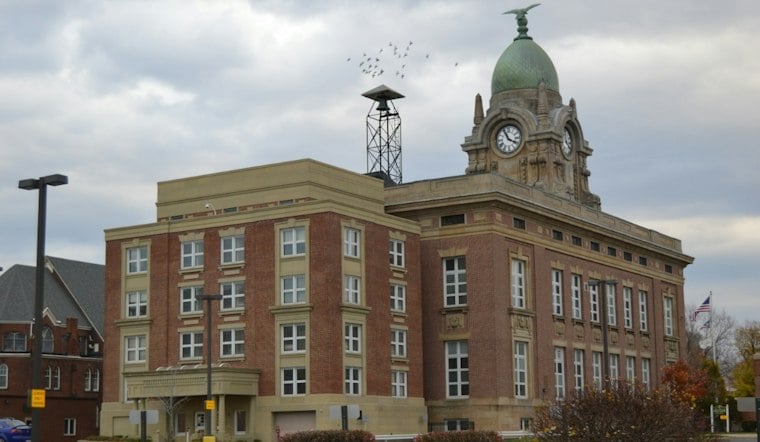
A county-by-county study of overdose deaths ranked Lake County, Ohio, first among 550 counties for its decline: deaths fell 75.2% there since 2020. At the height of the opioid crisis, the county recorded 90 to 100 overdose deaths a year. The figures show the scale of the change; they do not, on their own, identify what caused it.
Addiction Recovery Guide’s study examined CDC records covering more than 630,000 deaths nationwide, according to News 5 Cleveland. The study also found Ohio's statewide overdose death rate dropped 53.2% since 2020, the largest decline of any state. Lake County Sheriff Frank Leonbruno highlighted the county finding in a Facebook post.
A Coordinated Local Response Takes Shape
Since 2020, the Lake County Narcotics Agency has rolled out programs aimed at connecting drug-dependent residents with recovery providers, including an initiative called Project Connect, the station's report notes. The agency also partners with the sheriff's office, the ADAMHS board and service providers on what officials describe as a quick reaction team that responds after an overdose occurs.
That Quick Response Team pairs law enforcement with fire and EMT personnel and the county's behavioral health system, according to the Lake County ADAMHS Board. After someone receives medical treatment for an overdose, the team typically sends out law enforcement, an EMT and a treatment-resources expert to offer the person information and access to local recovery services.
Naloxone and Peer Support Numbers Climb
Lake County distributed 1,293 naloxone kits throughout the community during its 2023–2025 Community Assessment and Plan period, surpassing the board's original goal of 1,200, per cleveland.com. The same reporting period saw 35 peer supporters trained, including 17 in 2025 alone, as the ADAMHS board reported progress in overdose prevention, peer support workforce development and child safety.
The board also produces a Suicide & Overdose Fatality Report that draws on 10 years of data to guide local strategies for improving access to care and reducing stigma, the ADAMHS Board says. The Lake County General Health District separately tracks the issue through a monthly report on emergency room and urgent care visits by county residents for suspected accidental drug overdose or poisoning, while the Ohio Department of Health maintains an interactive dashboard with county-level maps and overdose trends, both noted by the Lake County General Health District.
What local program records document
For the 2023–2025 assessment period, Cleveland.com reported, the county distributed 1,293 naloxone kits, trained 35 peer supporters—including 17 in 2025—and screened 101 pregnant women and mothers. Of those screened, 24 were admitted for residential treatment, below the goal of 50; officials cited housing, childcare and transportation barriers. These figures document program reach and a treatment-access gap alongside the post-overdose response model described above.
One Resident's Path Through Recovery
Behind the statistics are individual stories of recovery. Lake County resident Angela Julian has been sober since September 17, 2024, and credits Lake-Geauga Recovery Centers with helping her stay that way, News 5 Cleveland reported.
A Statewide Pattern With Nearby Parallels
Lake County's decline is dramatic, but it is not isolated within Ohio. Medina County saw overdose deaths fall from a peak of 42 in 2017 to just 8 in 2025, a decline of nearly 80%, according to Ideastream Public Media. Local leaders there point in part to the county's Addiction and Recovery Coalition, formed in 2017, which brings together law enforcement, schools, recovery centers and faith communities.
Statewide, Ohio's overdose death rate fell from roughly 70 to 27 deaths per 100,000 people between 2021 and 2025, Ideastream reported. The outlet also noted that more than 150 Project DAWN naloxone-distribution programs were active across nearly every Ohio county as of August, with the program distributing close to 300,000 naloxone kits and logging more than 20,000 overdose reversals in 2023.
Federal data suggests the downward trend extends beyond Ohio. Provisional CDC figures estimated 69,973 U.S. drug overdose deaths during 2025, a decrease of almost 14% from the 81,313 deaths estimated in 2024, according to the CDC. The agency cautions that provisional counts can differ from final figures and are subject to change as more data comes in.
Back in Lake County, officials describe the progress as the product of a collective effort rather than any single program. Lake County has made a collective effort, with education, treatment, federal and local funding, and law enforcement working together, the county told News 5 Cleveland — a collaboration Sheriff Leonbruno's Facebook post framed simply as proof that it works.





