

























































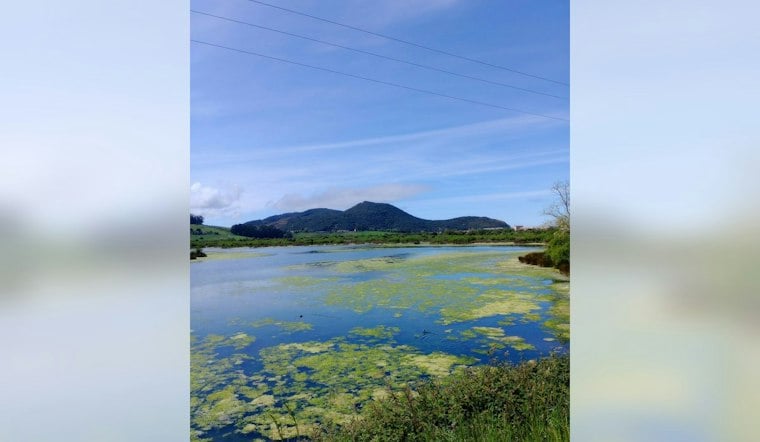
Seminole County health officials are warning residents and visitors to avoid contact with Lake Howell water where a visible bloom is present, after raising concerns about harmful blue-green algae toxins in the water. The Florida Department of Health in Seminole County, known as DOH-Seminole, says water sample testing is underway, and officials caution that the algae has the potential to produce toxins that could pose a risk to people, pets and the lake's ecosystem.
According to WDBO, DOH-Seminole says it cautions the public about the presence of harmful blue-green algae toxins in Lake Howell, even as the same report notes that with water sample testing underway, blue-green algae have the potential to produce toxins. The two descriptions leave some ambiguity about whether toxins have been confirmed in this round of testing or whether officials are flagging the possibility while results are pending. Either way, people should avoid contact with water where a visible bloom is present.
What Officials Are Telling Residents to Avoid
Blue-green algae is a type of bacteria common in Florida's freshwater environments, and it can produce toxins harmful to humans, pets and ecosystems, including fish and other aquatic animals, according to WFTV. An algae bloom occurs when rapid algae growth accumulates individual cells, discoloring the water and often forming floating mats with unpleasant odors, the station reports. Those blooms can appear as scum, foam or paint on the water's surface in a range of colors, making them visually distinct from normal lake conditions.
Officials are advising residents and visitors not to drink, swim, wade, use personal watercraft or otherwise come into contact with waters where a visible bloom is present, per WDBO's reporting. Pets and livestock should avoid contact with the area's water when blooms are present and use an alternative water source instead, the station notes. Anyone who does come into contact with algae or with discolored or unpleasant-smelling water should wash their skin and clothing with soap and water afterward, per the same report.
Health Risks and Who's Most Vulnerable
Sensitive individuals, including children, elderly people and immunocompromised people, may be at risk even at low toxin concentrations, and DOH-Seminole recommends they avoid any exposure to blue-green algae altogether. The health department also warns that people should not use water contaminated by algae blooms for cooking or dishwashing, and that boiling does not eliminate toxins in algae-contaminated water. Shellfish from waters experiencing algae blooms should not be eaten, officials say.
Fish are treated a bit differently in the guidance. Healthy fish caught in freshwater lakes with blooms can still be eaten, per DOH-Seminole, but fillets should be rinsed with tap or bottled water, with the guts discarded and the meat cooked thoroughly before consumption. The department notes that environmental conditions can change at any time, meaning a lake that looks clear one day could develop a visible bloom the next.
Context From Past Alerts and State Monitoring
This is not the first time Lake Howell has drawn a health alert over blue-green algae. A prior alert, dated September 29, 2026, also flagged harmful blue-green algae toxins detected in the lake, according to a WFTV report. Separately, Florida's health department had issued an earlier Lake Howell alert in response to a water sample taken on October 23, 2024, according to the Florida Department of Health in Seminole County.
Statewide, the Florida Department of Environmental Protection reported 17 site visits and 17 samples collected over a recent Oct. 24 to Oct. 30 reporting window, with algal bloom conditions observed by samplers at five of those sites. The agency maintains an Algal Bloom Dashboard where it posts its weekly bloom reports for waterways across the state. Residents with health questions or concerns about blue-green algae in Lake Howell can call DOH-Seminole at 407-665-3604.



