

























































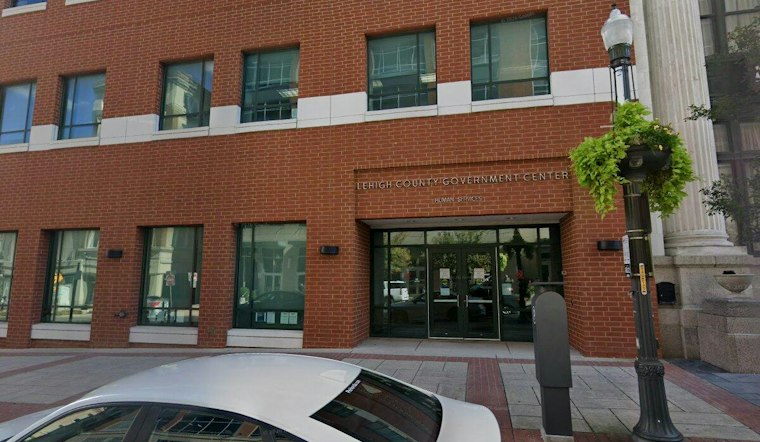
Lehigh County voters head to the polls Tuesday to decide whether their county election board should grow from three voting members to five — and, in a move no other Pennsylvania county has made, carve out a seat specifically for independent and third-party voters. The referendum would reshape how the Election and Registration Commission is built, shifting it away from a strictly two-party structure for the first time.
The current commission consists of the county executive or a designee, plus two board-appointed members — one from each of the two largest political parties, according to the Lehigh County ballot referendum plain-language document. Lehigh County Executive Josh Siegel has said the proposed change would give the county's third-largest party a seat on the board, as reported by WFMZ.
How the New Five-Seat Board Would Work
If approved, the commission would expand to five voting seats, allocated two each to the county's two largest political affiliations and one to the third largest, per the county's proposed charter language filed with the Board of Commissioners. The fifth seat is explicitly intended to represent the third-largest political affiliation, including non-affiliated or independent voters, the county's plain-language ballot document states. Under the proposal, Republicans and Democrats would each be able to nominate one election board member, while the county's board of commissioners would select the remaining three members, per WFMZ's reporting.
The proposed rules would also require appointees to have maintained the same party affiliation, or no-party affiliation, for two years before appointment — a provision that would exclude recent party-switchers, according to WFMZ. The appointment process would additionally include an open application process, with the board publicly posting commission seats rather than relying solely on party-chair nominations. If the referendum passes, Lehigh County would begin accepting applications for board seats by the end of November, and officials would hold a public hearing for residents to weigh in on finalists, per WFMZ's reporting.
The County Executive Would Lose Voting Power
Perhaps the most structural change: if voters approve the measure, the county executive would no longer be a voting member of the election board, instead serving as an ex-officio, non-voting participant, according to the proposed charter document filed with the county. Commissioner Sarah Fevig, who initiated the referendum, said the board is intended to be trusted regardless of who holds power in the future, according to WFMZ's reporting. County commissioners passed the underlying legislation by an 8-1 vote in May, as reported by Lehigh Valley Public Media.
Commissioner Shiela Alvarado cast the lone vote against advancing the referendum. She said she believed an unchanged board did not need fixing and that there have been no issues with the current election board, according to WFMZ. Alvarado has said she will support whatever voters decide on Tuesday.
A Growing Bloc of Unaffiliated Voters
The push for a third seat reflects a broader shift in how Lehigh County residents register to vote. Voters outside the Democratic and Republican parties now make up one in five Lehigh County voters, compared with roughly 11% in 1998, according to The Morning Call. Nearly 49,982 Lehigh County voters are unaffiliated with the major parties — almost 19.6% of all registered voters — with that number growing 8.2% in the past year, per a report from LehighValleyNews.com.
That trend extends statewide and nationally. Pennsylvania now counts more than 1.4 million voters registered with a third party or no party at all, LehighValleyNews.com reported. Nationally, a Gallup poll cited by Lehigh Valley Public Media found that 45% of Americans now identify as politically independent, a record high. The Morning Call noted that reserving an election-board seat for independent or third-party voters would be something no other Pennsylvania county has done.
Conflicting Signals on When Changes Would Begin
Even as the vote approaches, county documents disagree on timing. The county's plain-language ballot explainer states the change would take effect immediately if approved, while the proposed charter document filed with the Board of Commissioners identifies 2027 as the implementation year for the revised commission. Neither document resolves which timeline would ultimately govern if voters say yes on Tuesday.



