

























































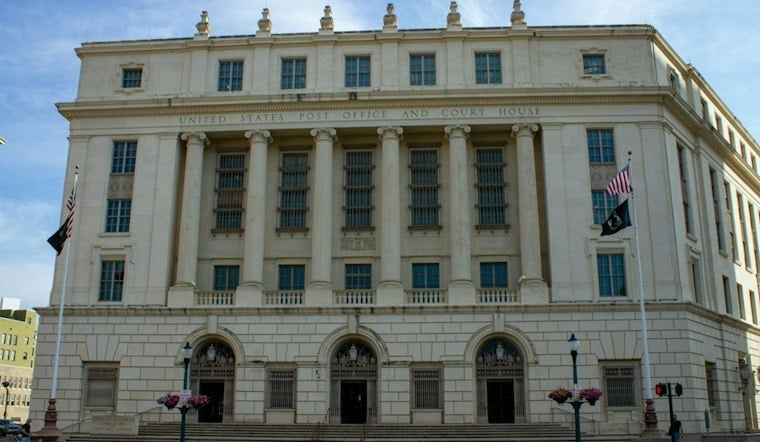
An insurance fight over who pays for sickened countertop workers has landed in federal court in Austin, where Liberty Insurance Corp. is asking a judge to declare it has no duty to defend or compensate two Texas stone-surface companies facing silicosis lawsuits. The companies, Wilsonart International Holdings LLC and Architectural Surfaces Group LLC, were insured by Liberty under commercial general liability and umbrella liability policies, but the insurer says exclusions for bodily injury from silica exposure let it off the hook.
Wilsonart, based in Austin, and Architectural Surfaces Group, based in Spicewood, have both been named in a wave of silicosis-related personal injury lawsuits filed by fabrication workers. As reported by the Austin American-Statesman, Liberty filed lawsuits against its own client companies over more than 100 of those silicosis-related injury cases, after the companies had asked Liberty to represent them in several dozen of the underlying lawsuits. Liberty denied coverage, citing the policy exclusions, and is now seeking a declaratory judgment in federal court that it owes the companies nothing.
According to Bloomberg Law, the latest coverage suits target Wilsonart LLC—not Wilsonart International Holdings LLC—and Architectural Surfaces Group LLC, each facing more than 100 cases alleging workers developed silicosis and other diseases after inhaling silica dust, with Liberty arguing the silica exclusions in the policies preclude coverage altogether. Business Insurance reports both cases were filed in the U.S. District Court for the Western District of Texas and together cite a total of 230 cases involving fabricators who contracted silicosis after inhaling silica dust while cutting countertops.
Policy Details and a Disputed Denial Letter
Per litigationsentinel.com, Liberty's complaint against Wilsonart relies on a silica exclusion found in four primary policies and four umbrella policies covering periods running from October 31, 2021, through October 31, 2025. The same report notes Liberty says it denied coverage for the underlying California lawsuit by letter dated October 29, 2025, and that the Texas court had issued no ruling on the coverage dispute as of early October.
Court filings cited by the Statesman allege that lawyers for an injured worker accused Architectural Surfaces of delaying warnings on its countertops and website and of using misleading labels. A warning cited in one lawsuit was described as a prescription for silicosis, according to the same filings. Neither Wilsonart nor Architectural Surfaces Group responded to requests for comment, the Statesman reported. Architectural Surfaces continues to sell Pentalquartz-branded products, which have historically contained high levels of silica, per the company's own website.
A Disease With No Effective Treatment
Silicosis is a progressive, incurable fibrotic lung disease caused by inhaling respirable crystalline silica, according to a study published in NEJM Evidence. Engineered-stone slabs used for kitchen and bathroom countertops typically contain more than 90% crystalline silica, and workers can be exposed while cutting, grinding and polishing the material, the study notes. Per JAMA Internal Medicine, as cited by the Statesman, silicosis has no effective treatment and causes irreversible lung tissue damage that can be potentially fatal.
Texas identified its first countertop-related silicosis case in 2014, in a 37-year-old fabricator who had worked in the field for 10 years, the Statesman reported, and the state discovered a cluster of 12 additional cases in 2019. Estimates reach as high as an unspecified large number of workers who may have been exposed to engineered-stone silica nationwide, according to the same report, and personal injury lawsuits over countertop silicosis have been filed nationwide since 2022. Silicosis lawsuits have already resulted in tens of millions of dollars paid to workers and surviving family members, the Statesman noted, and juries have awarded verdicts worth $47 million, $17.45 million and $7.1 million since May, according to Business Insurance.
California's Numbers Keep Climbing
The outbreak is most visible in California, though the exact scale depends on which agency's count you use. NEJM Evidence reports the California Department of Public Health identified 592 cases of silicosis among engineered-stone fabrication workers from January 2019 through June 2026, with 65 of those workers undergoing lung transplantation and 31 dying. The Statesman separately cited a figure of 662 engineered-stone silicosis cases identified in California since 2019, including 35 deaths.
Other outlets report different snapshots of the same crisis. The KCRA report found California's public silicosis dashboard showing 631 cases and 35 deaths as of the date it checked, while the Los Angeles Times reported the state health agency had identified 32 workers who died of the disease since 2019, with a median diagnosis age of 46 and a median age at death of 52 — figures that echo the Statesman's own reporting on diagnoses and deaths concentrated in middle age. The Los Angeles Times also reported that reported cases jumped from 47 between 2019 and 2022 to 571 from 2023 through August 2026. Latino laborers predominate among California's engineered-stone silicosis cases, the Statesman reported, and diagnoses often occur in middle age.
Regulators Respond as the Industry Keeps Selling
In 2024, Cal/OSHA inspected just 85 of California's more than 1,300 countertop fabrication shops, and 95% of those inspected were found in violation of safety regulations, according to NEJM Evidence. California adopted emergency silica regulations in 2023, and Senate Bill 20 later codified and expanded silicosis-surveillance responsibilities, the same study found. In late May 2026, the state's Occupational Safety and Health Standards Board approved a petition and began steps toward emergency regulations to prohibit fabrication of engineered stone and similar products. California is reportedly considering further limitations on engineered stone, according to the Statesman.
Australia banned engineered stone in 2024, per NEJM Evidence; the Statesman described this as Australia banning some versions of engineered stone. Despite the mounting health toll, engineered quartz countertops remain in strong demand, with the industry valued at tens of billions of dollars, per EconMarketResearch as cited by the Statesman.
Liberty's Fight Extends Well Beyond Texas
The Austin case is not an isolated dispute. Liberty Mutual Fire Insurance Company and Liberty Insurance Corporation filed a similar complaint in August 2025 in the Central District of California, seeking a declaration that they were not required to defend or indemnify LX Hausys America in more than 100 silica-exposure lawsuits, according to Insurance Business.
Other insurers are waging comparable battles. Colony Insurance Company has a coverage dispute involving more than 500 claims against Architectural Surfaces Group tied to its distribution of artificial-stone products, while Travelers has argued that silica exclusions barred coverage in a separate coverage case. Business Insurance also noted that the hundreds of underlying silicosis cases have prompted soaring insurance rates across the stonemaking industry — a cost pressure now playing out in the Austin courtroom as Liberty tries to draw a hard line around what its policies will and will not cover.





