

























































Southwest Licking Local School District and West Licking Joint Fire District say developer tax incentives are quietly draining millions of dollars from their budgets every year, and they want local elected officials to stop handing out new ones. In a joint letter sent to township and city leaders in early October, both organizations said they are losing millions annually in funding because of tax breaks given to developers.
According to NBC4 WCMH-TV, the West Licking Joint Fire District lost $7.1 million last year to tax abatements and other developer incentives. Southwest Licking School District Treasurer Richard Jones put his district's net annual loss from the same incentives at about $4 million. The letter was sent to the Etna and Harrison township boards of trustees and the Pataskala City Council.
Jones said the money matters because his district is growing fast and needs the revenue for new buildings and students, while the fire department needs it to cover emergency runs and equipment. “We need the money to pay for these new schools, new kids,” Jones said. The two organizations said they will honor previously approved agreements but do not support signing off on any more incentives going forward.
Districts Want a Seat at the Table Earlier
Jones said the districts are not opposed to growth itself. “We have been supportive of bringing more commercial, industrial in,” he said, but he argued developers need to pay their fair share rather than lean on abatements that shift the cost onto schools and emergency services. The joint letter also asked to be brought into future incentive discussions earlier, before deals are finalized.
Cameron Garczyk, who leads Grow Licking County, the county's economic development organization, said his group already tries to involve affected parties from the start of project talks with companies or developers. “We try to get those folks at the table at the very start,” Garczyk said. He added that an abatement, while it forgoes potential revenue, can sometimes be the difference in landing a project that would not otherwise happen.
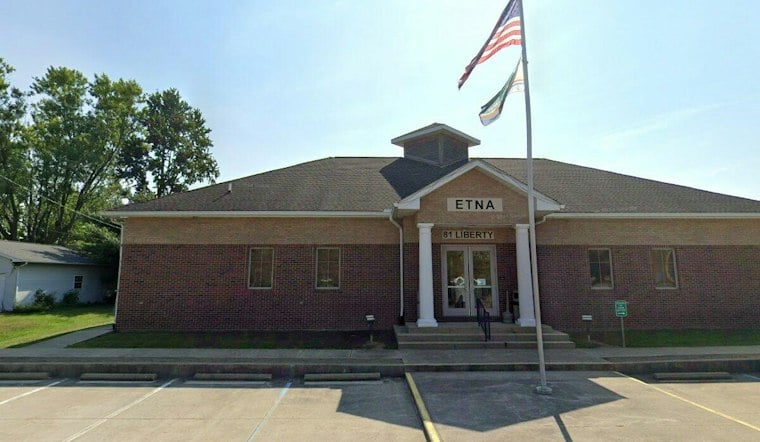
Etna Township Trustee Rachel Zelazny said, per a social media post cited by the station's report, that she had invited both the school and fire districts to participate in discussions and that economic development does not happen in a bubble. Zelazny put the two districts' combined annual losses to tax abatements, TIFs and community reinvestment areas at approximately $12.9 million, and said the forgone funds would otherwise support services residents depend on. She said she supports Etna's growth but believes it has to make financial sense.
A Statewide Pattern Behind the Local Fight
Jones said state-level changes have been the biggest challenge to school funding in recent years, and that developer incentives only add to that strain. The dispute in Licking County mirrors a broader trend playing out across Ohio: tax increment financing, or TIFs, are now the fastest-growing and largest form of property-tax abatement in the state, with more than $10 billion worth of property sitting inside these specialty tax zones, according to cleveland.com. A review of more than 30 studies cited by that outlet found mixed results for TIFs nationally, with economist David Merriman concluding that in most cases the tool has not accomplished its goal of promoting economic development.
Schools are often excluded from TIF districts specifically, but cleveland.com notes that other entities, including county governments, social-service agencies, park districts, libraries and community colleges, are not shielded from the effects of diverted tax revenue. Property taxes remain a key component of local education funding in Ohio, as Axios has reported, which is part of why abatement decisions carry such weight for districts like Southwest Licking.
Other Licking County Governments Have Pushed Back Too
Southwest Licking and West Licking are not the first local government bodies in the area to try to assert more control over incentive deals. Jersey Township trustees unanimously approved creating a community reinvestment area in March 2023 specifically to ensure the township would have a say in future tax abatements, according to the Newark Advocate. With that program in place, the township gained the ability to negotiate how much of an abatement is granted, or to deny one outright.
The newspaper has also detailed how incentive deals actually play out locally. In July 2024, Pataskala City Council approved two Red Rock Developments warehouses on Etna Parkway, granting each a 100% property-tax abatement for 15 years. Each of the proposed buildings was expected to measure 225,120 square feet and stand 46 feet high, with Red Rock estimating about 90 jobs and roughly $4 million in payroll per building. As part of that deal, Southwest Licking secured an agreement requiring Red Rock to make semiannual payments equal to 12% of the property-tax revenue the district would otherwise have received, plus up to $10,000 for legal fees. Revenue from Pataskala's joint economic development district, which also touches West Licking Joint Fire District, is similarly divided among multiple schools, fire agencies and local governments.
Ballot Measure Adds Urgency to the Funding Fight
The timing of the districts' letter lands just as Southwest Licking asks voters to approve new local taxes. Central Ohio voters will decide this Tuesday on a replacement income tax and an $80.7 million bond for a new school serving grades 5 and 6. The proposed income tax replacement would raise the district's rate from 0.75% to 2% beginning Jan. 1, 2027, while continuing to exclude retirement and investment income, per NBC4's separate election coverage.
District officials project that without new revenue, Southwest Licking faces a budget deficit of about $5.5 million in fiscal year 2029, growing to roughly $21 million the following year. That financial pressure tracks with the district's rapid growth: enrollment has climbed to more than 5,200 students, up from just under 4,000 in the 2015-16 school year. For a district already warning that developer incentives are costing it millions annually, the outcome of Tuesday's vote could shape how much room Southwest Licking has left to absorb further losses.





